Flare-ups, hot spots and grease fires
A flare-up is fat meeting flame. A hot spot is uneven fire. A grease fire is a tray or tamer that has become fuel. They are related, and they are not fixed with a spray bottle of water.
Mina Rahman, Technique editor · 28 June 2026 · 7 min read · 1,554 words
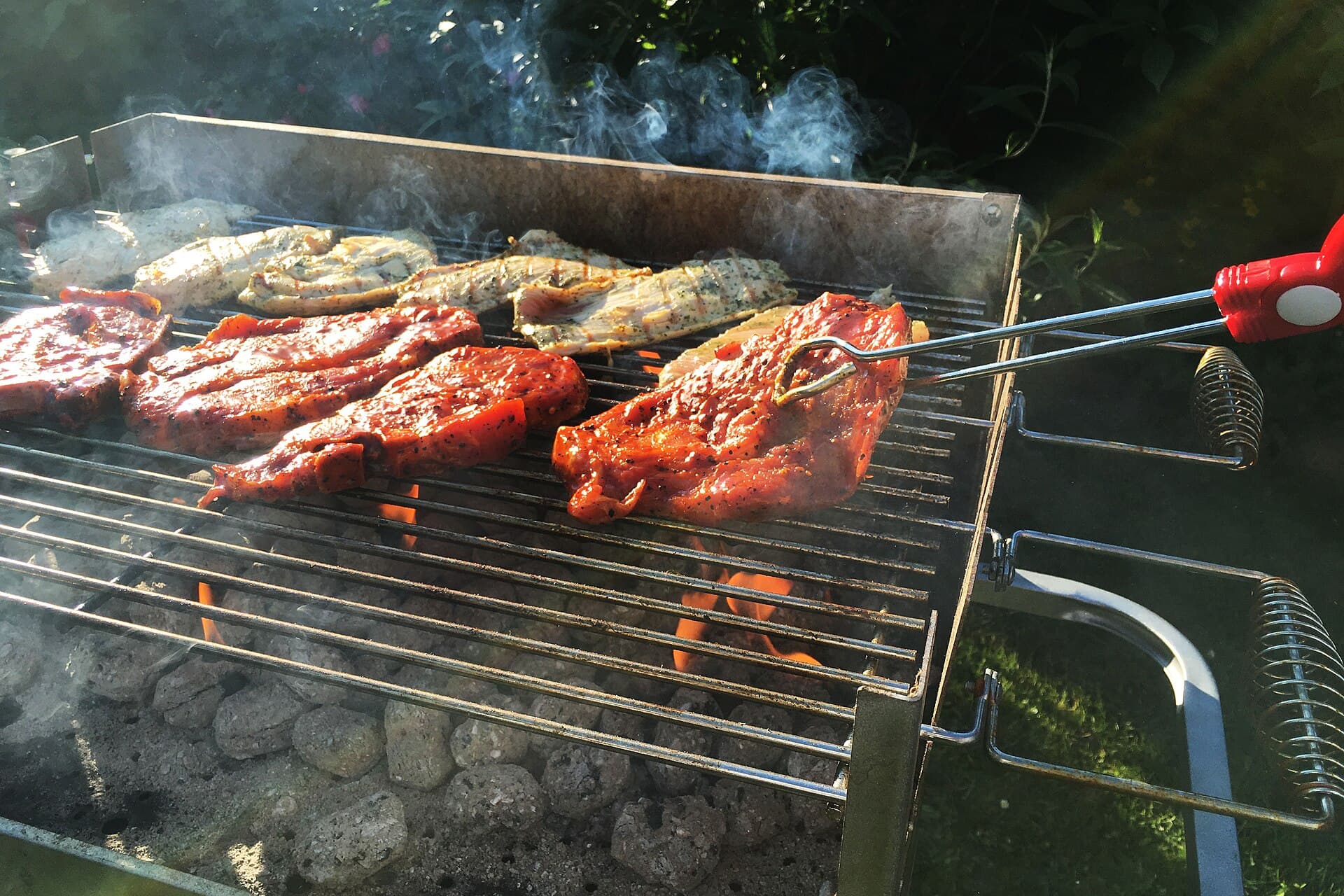
Photo: Meat cooking on a barbecue by elbpresse.de. CC BY-SA 4.0. Source: Wikimedia Commons. See image credits.

Three things get lumped together at a backyard cook and they are not the same job. A flare-up is a brief flame on the food because fat hit something hotter than it can stand. A hot spot is a patch of grate that always runs hotter than the rest. A grease fire is the appliance itself burning — tray, tamer, a hose of old fat — and it does not care about your steak. Handle them differently: cookcraft, diagnosis, then stop.
Three different problems
A flare-up looks dramatic and is usually over in seconds if you move the food and shut a lid. The food may char on the outside and stay raw in the middle, which is a quality problem. The fence does not care.
A hot spot is quieter. One sausage is ready and the one beside it is pale. One steak has grill marks like a brand and the next is grey. People chase this with sauce and with constant turning. The grate is trying to tell you the fire underneath is uneven.
A grease fire has a different sound and a different colour: a whoomph from below the food, flames that keep coming after you lift the meat, smoke that is acrid rather than kitchen-smoke, and heat at the cabinet or the bottle. That is no longer dinner. That is the tray.
If you only remember one distinction, remember this: flames on the food might be a flare-up; flames under the grate that feed themselves are a fire.
Why flare-ups start
Fat renders. On a clean, hot tamer or on ashed charcoal it mostly vaporises and the rest runs away. On a crowded grill it drips as a liquid and finds a flame. The flame lights the drip. The drip lights the next drip. If the food is sitting in that column, you get a black, bitter coat and a cook who thinks “more heat” is the problem.
Marinades that are mostly oil, sugary glazes applied too early, and meat that was never trimmed will all flare. So will a plate that is tilted toward a burner. So will a cook who presses burgers until they weep into the fire.
Prevention is dull and effective. Trim the thick caps. Shake off marinade. Sugar late. Do not pierce a sausage to “let the fat out” onto the beads. Leave a gap between pieces so fat has a path that is not another piece of meat. Keep a cool zone. The whole logic of indirect versus direct heat exists partly so you have somewhere to put a fatty chop when the flame stands up.
When a flare-up happens, move the food first. Tongs, not a stabbing fork. If you have a hood, close it for a moment to starve the lick of air. Do not spray water on the grate. You will ash the fire, spatter fat, and teach the next drip nothing. A handful of coarse salt on a small flare is an old diner trick; a lid is more reliable.
Then look down. If the tamer is shining with pooled fat, the flare-up is a warning that the tray story is next. Scrape when you can. Empty the tray when it is safe. The cleaning habit in how to clean a gas barbecue is the long-term fix.
Charcoal cooks flare for the same fat reason and for one more: fresh lump that is still flaming, or beads that were doused with starter and not burned clean. Food goes on when the fire is ashed, not when it is pretty. If you need a reminder of that fire, use how to light and control a charcoal grill.
Move the food, shut the lid, and do not throw water at fat.
Finding and using hot spots
Every barbecue has a personality. Gas burners are stronger in the middle or at the back. Charcoal piles are hotter over the mound. Wind shoves flame to the downwind bar. A bent vaporiser bar or a collapsed tamer creates a jet. A spider in a venturi creates a cold stripe next to a hot one.
Map the grate once, on a quiet afternoon, with slices of cheap white bread or with a dry hand held high enough that you are sensing, not scorching. Note the fierce patch and the dull patch. That map is now a tool. Sear on the fierce patch. Finish on the dull one. Park vegetables off the jet. This is how you reverse-sear a steak on a backyard grill that was never even.
Fix what is a fault, not a feature. A blocked burner port is a fault. Clean it. A tamer that has folded is a fault. Replace it. A pile of charcoal all on one side is a choice; spread it or own the two-zone fire. A gas grill that is always savage at the right rear may have a regulator or a blocked jet that wants a technician.
Wind is the hot-spot maker people ignore. An open grill on a corner block will have one bar that is a blowtorch. A hood and a screen on the weather side do more than a fourth burner. If one side of a Heatlie or a long plate runs hotter, believe the food: thick chops on the fierce side, fish on the cool.
If grease ignites
Shut the lid if it will close and if closing it does not put your shirt in the flame. On gas, turn the knobs off if you can reach them without crossing the fire. Then turn the bottle off. The order is reach-what-is-safe, not a drill-sergeant sequence you die to complete. On natural gas, know the isolation in advance. On charcoal, you cannot turn a tray of fat off; you can close the lid and vents and wait, which is why the tray should never have been full.
Keep people back. Pull children and dogs inside. Do not throw water, beer or sand into a cabinet full of burning fat. Water and fat become a fireball of droplets. A fire blanket can help on a contained hob-sized event if you already have one and you know how to put it on. A dry-chemical extinguisher rated for flammable liquids is the tool for a tray fire that has left the box. If the fire is in the cabinet, on the bottle, on the deck, or in the wall cavity, get away and call the fire service.
Lid down, gas off, and a fire that is still growing is no longer a barbecue problem. Leave.
After any tray fire, do not relight to “finish the snags.” The remaining fat is still fuel. Let the appliance go cold. Then take it apart. Bin the tray contents. Inspect the hose, the regulator, the bottle shroud and the cabinet floor. A blistered hose is finished. A warped tray that no longer sits is finished. A firebox with a hole is finished. Cooking on luck is how the second fire finds the weatherboards.
If you are in bushfire season, treat a grease fire as a fire that happened on a bad day. Clear the surrounds, stay with the box until it is cold, and read bushfire-season barbecue safety before you cook again on a declared day.
Prevention that actually works
Empty the tray. That sentence prevents more cabinet fires than any gadget. Line it only if the liner cannot block the drain. Do not cook above a tray you cannot see.
Keep tamers and the underside of plates scraped. The carbon pillow that “seasons” a tamer is not seasoning. It is a wick. Replace collapsed bars. They are cheap.
Do not run every burner on high for an hour to impress guests. Preheat until the grate is ready, then cook at the heat the food wants. A lot of grease fires start at the end of a party, when someone opens the hood on a neglected tray and the leftover fat hits leftover flame.
Give fat a path that is not the burner. A slightly sloped plate that drains to a trap is design. A plate that drains onto an open flame is a flare machine. If you own a combination grill-and-plate, put the fattiest food over the plate and the leanest over the bars, unless you like theatre.
Stay sober enough to turn a knob. The cook who is also the bartender misses the first smell of a tray fire.
On charcoal, do not set a kettle on a timber bench over a plastic tub of beads, and do not leave a cooker “to burn out” against a fence. The care and safety habit is to stay until the fire is actually out.
After a fire
Write down what happened while you still remember. Tray full. Wind. Someone doused a flare with water. That note is how you do not repeat it. Replace what is damaged. A half-melted grease cup is not “still fine.” Check hoses, burners and a soapy-water leak test before the next lighting.
Then cook something small, in daylight, with the tray empty. If it still smells of burnt wiring or gas, stop and get it serviced.
Flare-ups will still happen. Hot spots will still happen. Grease fires are optional. Scrape, empty, leave a cool zone, and keep water away from burning fat. The steak will wait.
Questions readers ask
- Should I throw water on a grease fire?
- No. Water can spread burning fat and turn it into steam and spatters. Shut the gas if you can reach the knob safely, close the lid, and keep people back. If it is beyond the box, use a suitable extinguisher or call for help.
- Why does only one corner of my grill burn food?
- That is a hot spot, usually a blocked burner, a bent tamer, a pile of charcoal, or wind pushing flame to one side. Map it with a bit of bread, then cook around it or fix the cause.
- Are flare-ups a sign I should turn the heat down?
- Sometimes. They are more often a sign that fat is dripping onto a flame or a dirty tamer. Move the food, trim the next piece, and clean the path the fat takes.
- Can I keep cooking after a tray fire?
- Not until the tray is cool, emptied and the box is checked. A second lighting on a lake of fat is how the first fire becomes the second.
Keep reading
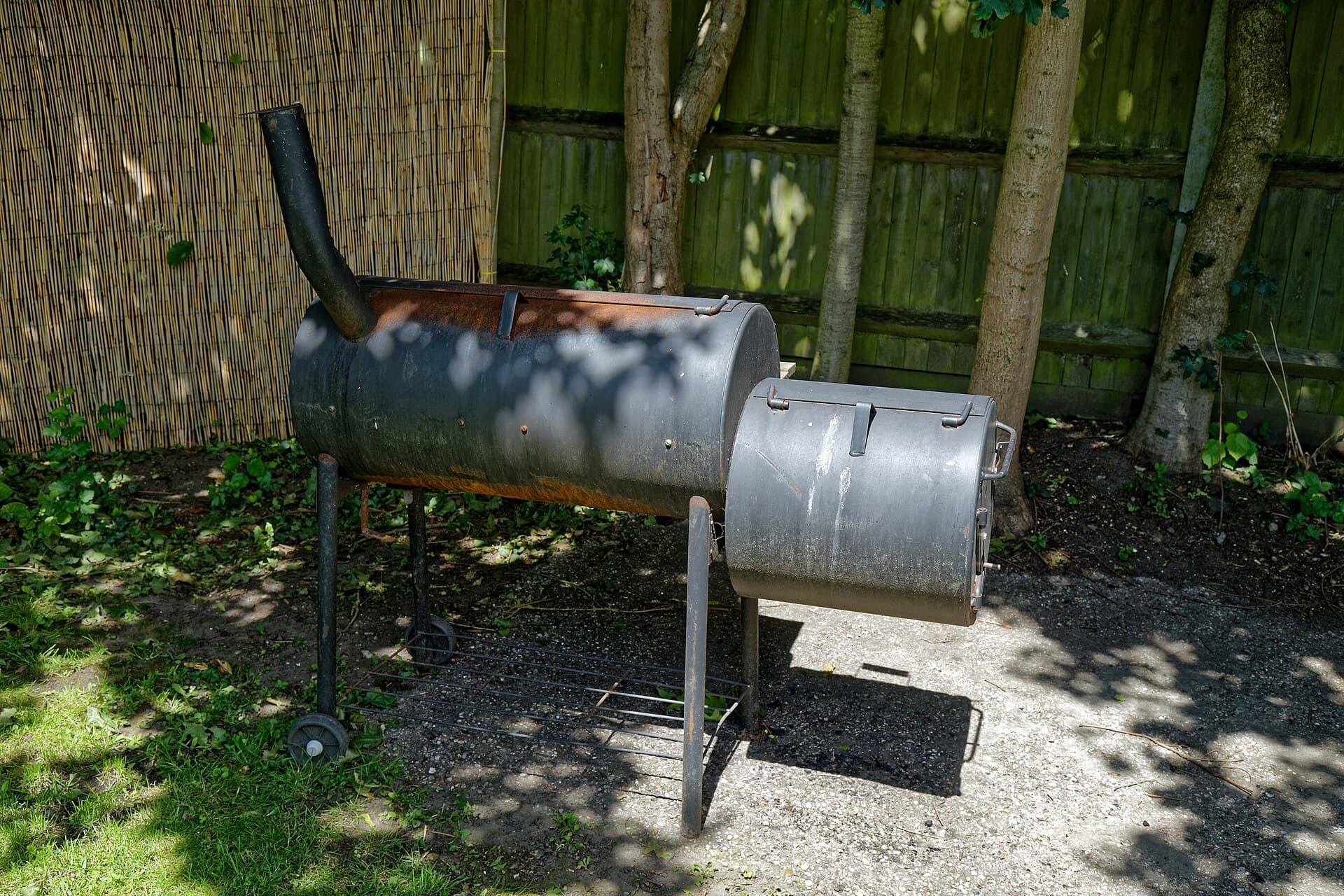
Storing a barbecue through the wet season
The Top End build-up and east-coast summer storms rust a barbecue faster than a winter in Melbourne. Clean it, dry it, keep the cover honest, and do not trap a wet machine in plastic.
Tom Bellear · 6 July 2026
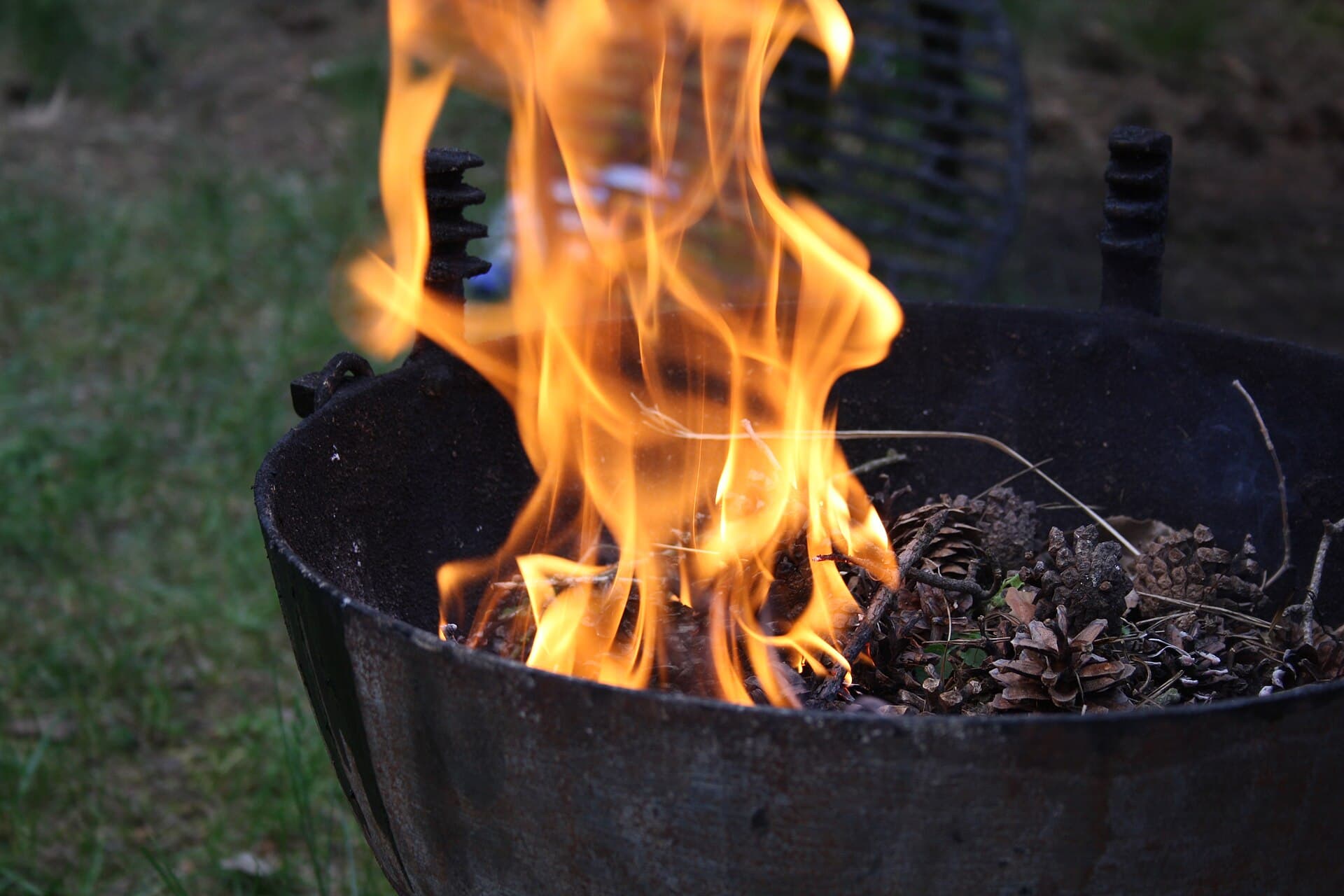
Bushfire season barbecue safety
Total fire bans are local, they change with the day, and a backyard barbecue can be legal, restricted or forbidden. Check the fire service, then decide whether dinner belongs on the grill at all.
Tom Bellear · 20 June 2026
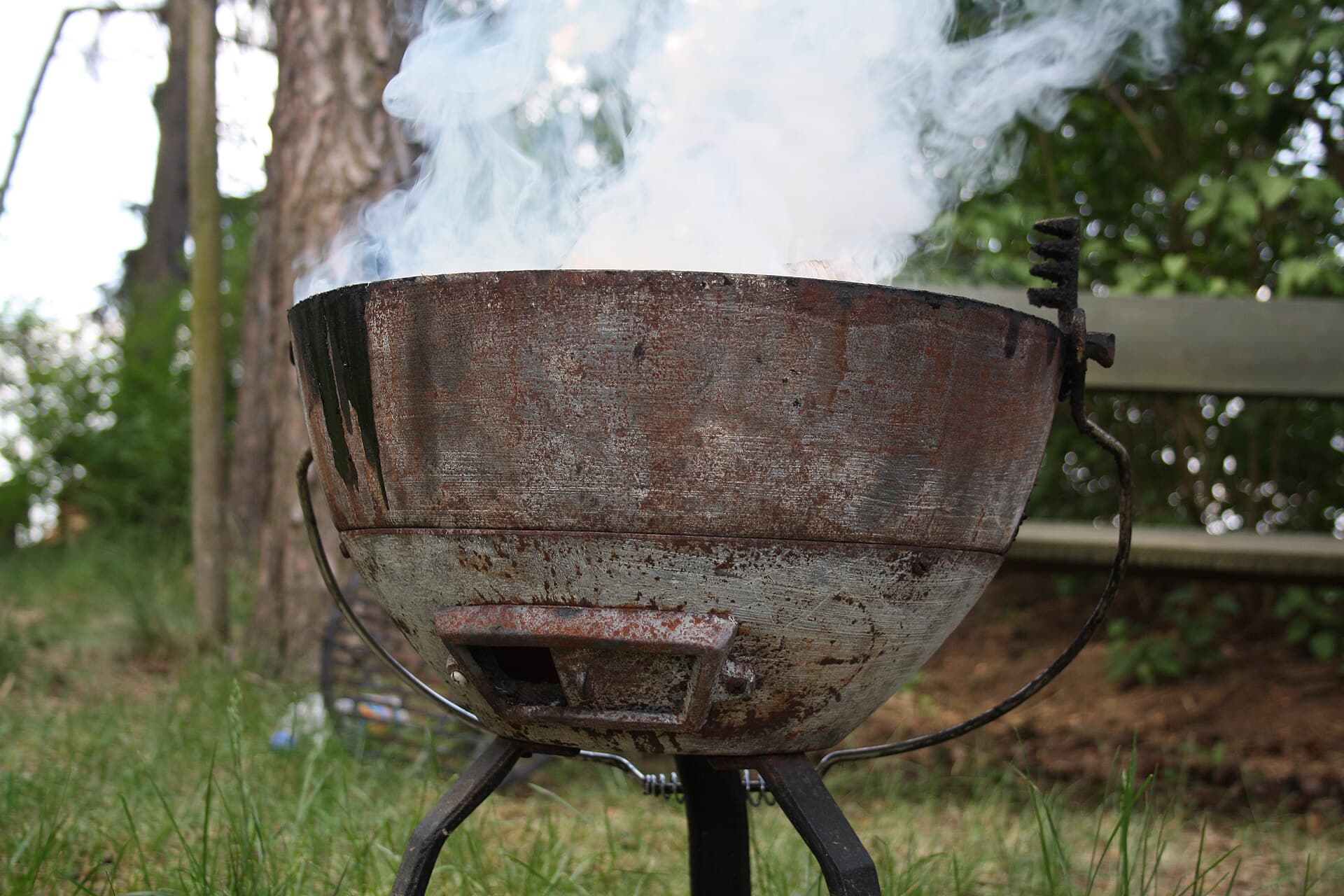
How to season a new barbecue
Seasoning is a thin polymer film on iron, not a flavour and not a wash. Do it once, then keep it with heat, oil and the right kind of cleaning.
Mina Rahman · 12 June 2026