How to light and control a charcoal grill
Light heat beads or lump without a lake of fluid, then run vents and zones so an Australian kettle or kamado holds the heat you asked for.
Mina Rahman, Technique editor · 10 April 2026 · 6 min read · 1,472 words
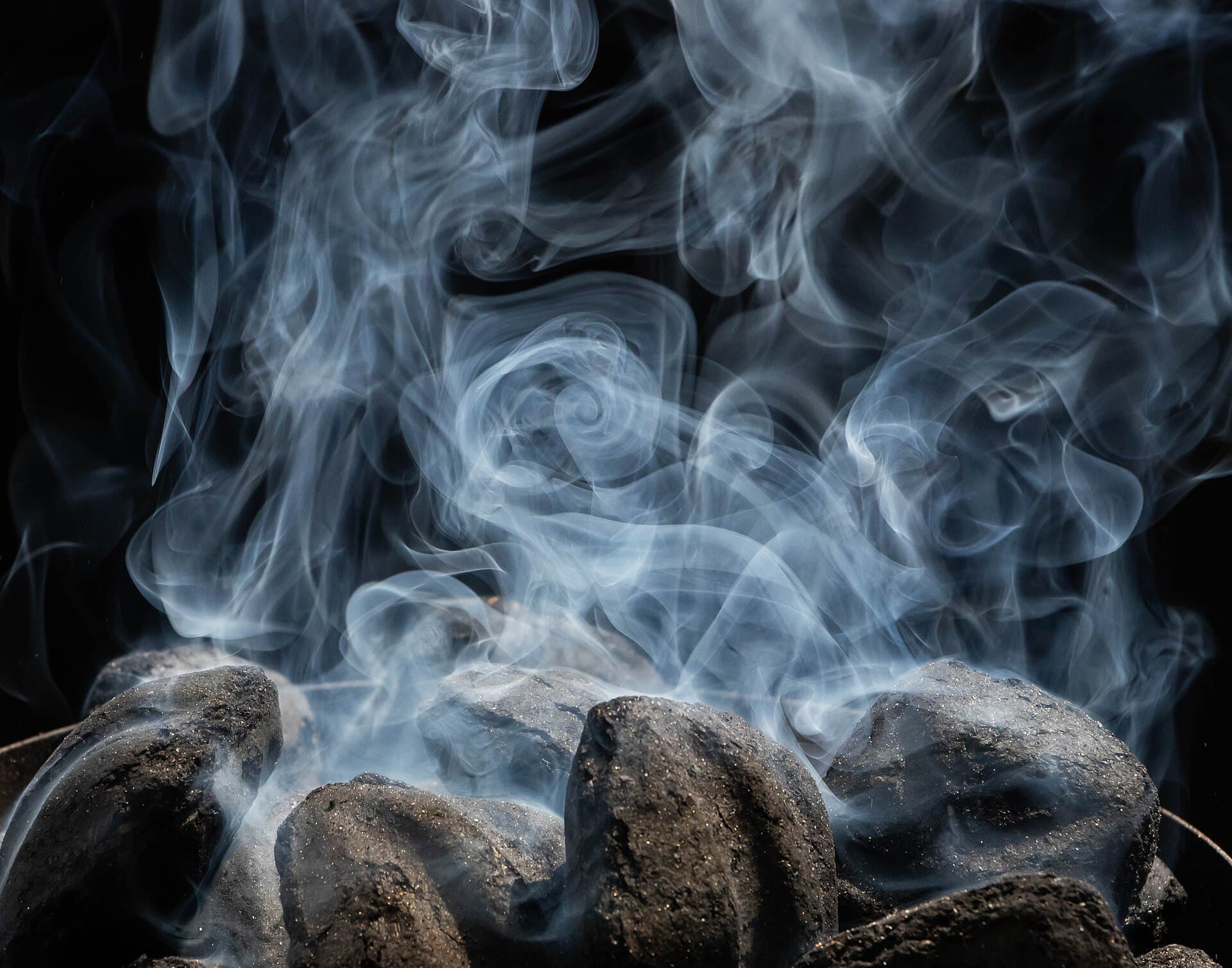
Photo: Starting a charcoal fire by Tomascastelazo. CC BY-SA 4.0. Source: Wikimedia Commons. See image credits.

Charcoal is a fire you are allowed to manage. The lighting is twenty minutes. The control is the rest of the afternoon. Australians ruin more kettles with impatience and lighter fluid than with cheap meat.
This page is the technique. The hardware comparison — kettle against kamado against offset — is kamado, kettle and offset smokers compared. If you have not yet decided that solid fuel is legal on your site, read bushfire-season barbecue safety and your local fire service first.
You need a chimney starter, a kettle or kamado with working vents, tongs, a grate scraper, and a probe thermometer. You do not need a squeeze bottle of accelerant.
Heat beads, lump and what they are for
Heat beads are pressed briquettes. They light in a chimney, burn at a steady pace, and are for sale next to the ice at the servo. They leave more ash. They are the right default for a two-hour chicken and for a snake burn that has to hold 120 °C.
Lump is broken charcoal from timber. It lights faster, spikes hotter, and dies more unevenly. It is the right fuel for a hard sear and for a kamado that you want up to pizza heat. It sparks. It also varies in size, so a bag is not a measuring cup.
Do not mix in the same chimney unless you know why. A few lumps on a bed of ashey beads can lift a sear at the end of a cook. A dump of beads on a dying lump fire will smoulder and sulk.
Wood chunks are flavour, not the base fire, unless you are running an offset. A fist of ironbark or apple on ashey coals is enough for a kettle cook. A log in a kettle is an offset fantasy that will not fit.
Never burn treated pine, painted offcuts, or the remains of a flat-pack. The smoke is not a rub.
Lighting without a lake of fluid
Fill the chimney. One full chimney is a typical 57 cm kettle sear fire. Half a chimney is a modest indirect fire if you bank it to one side.
Put a firelighter or two sheets of newspaper under the chimney, on the charcoal grate, not on the grass. Light the paper. Leave the chimney alone. Do not spray fluid into it. Do not tip the chimney while the flames are tall.
In 15 to 25 minutes the top beads will show pale ash. That is the ready signal. If you are lighting lump, the time is often shorter and the glow is patchier. Wait until the smoke has gone thin and blue or nearly clear. Thick white smoke at this stage is unburnt volatiles. You do not want that under a steak.
Pour the coals onto the charcoal grate. For a two-zone fire, pour them all to one side. For a ring or a snake, arrange them with tongs. Put the cooking grate on. Put the lid on, vents open, and let the steel come up for five to ten minutes.
A kamado lights the same way, but you light a smaller pile in the firebox and you close the lid sooner so the ceramic comes along. Do not hose a kamado to “settle” it. Thermal shock cracks eggs.
Electric starters and loo-roll-and-oil tricks exist. They work. Fluid works too, and it tastes of fluid for the first cook. If you can smell the starter, wait.
The food goes on when the fire is ashey and the grate is hot, not when the first flame looks exciting.
Two zones, snakes and the lid
Most backyard cooks need two temperatures at once: a sear and a safe place. Bank the coals. Leave a third to a half of the grate with no fire under it. That empty side is where the chicken finishes, where the flare-up steak retreats, and where the onions stop burning.
The technique essay is indirect versus direct heat. The charcoal version is simply where you put the beads.
A snake or minion burn — a curve of unlit beads with a few lit ones at the head — is how a kettle holds a low temperature for hours. It is the backyard path to brisket if you do not own an offset. Light only the head. Leave the rest to catch in turn. A water pan in the middle steadies the air and catches fat.
A kamado does not need a snake. The ceramic and the tight vents are the throttle. Light a modest pile, shut the lid, set the bottom vent to a slit and the top vent to a small opening, and wait. Opening the lid dumps heat and dumps oxygen. Every peek is a reset.
Offsets are a wood fire in a box. This page will not pretend they are a kettle. Feed the box, watch the stack temperature, and rotate the meat. The comparison is in the smoker guide.
Vents are the throttle
On a kettle the bottom vent feeds air to the fire. The top vent lets exhaust out and pulls that air through. Both open is maximum heat. Bottom open and top half-closed is a working roast. Both nearly shut is a fire you are trying to put to bed.
Make small moves. Steel lags. If the lid thermometer says 250 °C and you wanted 180 °C, close the top vent a third and wait ten minutes. Do not throw a cup of water on the coals unless you are dealing with a grease fire you cannot move the food away from. See flare-ups, hot spots and grease fires.
Lid thermometers are biased toward the lid, not the grate. Use a probe at grate level if you care, and a probe in the meat if you are roasting. Poultry through 74 °C in the thigh. Steaks are a feel and a number; the reverse-sear method starts cool and finishes on the hot side.
Wind is a third vent. A southerly through the bottom intake will run the fire lean and hot. Turn the kettle so the bottom vent is not a scoop. In serious wind, a hooded kettle still beats an open brazier. That argument is hood versus open grill in Australian wind.
Wind, weather and the days you should not light
Light in the open. Do not light a chimney under an awning, on a timber deck without a mat, or next to a gas bottle. Set the chimney on the charcoal grate or on bare earth that is not a fire-ban risk.
Coastal damp makes newspaper sulk. Use a wax firelighter. Inland heat makes the handle of the chimney into a brand. Use a glove.
Rain on a thin kettle lid will drop the temperature. Keep cooking with the lid down; do not lift to “see if it is still going”. A kamado will shrug off a shower if the gasket is sound. An offset firebox will not.
Total fire bans and many park rules remove this whole craft for the day. Gas may still be legal. Have a gas fallback if you live where the bans last a week. Do not “just do a small chimney” because the beads are already in the bag.
After the cook, shut the vents and let the fire die in the kettle. Do not dump hot coals into a plastic bin or into the garden. Ash goes into a metal bucket, then into the bin when it is cold. In a wet season, empty the ash so it does not sit against steel. Wet-season storage starts with a dry, empty bowl.
A working sequence for a weeknight
- Scrape the grate from last time. A dirty grate is a sticking grate and a source of old smoke.
- Open both vents. Fill the chimney. Light it.
- While it burns, salt the meat and set out the trays. A rub can sit. A wet marinade should be patted dry or it will steam.
- Bank the coals. Lid on. Grate hot.
- Sear on the fire side. Move to the empty side to finish. Lid down between moves.
- Rest the meat. Shut the vents.
That sequence will cook steaks, lamb chops, and a butterflied chicken. It will also cook halloumi and mushrooms if you give the vegetables the empty side and a little oil.
A Sunday roast is the same fire with more beads on the indirect side, or a snake, and a probe. Do not chase colour with the lid up. Colour comes from a dry surface and a hot grate, not from anxiety.
If you are buying the first kettle, the hardware notes in the buying guides still apply: a lid that seals, vents that move, and a bowl you can cover. Technique will not save a rusted vent that is jammed open.
Questions readers ask
- How long should I wait after lighting before I cook?
- Wait until the beads are covered in pale ash and the open flame has died back, usually 15 to 25 minutes in a chimney. Cooking over leaping yellow flame tastes of unburnt starter, not of meat.
- Heat beads or lump charcoal?
- Heat beads burn evenly and are easy to buy. Lump lights faster, runs hotter, and leaves less ash. Use beads for a long even cook and lump when you want a fierce sear.
- Why does my kettle keep running too hot?
- The top vent is wide open, the fire is too big, or the lid is off. Shut the lid, close the top vent halfway, and give the steel ten minutes to settle before you add more beads.
- Can I add charcoal during a cook?
- Yes. Light a small chimney on the side and add already-ashey coals, or tuck unlit beads onto a snake of burning ones. Dumping a bag of cold charcoal on a roast cools the grate and throws ash on the food.
Keep reading
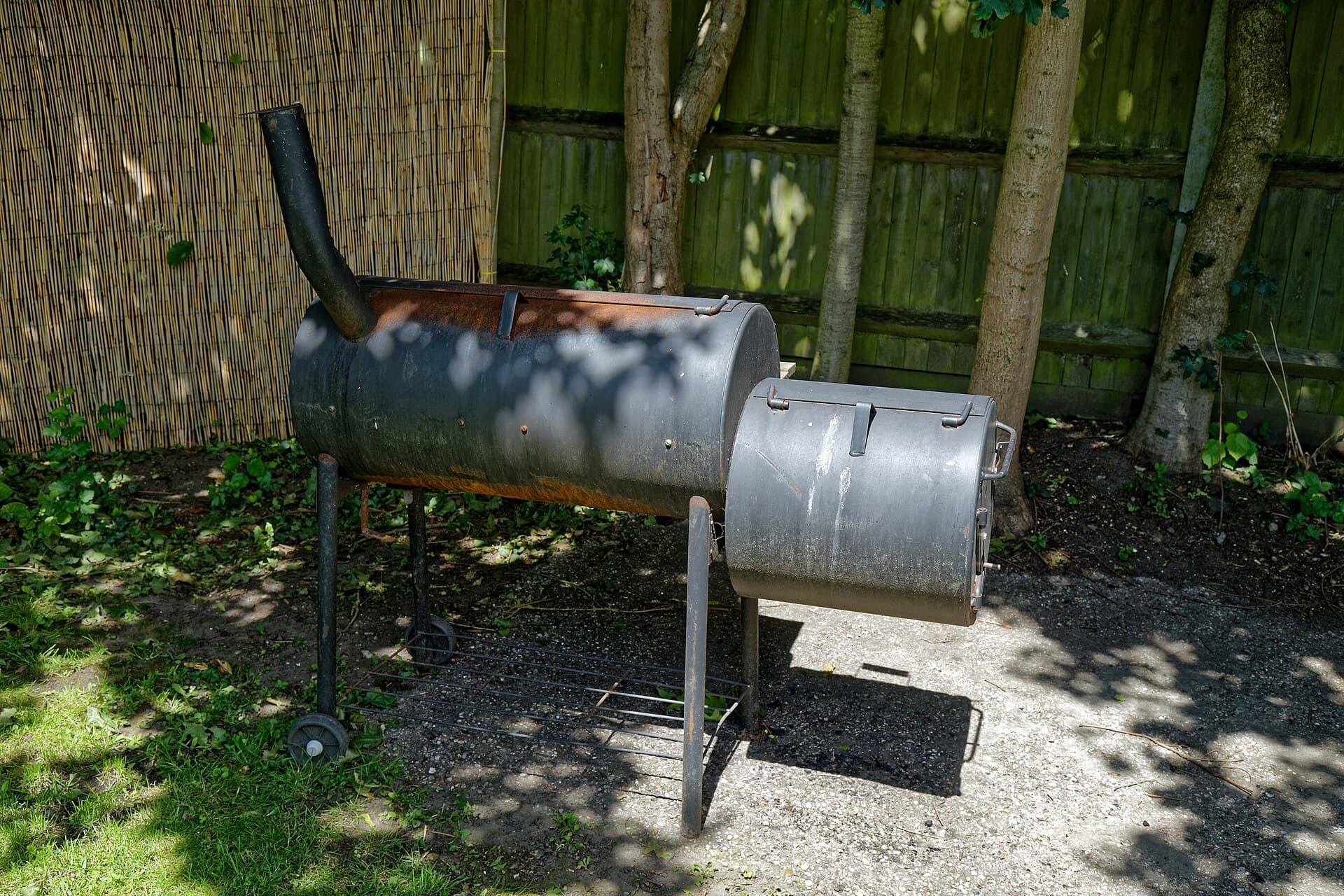
Hood versus open grill in Australian wind
A hood is a lid that turns a grate into a small oven. An open grill is a fire you stand over. Wind decides which one still cooks in an Australian backyard.
Mina Rahman · 12 May 2026
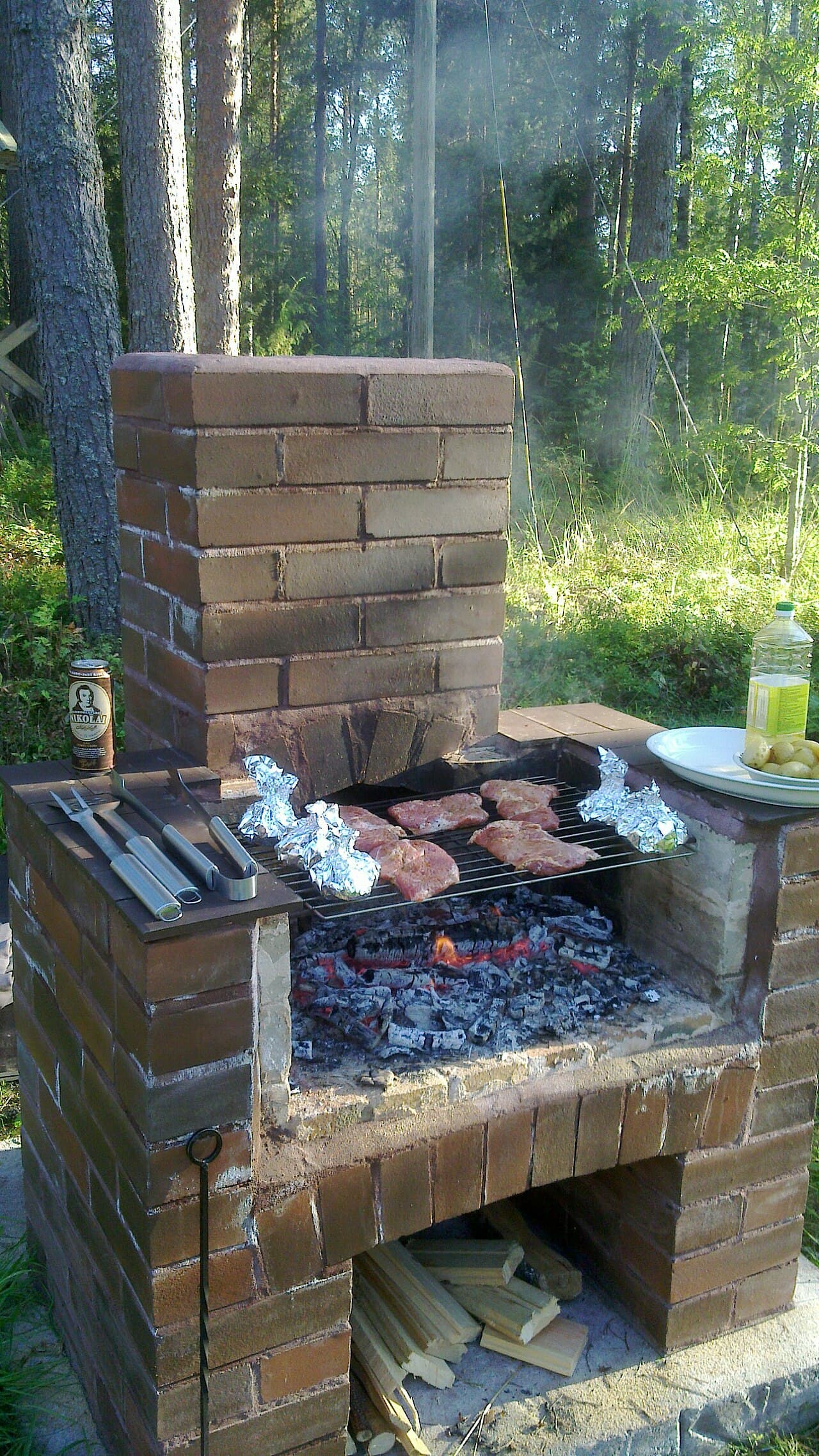
Australian smoking woods, ironbark, red gum and apple
How local hardwoods actually flavour food on a kettle, kamado or offset — ironbark, red gum, apple and the woods to leave in the pile.
Tom Bellear · 1 May 2026
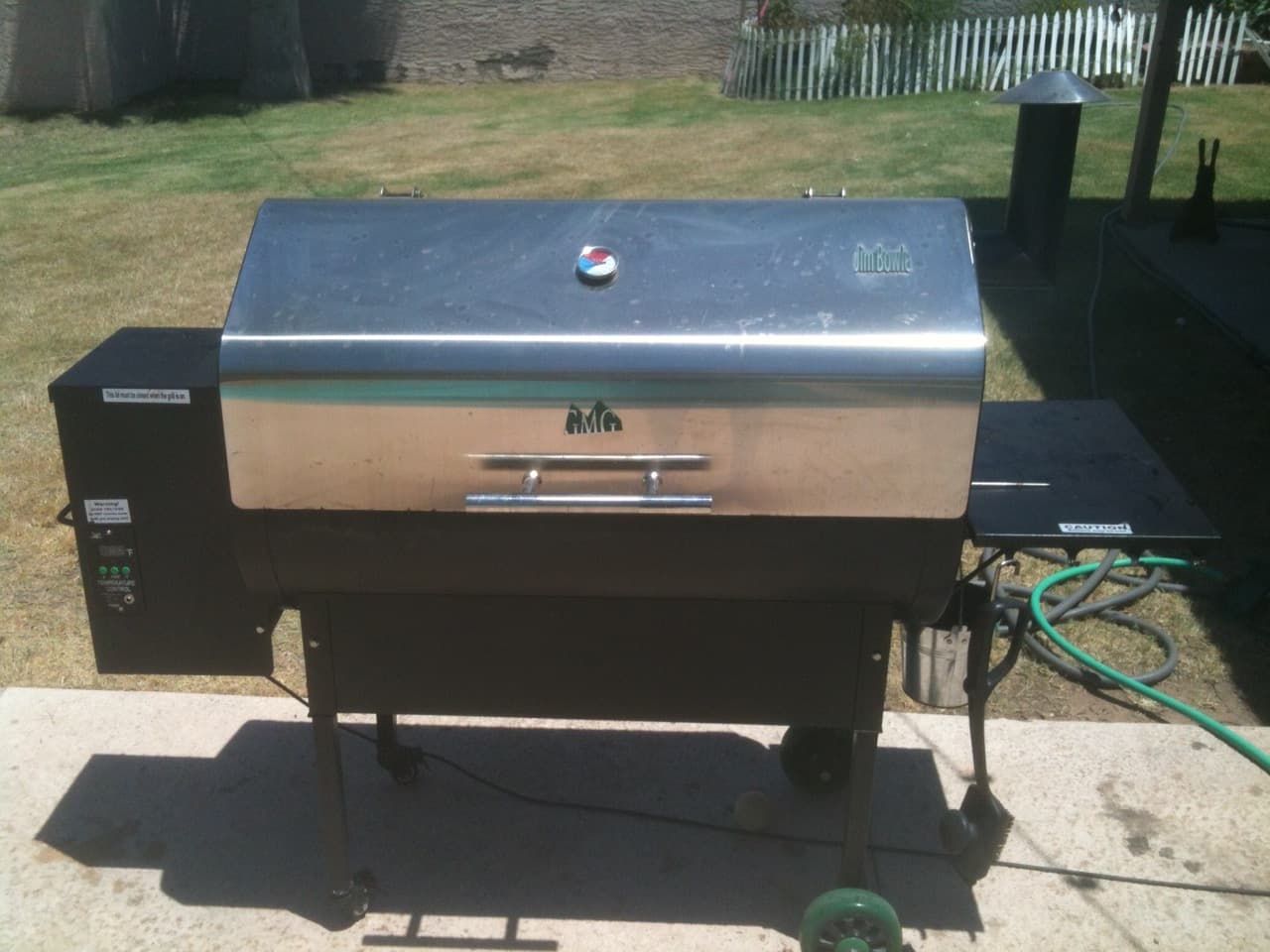
Pellet smokers in Australia
A pellet barbecue is an electric wood fire. What electricity, humidity, pellet supply and bushfire bans do to that idea in an Australian backyard.
Callum Hartley · 20 April 2026