Balcony and apartment barbecue strata rules
Strata by-laws, smoke and fire bans decide what you can cook on an Australian balcony. The rules are local, and a neighbour’s Weber Q is not a permit.
Tom Bellear, Outdoors editor · 28 May 2026 · 7 min read · 1,574 words
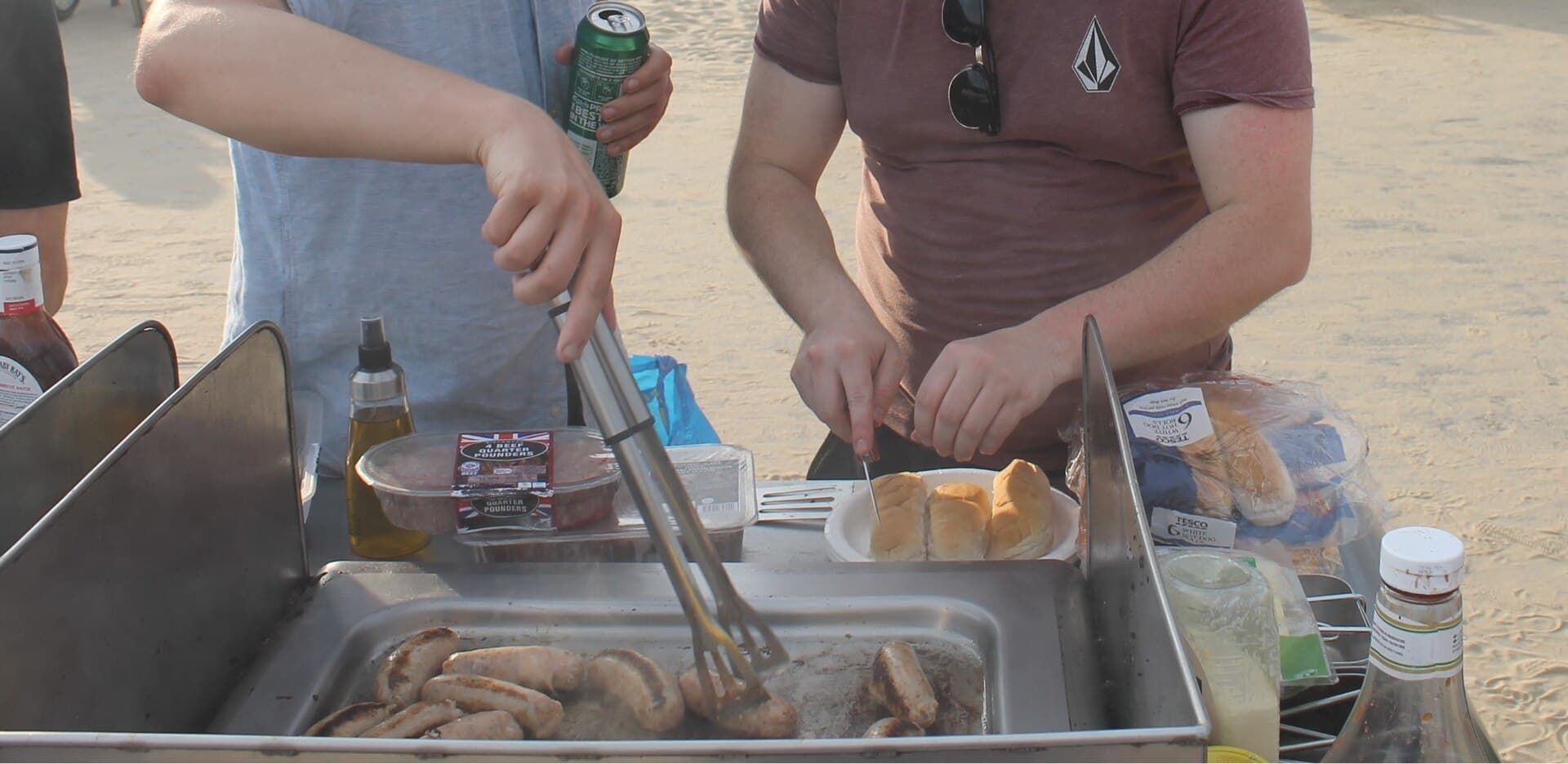
Photo: Electric barbecue grill by Chrisatsea. CC0 1.0. Source: Wikimedia Commons. See image credits.

A balcony is not a backyard with a better view. It is a small, shared, windy ledge attached to other people’s bedrooms, and in a strata scheme it is usually common property or a lot with rules stacked on top of it. The grill that makes sense on a quarter-acre in Penrith can be a breach, a smoke complaint, or a fire risk twelve storeys up in Southbank.
This is not a legal opinion and not a council-by-council map. By-laws and fire restrictions change by scheme, by state and by the day. What follows is how to read those rules and how not to invent a permission you do not have.
Read the by-law before you buy the grill
Start with the documents you already own. The strata plan, the by-laws, and any house rules the committee has circulated will say more than a product page. Look for words like barbecue, balcony, open flame, LPG, cylinder, cooking and smoke. Some schemes ban all cooking on balconies. Some allow electric only. Some allow a small gas appliance with conditions. Some say nothing useful and then enforce a complaint when fat smoke enters a bedroom.
Ask the strata manager, in writing, three things: is a barbecue of this type permitted on this balcony; are LPG cylinders permitted, and at what size; and are there any building or insurer conditions on top of the by-law. Keep the reply. A hallway conversation with a committee member is not a permission.
Do not treat another resident’s setup as a precedent. Buildings accumulate informal exceptions. The day someone complains, the paper rule returns. If you are buying into a building because you want to cook outside, make the by-law a condition of your enquiries, the same way you would check pets or flooring.
Councils sometimes have their own smoke, noise or fire-product rules, and they are not the same from Parramatta to Port Phillip. Do not take a story about “the council here bans all gas” as a national fact. If a council rule is relevant, read the published instrument, then obey the stricter of that rule and the by-law. A townhouse courtyard is a different job: planning an Australian outdoor kitchen.
Electric, gas and charcoal on a balcony
Electric is the usual least-worst option in a tower. A small hooded electric barbecue, or a controlled-temperature grill plate, gives you snags and vegetables without a cylinder and without a chimney of charcoal. It still makes smoke if you cook fatty meat on a high setting. It still needs a weather-rated outlet, a residual-current device, and a lead that is not pinched in a door. It will not replace a four-burner BeefEater, and you should not expect it to.
Gas is where buildings split. A portable LPG appliance — the familiar Weber Q class, a Gasmate or a compact Matador — is convenient and cooks well in wind if it has a hood. Many schemes restrict or forbid the bottle on the balcony, or limit the cylinder size, or forbid storing a spare. Some buildings allow a connected appliance but not a spare bottle in a cupboard. None of that is universal. If gas is allowed, use the hose and regulator the appliance was certified with, keep the bottle upright and out of sun where you can, and never cook with a cylinder on its side or in a closed storage box that cannot vent.
Natural gas on a balcony is rare and is not a DIY project. A fixed connection is building work. If the building has it, a licensed gasfitter and the owners corporation are in the conversation before you shop.
Charcoal, heat beads, wood and kamado cookers are the hardest sell upstairs. They throw embers, they smoulder, they smoke, and they are the first thing a fire ban will touch. If the by-law is silent, do not read silence as yes. Ask.
Portable does not mean exempt. A fold-down grill still has to sit somewhere when you get home. Our portable barbecues for camping and caravanning guide is about travel; the same appliance on a balcony is a strata object. The Weber Q, Family Q and Spirit buying guide explains size and hood without pretending any of them overrule a by-law.
Smoke, smell and your neighbours
Most balcony fights are not about fire. They are about someone else’s steak in someone else’s bedroom. Smoke travels up and sideways. A prevailing sea breeze that feels lovely on your face is a delivery system for the next three lots.
Cook cleaner than you would in a yard. Trim fat. Avoid dripping marinades that hit a plate and become a column. Keep the hood down when you can. Do not burn off a greasy grill at 8pm on a still night. If you want low-and-slow, a balcony is the wrong architecture; that cook belongs in a backyard, and even there it needs thought.
Time of day is courtesy as much as rule. A Saturday lunch is easier to defend than a Sunday dawn. If your building has quiet hours in the by-laws, cooking smoke can be treated as a nuisance even when the appliance itself is allowed. Talk to the people who share a wall before you host ten friends on a two-metre ledge. An esky and a plate of vegetarian barbecue makes less smoke than a tray of lamb fat, and it is a better balcony menu anyway.
Clean as you go. A neglected drip tray smells like an old takeaway shop and will be noticed in the next heatwave. Store the appliance so it cannot blow over. A lid that slams in a southerly is a noise complaint with a barbecue attached.
The by-law is local. Your neighbour’s grill is not a permit.
Fire bans still apply upstairs
A total fire ban, or a lesser restriction, is declared for a district by the relevant fire service. Height does not exempt you. Ember attack is a ground-level problem around bush and grassland, but a banned appliance is banned whether you are on a slab or on level forty.
The list of what you may and may not use changes with the type of declaration and with the state. Some days a gas barbecue with a lid may be allowed; some days it may not; charcoal and open flame are usually first to go. Do not memorise a pub rule. Check the fire service for the day and the place, then follow the stricter of that advice and your by-law. We set out the backyard version of this judgement in bushfire-season barbecue safety. The balcony version is the same check, plus the building’s own ban if it has one.
Keep a clear deck. No tea towels stacked against the hood, no storage boxes of cardboard, no dry pot plants pressed to the grill. Have a way to turn the appliance off and a way to get off the balcony. A small extinguisher is only useful if you know which kind you have and what it is for. Water on a grease fire is still a bad idea twelve floors up.
If the building goes into a fire-alarm or evacuation drill, the barbecue is finished. Turn it off, shut the bottle if you have one, and leave.
Storage, bottles and common property
Where the grill lives when you are not cooking is half the problem. A balcony that already holds bikes, a drying rack and a dead fiddle-leaf fig does not also need a spare nine-kilogram cylinder behind a curtain. Heat, valves and poor ventilation are how bottle incidents start.
Do not store LPG in a bedroom, a closed internal cupboard, or a car. If the by-law allows a bottle, keep the number to what you need, keep it upright, and keep the area clear. Empty bottles are still bottles. Return them.
Common property is not your shed. Stairs, corridors and the car-park cage are not storage for fuel or a greasy grill. Covers help with rust; they do not make a banned appliance legal. On the coast, rinse stainless with fresh water and dry it. Our outdoor kitchens hub is the wider map if the terrace is starting to look like a renovation.
What to do if you are unsure
Unsure is the correct state for a lot of this. Write to the strata manager. If the building has a building manager, copy them. If you need a gas opinion, use a licensed gasfitter, not a group chat. If you need a fire-day opinion, use the fire service website or information line for your state.
If the answer is no, cook inside, use a grill plate on the stove, or take a portable electric to a place that allows it. That is a smaller disappointment than a by-law notice, an insurance argument after a scorch mark, or a neighbour who has to close their window every Saturday.
If the answer is yes, stay inside the yes. The permitted electric grill does not become a kamado because you had a good year. The permitted small gas bottle does not become two. The permitted lunch does not become a smoke session that treats the light well as a chimney.
Apartment cooking can be excellent. It is just a different sport: smaller appliance, cleaner food, earlier finish, and a paper trail. Treat the balcony as a shared ledge that happens to hold dinner, and you will still be cooking there next summer.
Questions readers ask
- Can I use a gas barbecue on an apartment balcony?
- Only if your scheme’s by-laws and the building’s safety rules allow it, and only with the appliance and bottle arrangement those rules describe. Many buildings ban LPG bottles on balconies or limit them by size. Read your by-laws and ask the strata manager in writing.
- Is an electric barbecue always allowed?
- Electric is often the least-restricted option, but it is not a free pass. Some schemes still ban all cooking on balconies, and a high-wattage grill can trip a circuit or annoy neighbours with smoke from fatty food.
- Do total fire bans apply on a tenth-floor balcony?
- Fire restrictions are made by the fire service for a district, not by floor number. If a ban or restriction is in force where you live, check that day’s rules before you light anything, gas or charcoal.
- What if my neighbour barbecues and I cannot?
- Enforcement is uneven and older informal habits do not rewrite the by-law. Raise it with the strata manager rather than starting a hallway argument. A written answer protects you more than a lobby rumour.
Keep reading
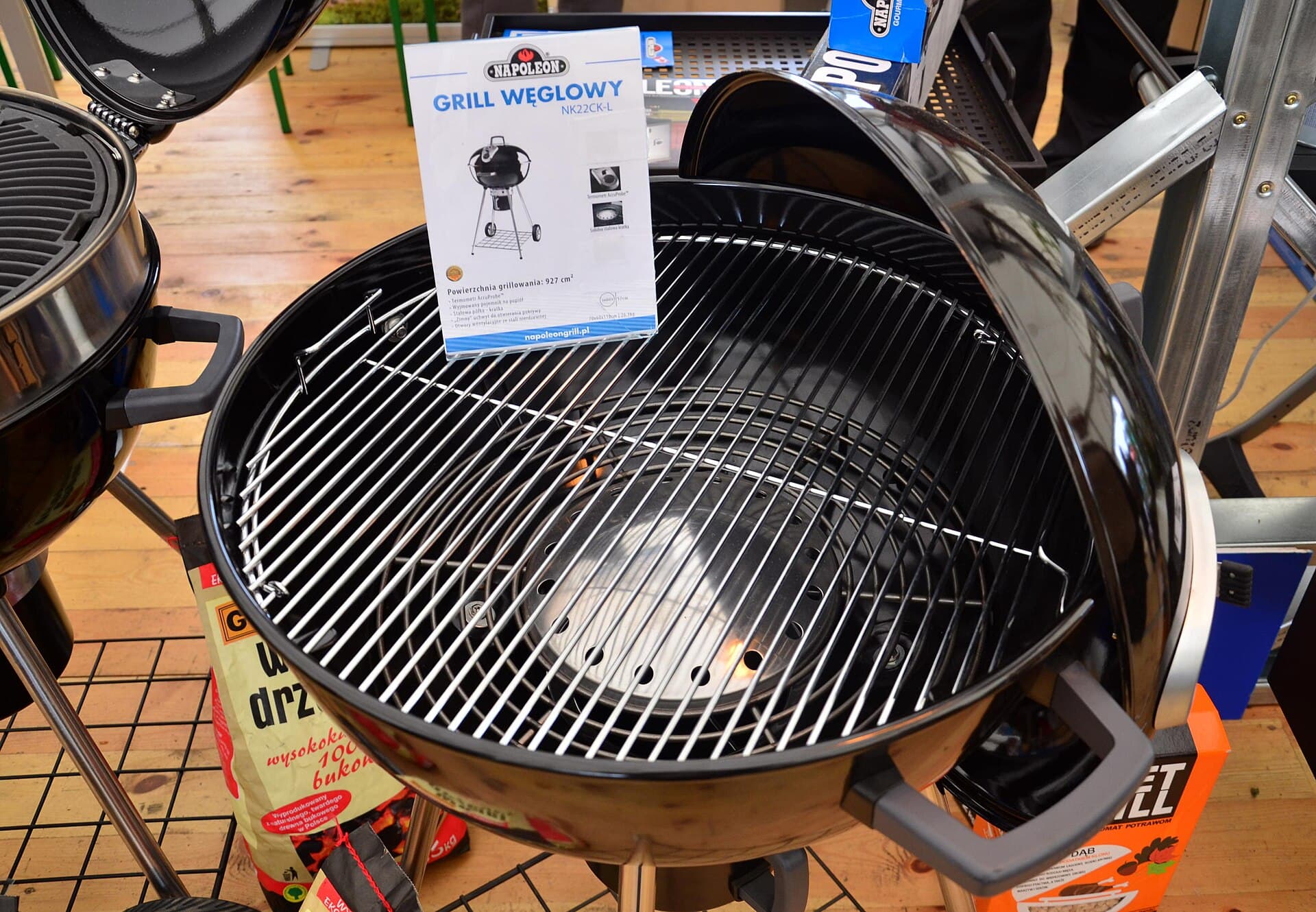
Planning an Australian outdoor kitchen
Drainage, gas certification, benches, shade and coastal rust decide whether a backyard kitchen still works in February, not the colour of the splashback.
Callum Hartley · 20 May 2026
Winter barbecue in southern Australia
A July cook in Victoria, Tasmania, South Australia, the ACT or southern New South Wales is a heat-retention problem. Wind, a lid and the early dark decide the menu more than the recipe.
Tom Bellear · 14 July 2026
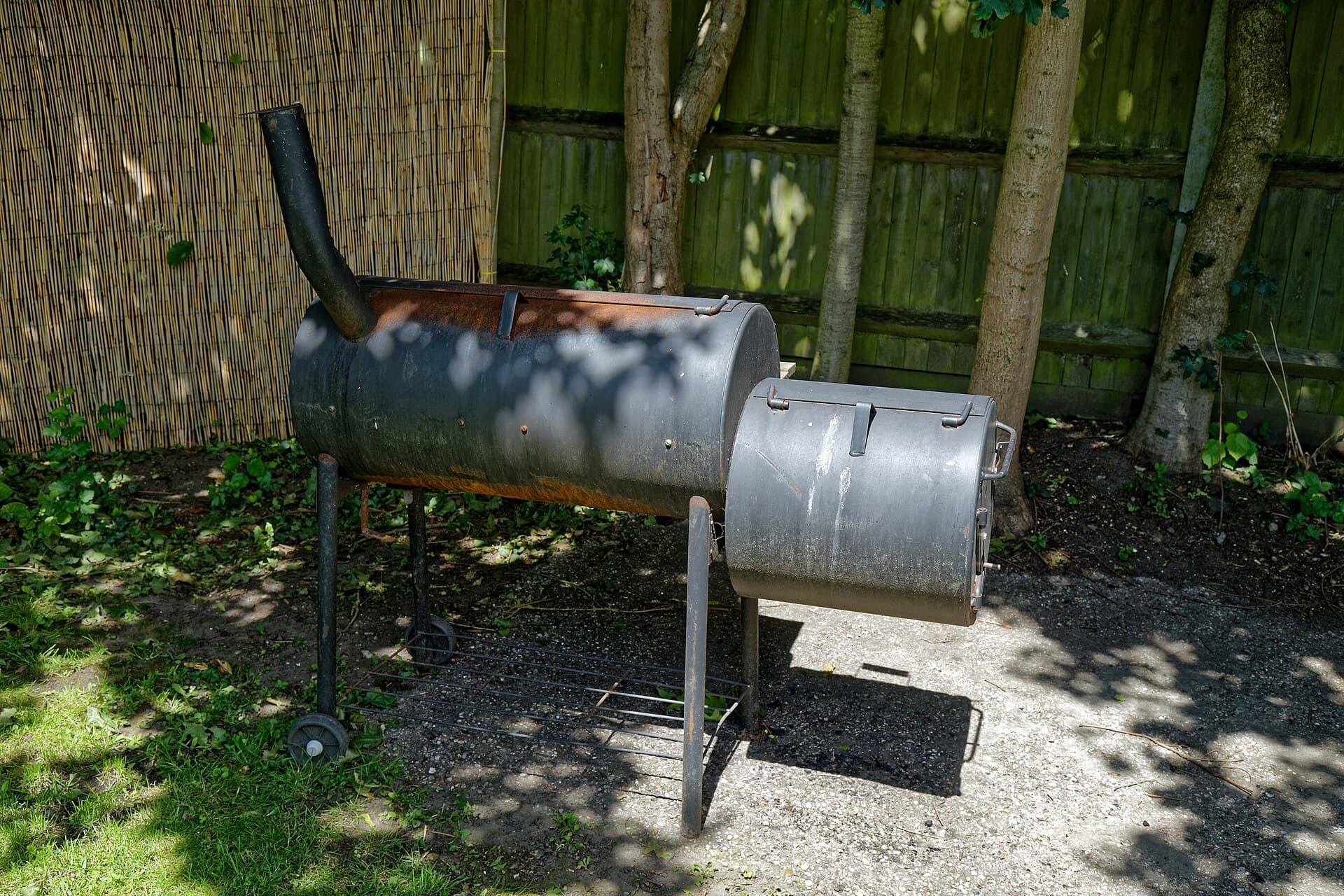
Storing a barbecue through the wet season
The Top End build-up and east-coast summer storms rust a barbecue faster than a winter in Melbourne. Clean it, dry it, keep the cover honest, and do not trap a wet machine in plastic.
Tom Bellear · 6 July 2026