Planning an Australian outdoor kitchen
Drainage, gas certification, benches, shade and coastal rust decide whether a backyard kitchen still works in February, not the colour of the splashback.
Callum Hartley, Hardware editor · 20 May 2026 · 7 min read · 1,562 words
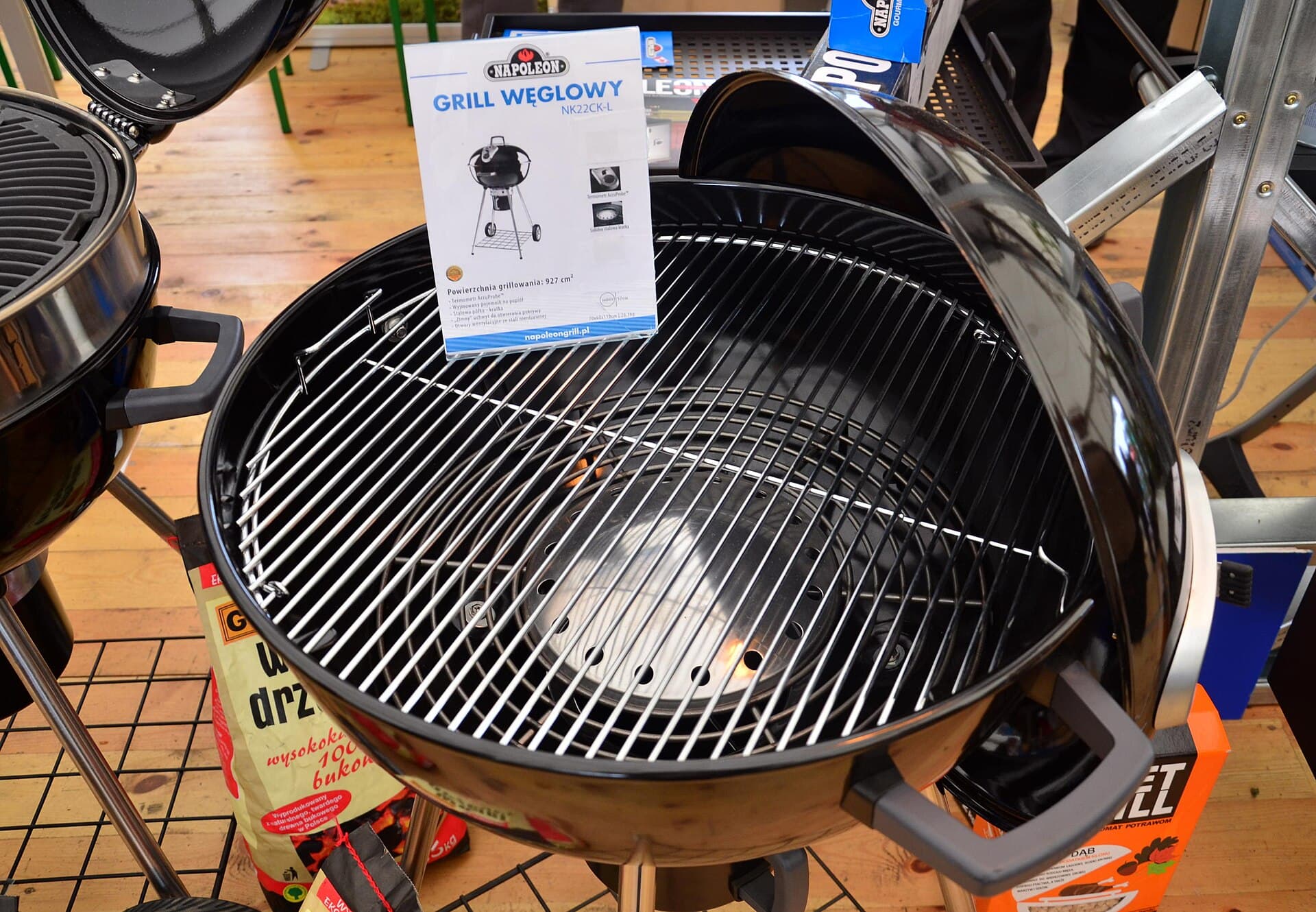
Photo: Built-in outdoor grill by Silar. CC BY-SA 4.0. Source: Wikimedia Commons. See image credits.

An outdoor kitchen is a wet-area renovation that happens to hold fire. The grill is the part people photograph. The parts that decide whether you still cook in three summers are the fall of the slab, the gas certificate, the bench that does not cup, the shade that does not trap smoke, and the steel that can live near the sea. A Heatlie, BeefEater or built-in Weber is only as good as the pad it sits on.
Start with water, not with the grill
Australian yards fail on water before they fail on heat. Summer storms on the east coast, a sprinkler that overshoots, a sink that someone added later, and condensation under a cover all find the same low point. If that low point is the firebox or the electrical junction, the project is already in trouble.
Walk the proposed pad after rain. Note where water sits and where it runs. A barbecue slab should fall away from the house and away from the burners, in the order of a centimetre or two over a couple of metres, not a skating-rink tilt. If you are tying the kitchen into an existing patio, do not assume the old fall is useful. Many older slabs pitch toward a sliding door.
A sink is the feature that turns a grill station into a kitchen, and the feature that leaks. Give it a proper trap, a waste you can reach, and a hot tap if you can run one. If you cannot plumb a sink honestly, skip it and keep a dedicated tub and a hose with a trigger nozzle. Grease needs the same honesty: a removable tray you can carry to the bin, not a pretty channel that empties onto sandstone.
Plan the wet work first. The grill is the easy purchase.
Power and lighting belong in the same wet-area conversation. Outdoor-rated outlets, residual-current protection, and a switch you can reach with wet hands matter more than under-bench LED strips. Have a licensed electrician do the last metre. Do not run an indoor powerboard under a benchtop and call it done.
Gas certification is not optional
A portable LPG trolley that you connect, cook on, and disconnect is one kind of appliance. A barbecue built into masonry or a cabinet, fed by a copper line from a bottle locker or from natural gas, is another. The second kind needs a licensed gasfitter, the right regulator, isolation, and a certificate that matches what was installed.
Do not copy a neighbour’s copper run because it looks tidy. Clearances to windows, doors, combustible cladding and the underside of a roof are set by the appliance instructions and by the gas installation rules that apply in your state. Those rules are not the same as a magazine mood board. If the fitter will not certify a location, move the grill, do not argue the stainless.
Bottle storage is part of the design, not an afterthought. An LPG cylinder needs ventilation, a firm base, and enough room to change it without dragging it across tiles. A locker that looks like joinery still has to behave like a gas locker. Natural gas avoids the bottle dance, but it is not free: the meter, the pipe size and the fitter’s time are real costs, and you cannot take the appliance with you if you move. Our natural gas versus LPG guide is the place to settle that choice before the bench is cut.
If you are still choosing the appliance itself, read the built-in barbecue buying guide before you order stone. Hooded units need lid clearance. Side burners need their own air. A teppanyaki plate changes grease volume. Buying the grill after the cabinetry is how people end up with a four-burner sitting in a five-burner hole, or a lid that will not open under a window hood.
Balcony and townhouse projects have a second layer of rules. Strata by-laws, smoke travel and bottle limits are not solved by a pretty drawing. If the kitchen is upstairs, stop here and read balcony and apartment barbecue rules before you pay a deposit.
Benches that survive February
A bench has three jobs: a hygienic work surface, a heat buffer beside the grill, and a structure that does not move when the west sun hits it at 38°C. Pretty is optional.
Stone and compacted porcelain handle heat and oil better than most timbers. They also telegraph every error in the substrate. If the frame moves, the mitre opens. Use a galvanised or stainless frame, or masonry, and keep timber out of the splash zone unless you like sanding. Merbau and other hardwoods make handsome landing boards; they are poor primary benches beside a greasy plate.
Leave a physical break between the grill chassis and the stone. The appliance expands. If you bed it hard against a polished edge, the edge chips. Follow the maker’s collar and support instructions. Height should sit near a normal kitchen bench so you are not stooping into smoke. Store tongs, a tray, a thermometer and a cloth within one step. The useful outdoor kitchen is the one you will light on a Tuesday for two chicken marylands, with a landing zone on the cool side and a path back to the fridge that does not cross the fire.
Shade that still lets you cook
Unshaded stainless in western Sydney or on the Adelaide plains becomes a tool you will not touch. Shade is comfort, food safety and finish protection. It is also a smoke problem if you build a room.
A pergola with an open side to the prevailing breeze beats a fully enclosed outdoor room with a domestic rangehood. Smoke wants a way out. If you enclose three sides and put a low ceiling over a charcoal or wood fire, you will cook the cook. Hooded gas barbecues are kinder, but they still dump heat and a little combustion air.
Shade cloth, louvres and a deciduous vine each have a season. Keep any cover off the appliance’s required clearances and do not pin fabric so low that a flare-up could reach it. Wind is the other half of shade. An open grill on a headland or a new-estate corner block will not hold temperature. A hooded barbecue and a screen on the weather side will do more than another burner. We cover that cook in hood versus open grill in Australian wind.
Design for cleaning
If you cannot take the greasy parts out and wash them, you will not. That is not a moral failing. It is how outdoor kitchens die.
Specify a grill whose hotplate, grates, flame tamers and grease tray come out without tools, or with one tool you will keep in the drawer. Leave a clear floor strip in front of the cabinet so you can stand a bucket. Choose cupboard interiors that can take a hose splash — stainless, compact laminate, or well-sealed marine ply — not raw particleboard. Put a drip edge on the bench so dirty water does not run into the carcass.
Cleaning is easier when the kitchen is not a junk drawer with a sink. Keep chemicals for the grill away from food. Keep the cover off while the appliance is still warm enough to dry, then put it on. A cover over a wet, dirty barbecue is a rust tent.
The weekly habit matters more than a spring ritual. After a cook, burn off, brush, empty the tray, wipe the fascia. Once a month, do the job we describe in how to clean a gas barbecue. If the kitchen is charcoal or wood, plan for ash: a metal bin with a lid, a place it can sit cold, and a path that does not cross the entertaining lawn.
Coastal rust and material choice
Salt air is not a vibe. It is an electrolyte. Anything ferrous, any cheap fastener, any 304 stainless that never sees a fresh-water rinse will show brown tears. This is true from Fremantle to the Sunshine Coast and on any harbour suburb that feels the afternoon north-easterly.
Specify 316 stainless where you can afford it, and wash it. Tea staining is not always terminal; neglect is. Fasteners should match or beat the panels. A 316 hood on zinc-plated screws is a science experiment. Cast iron plates need seasoning and a cover, or they need to be treated as consumables. Painted lids chip; touch them up before the scratch rusts the skin.
Cabinets near the beach do better as open masonry or fully stainless than as powder-coated mild steel with a pretty door. If you want timber doors, accept that they are a maintenance surface. Hinges and gas struts fail first. Buy the replacements when you buy the kitchen.
The same salt attacks electrics and gas fittings. Keep junctions high and inspect hoses. After a big blow, rinse with fresh water, then dry and oil the plate. That five-minute rinse is the difference between a ten-year kitchen and a three-year one.
If you are only parking a trolley under the eaves, the same rules shrink but do not vanish: level, drain, cover, keep the bottle upright. The outdoor kitchens hub maps the rest of this work. Plan the pad, the certificate, the bench, the shade and the rinse, then choose the grill that fits the hole you have actually made. The splashback colour can wait.
Questions readers ask
- Do I need a licensed gasfitter for a built-in barbecue?
- Any fixed natural-gas or LPG connection in Australia must be installed and certified by a licensed gasfitter. A portable bottle-fed trolley you roll out and disconnect is a different class of appliance, but once you hard-plumb a line into a bench the work is regulated.
- What is the single most common outdoor-kitchen failure?
- Water that has nowhere honest to go. A slab that ponds, a sink with no trap, or a grease tray that drains onto the pavers will wreck stone, steel and friendships faster than a cheap grill.
- Can I put a rangehood over an outdoor barbecue?
- You can, but an indoor-style canopy does little in a breeze and rusts if it is not specified for weather. Shade and a hooded barbecue usually do more useful work than a domestic extractor bolted to a pergola.
- Is stainless steel enough on the coast?
- Marine-grade 316 stainless lasts longer than 304, but it still needs washing with fresh water after salty weather. Painted mild steel, cheap fasteners and untreated cast iron fail first.
Keep reading
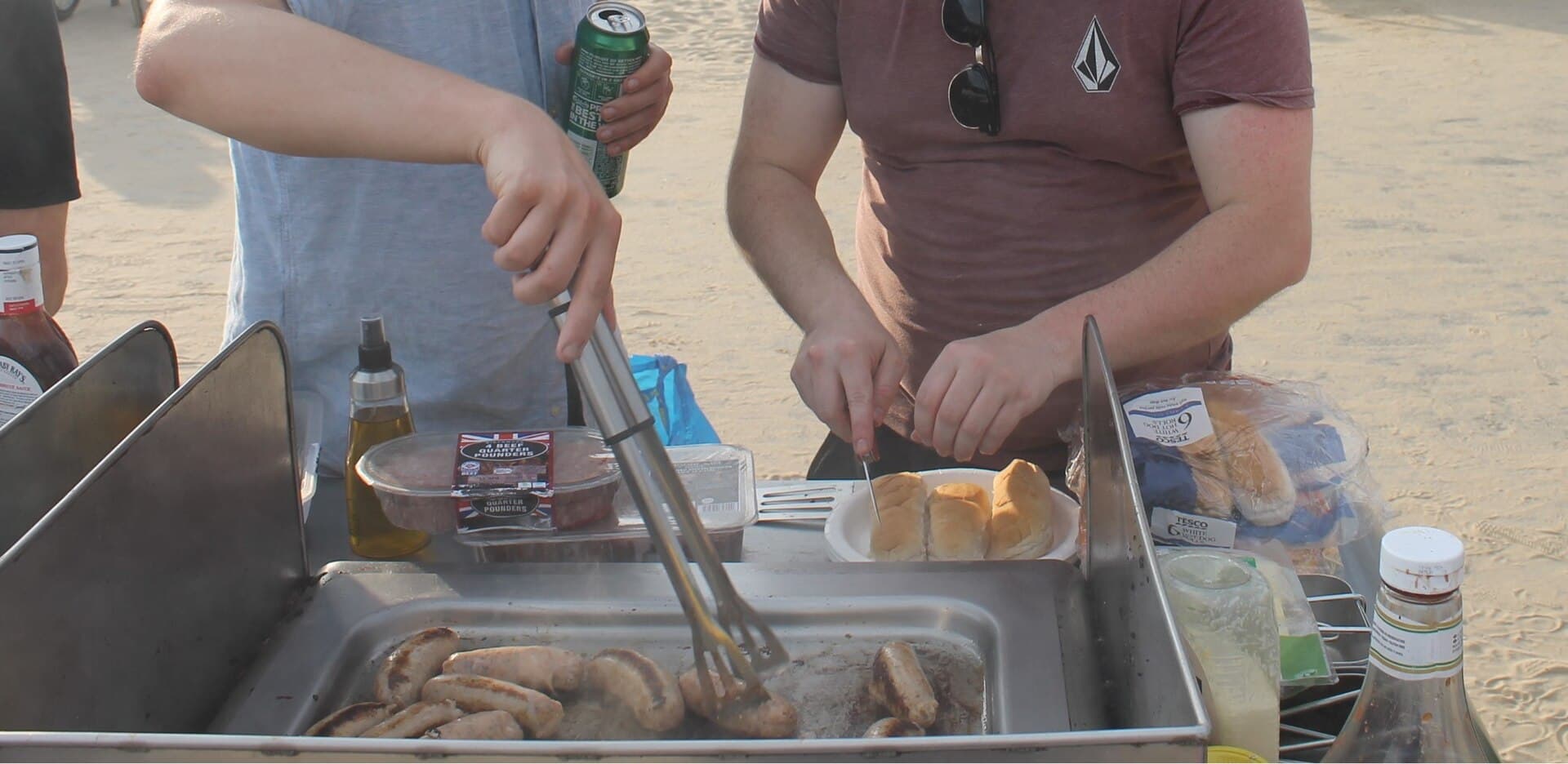
Balcony and apartment barbecue strata rules
Strata by-laws, smoke and fire bans decide what you can cook on an Australian balcony. The rules are local, and a neighbour’s Weber Q is not a permit.
Tom Bellear · 28 May 2026
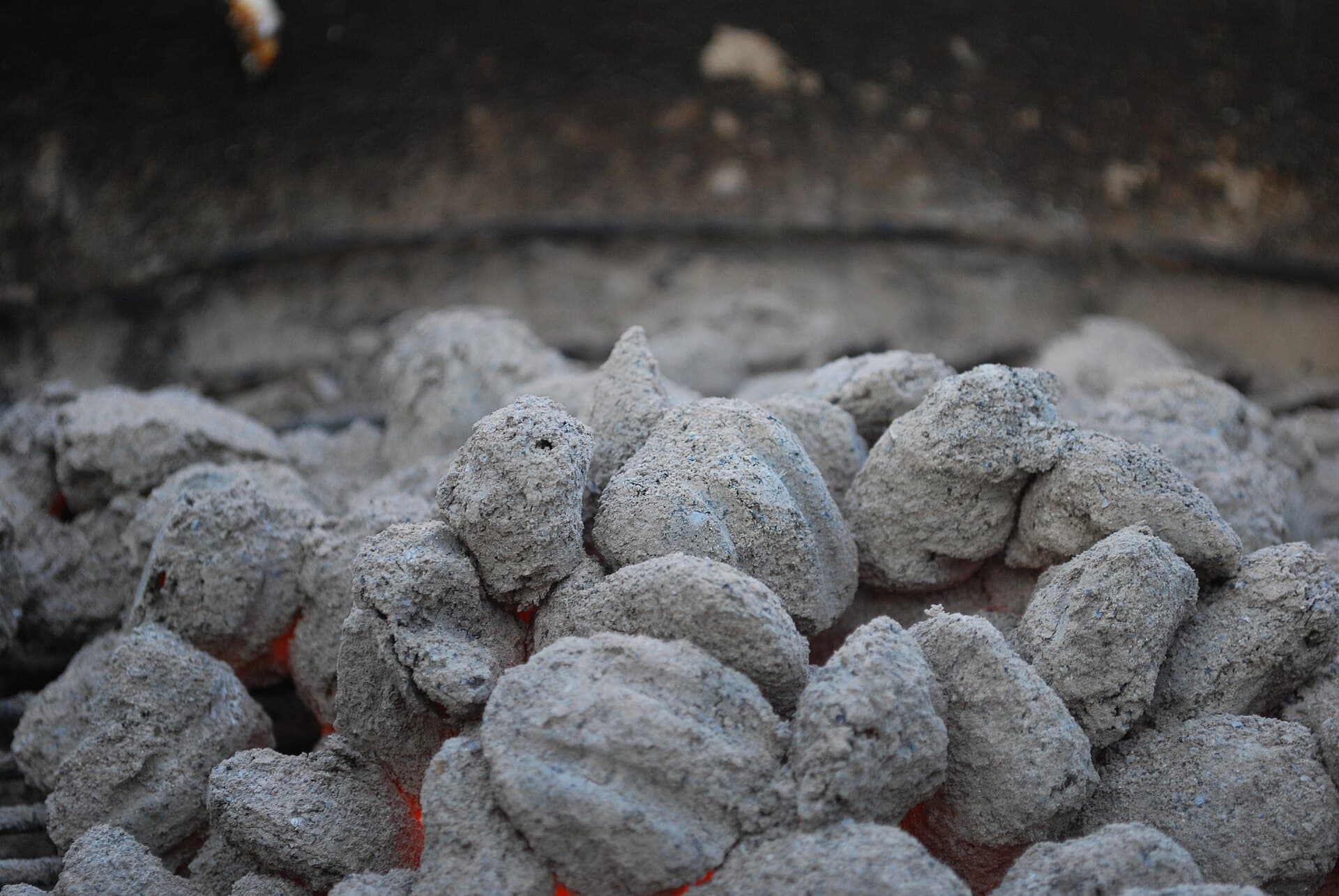
Winter barbecue in southern Australia
A July cook in Victoria, Tasmania, South Australia, the ACT or southern New South Wales is a heat-retention problem. Wind, a lid and the early dark decide the menu more than the recipe.
Tom Bellear · 14 July 2026
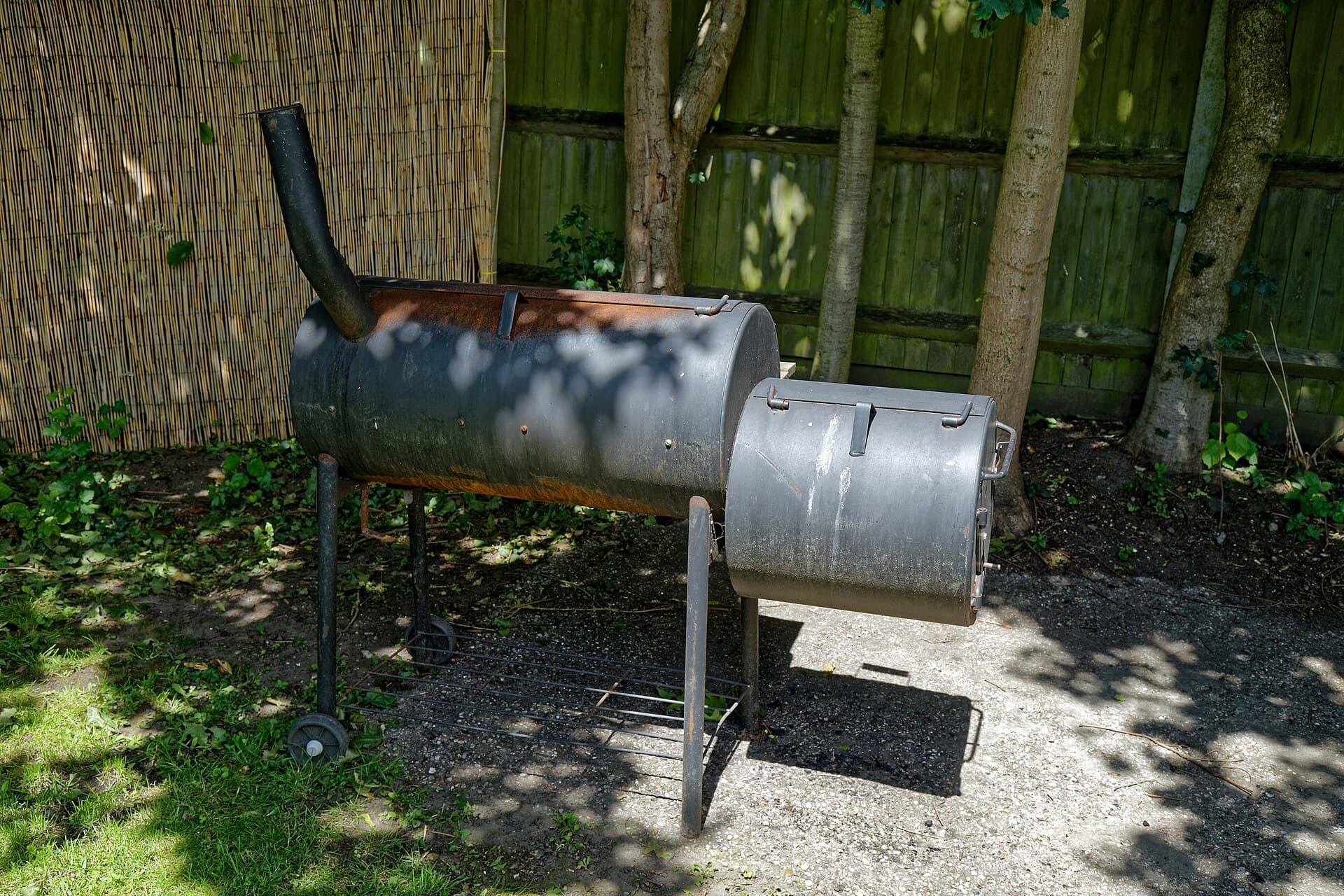
Storing a barbecue through the wet season
The Top End build-up and east-coast summer storms rust a barbecue faster than a winter in Melbourne. Clean it, dry it, keep the cover honest, and do not trap a wet machine in plastic.
Tom Bellear · 6 July 2026