Weber Q, Family Q and Spirit buying guide
How portable Q-class, Family Q and Spirit-style trolley barbecues actually behave in Australian backyards — bottles, side tables, roasting and the limits of a compact hood.
Callum Hartley, Hardware editor · 18 February 2026 · 7 min read · 1,590 words
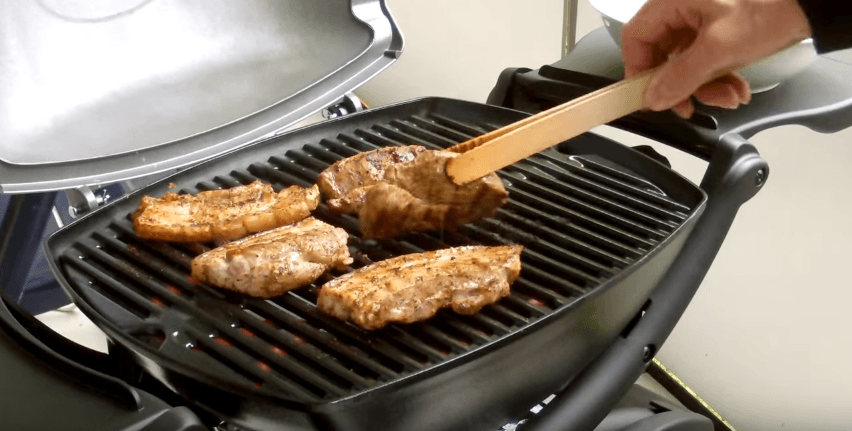
Photo: Portable electric barbecue by Tourni Abha. CC0 1.0. Source: Wikimedia Commons. See image credits.

Weber’s Q, Family Q and Spirit names have become shorthand in Australian sheds for three different machines: a portable hooded grill, a larger portable on a stand, and a trolley with side tables. Other brands make the same classes. This page is about the classes, not a catalogue.
If you are still choosing fuel or household size, go back to how to choose a barbecue grill in Australia. The useful question here is not the badge on the lid. It is whether you cook on a balcony table, a suburban pad, or both.
What Q-class actually is
A Q-class grill is a compact, hooded gas barbecue with a cast or enamelled grate, a single wide burner (sometimes two), and a lid that turns the plate into a small oven. It sits on a table, a folding stand, or a purpose-built trolley. The gas is LPG. The bottle is whatever the stand will hold without becoming a tripping hazard.
In an Australian backyard this class earns its keep because it lights fast, the hood holds enough heat to roast, and you can put it away. A rental courtyard, a narrow side path, and a weekender all suit it. So does a second grill next to a kettle.
The limits are physical. The grate is small. There is no true cold zone unless you turn the burner down and stack food at the edges. Side space is whatever table you parked it on. A south-westerly will still strip heat off a thin lid, which is why a sheltered corner matters more than a slightly hotter burner.
Electric versions of the same shape exist for apartments. They behave like a strong hotplate with a lid, not like gas. If your strata rules ban flame, that is the version to look at, not a gas portable you hide behind a planter.
Family Q: more grate, still a portable
Family Q-class machines stretch the same idea. Bigger grate, heavier hood, usually a dedicated stand with a side table or two. You can plate six steaks if you are organised. You can roast a chicken with potatoes underneath if you use a trivet and accept that the potatoes finish in the residual heat.
What you do not get is a trolley kitchen. There is still one fire, not four independently controlled burners. There is still nowhere to park a 9 kg bottle out of the sun unless the stand includes a hook or a cupboard. The side table, if it exists, is a landing pad for tongs and a tray, not a carving board for a crowd.
Buy this class if the portable grate has started to feel like a queue, but you do not want a four-burner taking the whole patio. Skip it if you already know you roast lamb shoulders and want a warming rack, a side burner and a bottle cupboard. That is trolley-class thinking.
A larger portable is still a portable. It will not become a six-burner because the lid is a different colour.
A Family Q on a wheeled stand is movable, not light. If you plan to lift it into a wagon every Easter, weigh the head and the stand separately. Touring buyers should read portable barbecues for camping and caravanning before they fall for a “family” label that belongs on a patio.
Spirit and trolley class
Spirit-class and its cousins — BeefEater trolleys, Matador and Jumbuck fours, Ziegler & Brown cabinets — are a different appliance. Multiple burners, a roasting hood, side tables, often a side burner, and a frame that hides the bottle.
The cooking gain is zoning. You can run the left burners for a direct sear and the right side off, or on low, as a warm zone. You can roast under the hood at 180–200 °C while a saucepan of onions sits on the side burner. You can stage snags above the fire on a warming rack.
The site cost is space and weather. A trolley wants a level pad, clearance to the fence, and a cover. The side tables are the first parts to crack if they are plastic and the machine lives in western-Sydney sun. Look at metal tables, or tables that fold without a brittle hinge.
Bottle handling is the unglamorous test. Can you slide a full 9 kg out without lifting the frame? Is the regulator accessible? Is there room for a second bottle so you are not driving to the servo mid-cook? Natural-gas conversions exist on many trolley heads, but that is a licensed gasfitter job, not a weekend hose swap.
Trolley class is the right buy for a household that cooks weekly, hosts monthly, and wants to roast. It is the wrong buy for a balcony, a steep deck with no pad, or a household that barbecues three times a year.
Bottles, hoses and Australian fittings
Portable Q-class machines often ship with a hose for a small POL or compact camping bottle. Trolleys expect a 9 kg. Mixing these without the right regulator is how you get a yellow, lazy flame or no flame at all.
Check the connection before you leave the shop. Australian supply is LPG, not the small disposable canisters some imported camp grills assume. If you already own bottles for a camp stove, confirm the regulator thread.
Keep the hose out of the sun where you can. Inspect it for cracks at the start of summer. A portable on a timber table needs the bottle standing on the ground, not on the table next to the hot lid. A trolley needs the bottle upright, strapped or cupboarded, and the isolation tap where you can reach it in a hurry.
Changeover is a habit. Weigh bottles or keep a spare. Running out under a roast is a flavour problem and a food-safety problem. There is a fuller note on bottles and apartments in the LPG versus natural gas piece.
Side tables, trivets and the roasting question
Side space decides whether a compact grill is pleasant or fiddly. A Q on a bare table needs a second surface for the raw tray, the cooked tray, and the salt. A stand with one side table is the minimum for a weeknight. Two tables, or a trolley, is what you want when you also have a salad bowl and an esky.
Roasting is the reason many people step up a class. A tight hood and a trivet will cook a chicken. The lid thermometer, if there is one, is a guide, not a laboratory. Use a probe in the thickest part of the meat and think in ranges: poultry through 74 °C in the thigh, a reverse-sear steak pulled earlier and finished on the grate.
Family Q-class roasting works if you do not overcrowd. Trolley-class roasting works if the hood seals and you are not fighting a gale with the lid up. In wind, keep the hood down and work through the vents and burner knobs. The physics is the same argument as hood versus open grill.
Pizza stones, cast plates and grill-top wok rings all fit these machines if the grate is supported. They also steal heat. Preheat longer than the marketing card suggests, especially in July in the south. Winter barbecue in southern Australia is the seasonal companion.
What to inspect before you buy
Ignore the colourway. Do these checks in the aisle.
Lift the lid. A hood that feels flimsy will lose heat and warp. Look at the grate: enamelled cast iron holds and cleans differently from thin stamped steel. Look at the burner ports. They should be even, not a mix of clogged display stock and shiny replacements.
On a portable, fold the stand. If the latch needs two hands and a swear word in the shop, it will be worse on a campsite. On a trolley, roll it. Wheels that bind on a smooth floor will bind on pavers. Open the bottle cupboard. Pull the grease tray. If you cannot empty it without wearing the drip, you will not empty it.
Ask about spare grates and burners. A class that is still sold in five years is a class you can repair. That is true of Weber and of the hardware-store brands that keep parts on a peg.
Season a new grate before the first steak. How to season a new barbecue applies to enamelled and bare metal in different ways; read it once, then keep the method on a note in the lid.
Which class for which yard
A studio balcony with an electric-only by-law: electric Q-class, or no barbecue.
A rented terrace with a tiny courtyard: gas Q-class on a stand you can fold, LPG bottle on the ground, cover that actually fits.
A suburban family that cooks Saturday and Wednesday: trolley class, four burners, hood, metal side tables. Keep a portable for the caravan if you tour.
A household that already owns a kettle and wants gas for weeknights: Q-class or Family Q as the fast grill, kettle for the charcoal cooks.
A household that wants one machine to do roasting, snags and the Christmas ham: trolley class. The portable will do the ham in a pinch. It will not do the ham and the glazed vegetables and the pineapple at the same time.
None of this requires a brand loyalty test. The Q shape taught Australia that a small hooded grill can roast. The trolley shape taught Australia that zones beat a single flat fire. Buy the shape that matches the yard, then learn the fire.
Questions readers ask
- Can a portable Q-class barbecue roast a chicken?
- Yes, if the hood seals, you use a trivet or roast setting, and you accept a longer cook than a four-burner trolley. A large bird and a tray of vegetables at the same time is a stretch.
- Is a Family Q just a bigger portable?
- It is a bigger grate and a heavier hood on a stand, not a trolley with side burners. You gain plate space and roasting room. You do not gain a bottle cupboard or a true six-person staging area.
- Do I need a trolley-class Spirit if I already have a Q?
- Only if you roast weekly, cook for more than four, or want side tables and a bottle that lives under the grill. Many households keep the Q for camping and buy the trolley for the backyard.
- Which bottle size suits a Q-class grill?
- A compact portable is happiest on a small camping bottle or a 4.5 kg if the stand allows it. A 9 kg bottle is stable and lasts longer, but it needs a stand or trolley that will not tip when you move the hose.
Keep reading
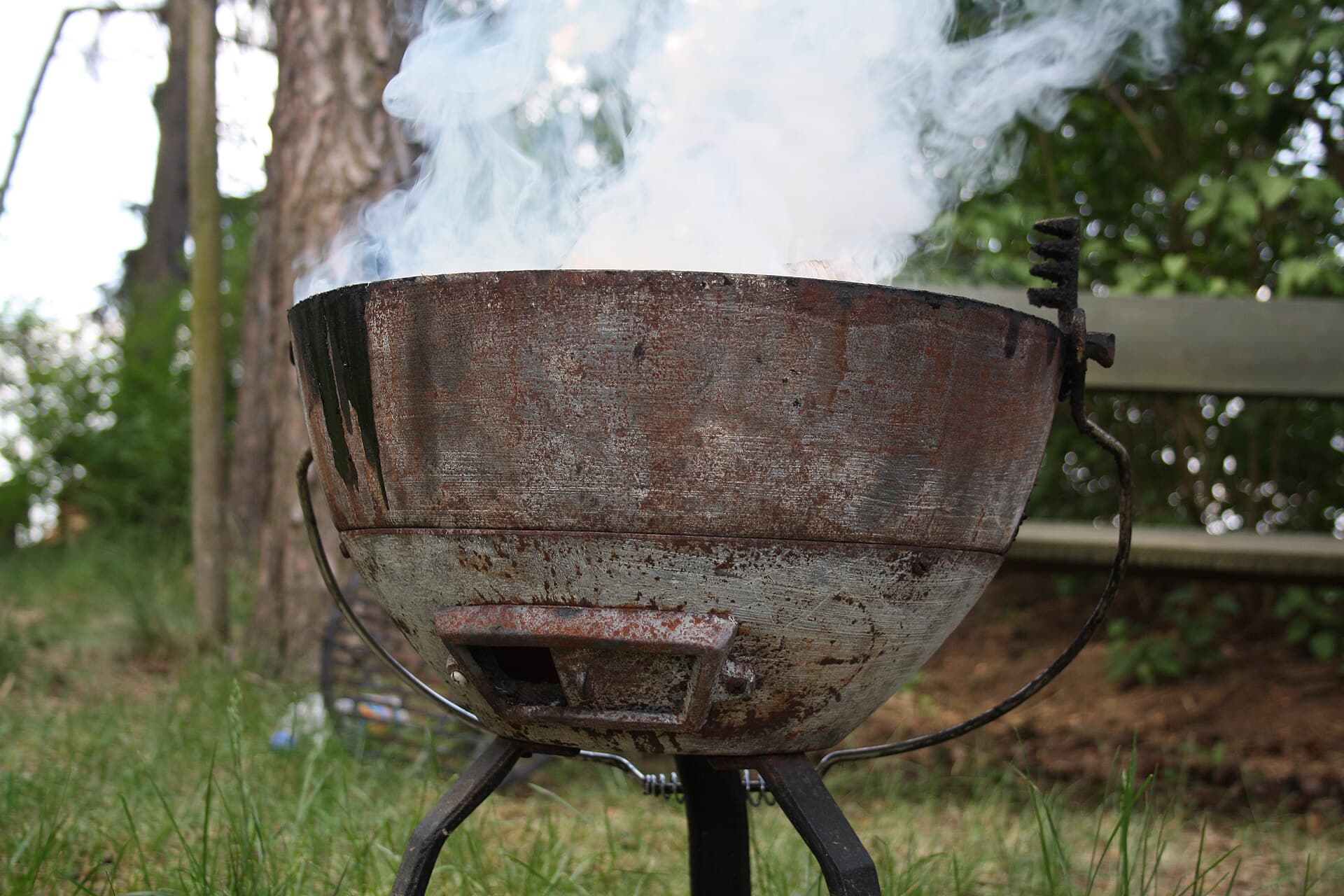
Kamado, kettle and offset smokers compared
Three charcoal and wood machines, three different fires. How ceramic kamados, kettle barbecues and offset smokers behave in an Australian backyard — heat, capacity, wind and the learning curve.
Callum Hartley · 22 March 2026
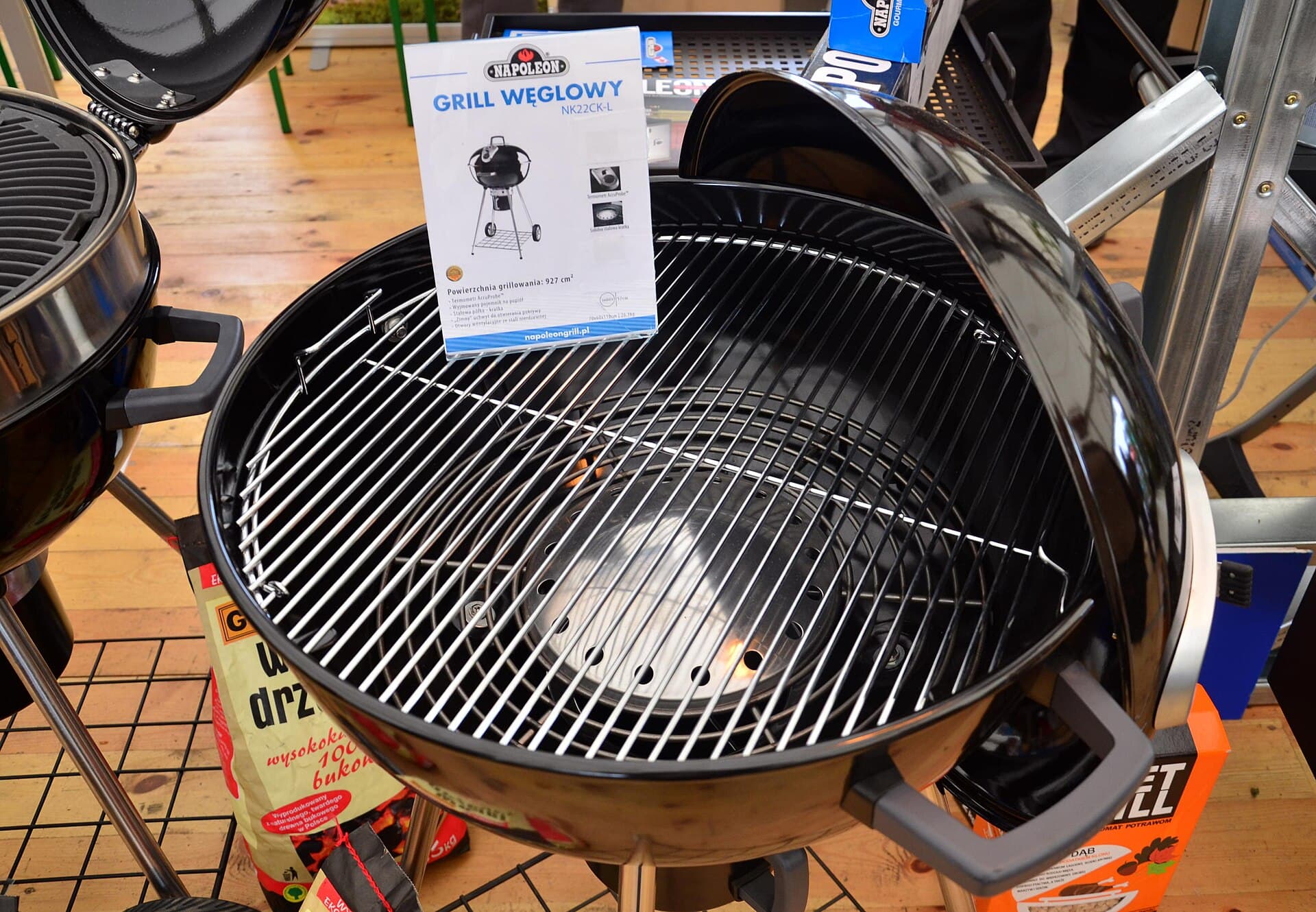
Built-in barbecue buying guide for Australia
A built-in barbecue is a wet-area renovation that happens to hold fire. Choose the head, the bench, the gas run and the drainage before anyone pours concrete.
Callum Hartley · 12 March 2026
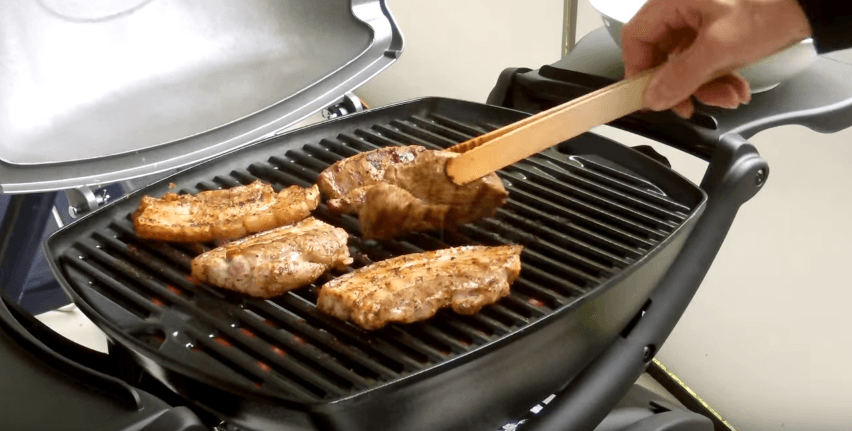
Portable barbecues for camping and caravanning
How to choose a camping or caravan barbecue that survives Australian parks, bottle rules, wind and a boot full of other gear — without buying a patio trolley by mistake.
Tom Bellear · 2 March 2026