Low and slow brisket in an Australian backyard
Texas brisket advice assumes dry air and a large offset. Australian backyards have humidity, small smokers and neighbours. Here is the honest version of the long cook.
Mina Rahman, Technique editor · 18 March 2026 · 7 min read · 1,499 words
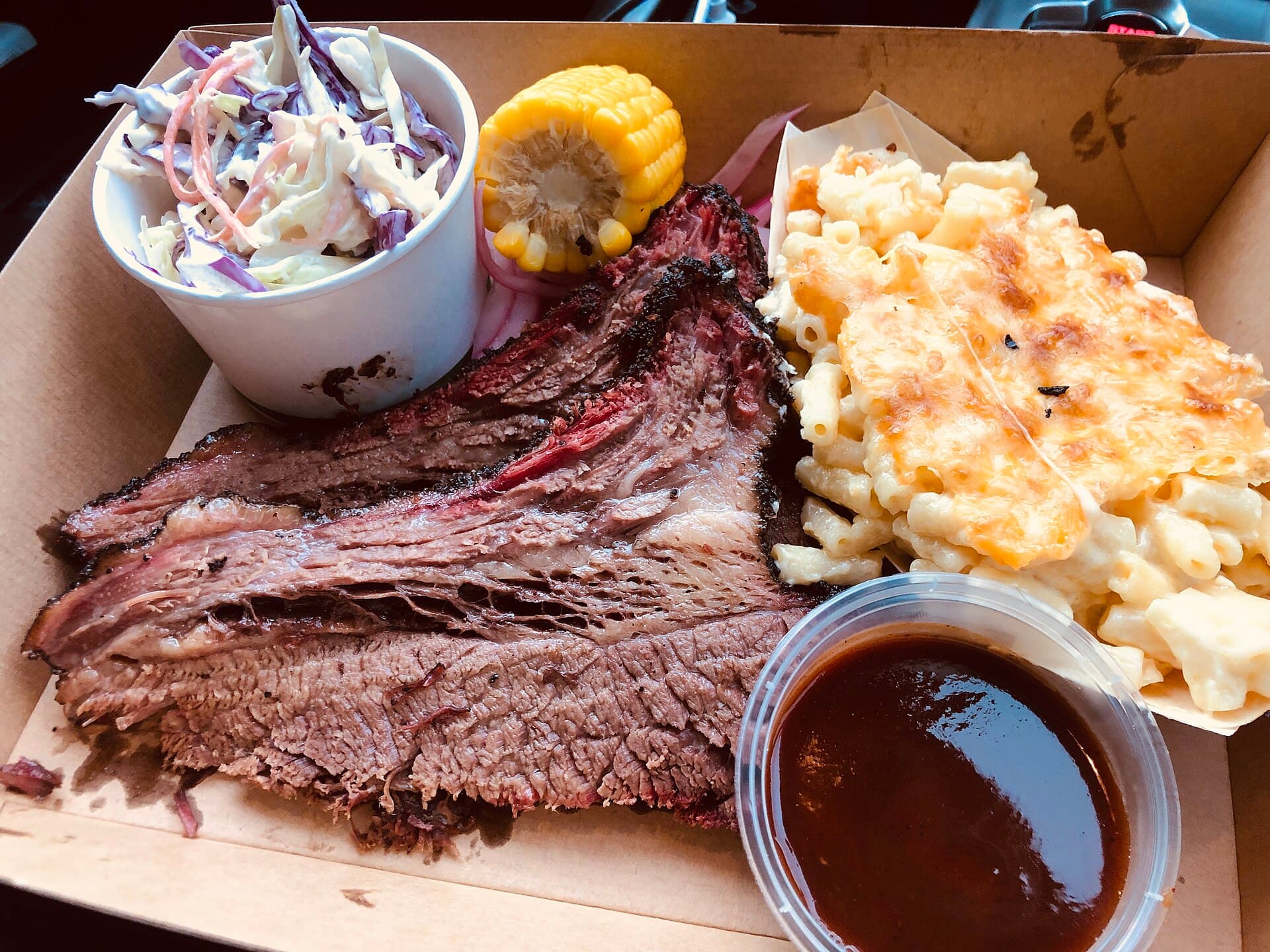
Photo: Smoked brisket in Sydney by Joditran. CC BY-SA 4.0. Source: Wikimedia Commons. See image credits.

Brisket is the cut that turns a competent Australian barbecuer into a person who talks about overnight cooks and then apologises. Try it in a Parramatta summer or a Brisbane March and the bark never sets, the small offset swings twenty degrees, and the stall lasts until midnight.
That is not a reason to avoid brisket. It is a reason to stop copying a climate we do not have. The geometry is still indirect heat held low for a long time. The honesty is about humidity, backyard-sized offsets, and whether you should start at 10 pm so you are not slicing at 3 am for a 1 pm lunch.
Why Texas advice does not transplant
Central Texas in a dry month pulls moisture off the meat. Bark forms. A large offset holds temperature while you sleep. Sydney, Brisbane and much of the east coast give you humid air. The surface stays tacky. Smoke sticks as a bitter film. A small hardware-catalogue offset leaks, and if you leave it overnight you wake to a dead fire or a 180 °C chamber.
Perth and inland New South Wales are closer to the dry ideal. Darwin in the wet is the opposite. Start from your air. If your sheets feel damp, treat bark as a problem you must solve.
The stall is not a myth. In a humid backyard it is often longer than the recipe said, and wrapping is how you get your Sunday back.
Southern winters are a different problem. A July night in Ballarat will suck heat out of a thin-walled smoker. You will burn more fuel holding 110 °C. That is manageable. It is closer to the American winter cook than a February night in Newcastle is. Winter barbecue in southern Australia is the seasonal pair to this piece.
The cut you can actually buy
Ask for a whole packer brisket if you want the classic point-and-flat roast. Many Australian butchers will look at you and then find one in the cryovac pile, or they will offer a point or a deckle-off flat. A 4 to 6 kg packer is a serious backyard cook. A 2 to 3 kg point is a kinder first attempt and still feeds a table.
Supermarket “brisket” is sometimes a thin flat with little fat. It will dry. You can still braise it in a pot on the cool side of a gas barbecue, but that is not this method. Pay for a piece with a fat cap you can trim to about 5 to 8 mm, and with some intermuscular fat in the point.
Trim the hard fat that will never render. Leave the cap. Square the edges so thin flaps do not dry into jerky. Salt it the night before if you can. A simple rub of salt, pepper and a little garlic powder is enough. Sugar is optional and more dangerous on a humid cook because it stays wet. Save the complicated rub versus marinade debate for steaks. Brisket wants a dry surface.
Bring the meat out while you light the fire, not two hours earlier on a 35 °C deck. Warm humid air on a raw packer is not a sous-vide. It is a food-safety problem you do not need.
Equipment: small offsets, kettles and kamados
A small offset will cook a brisket. It will not hold itself. Plan to sit with it, or to wake twice in the night. Burn a clean fire in the box — split hardwood or good lump, not a rubbish mix of offcuts and lighter cubes. Keep the fire small and fed, not a bonfire you starve. Thin blue smoke is the aim. White billows mean you are smouldering wet wood.
Read kamado, kettle and offset smokers compared if you are still choosing a machine. For the cook itself: put the brisket fat-side up or down according to your fire. In a small offset with harsh heat from one side, fat toward the fire can shield the meat. In a kettle with even-ish indirect heat, fat up is fine. Do not start a religion. Start a stable 110 to 120 °C chamber measured at grate level, not only on a cheap lid gauge.
A Weber kettle can do this with a snake of heat beads around the rim, a water pan in the middle, and the brisket on the grate above. You will learn vents. You will add fuel. How to light and control a charcoal grill is the lighting half. The snake is the overnight half. Keep the lid on. Every look costs temperature.
A kamado is, frankly, the easiest backyard path to overnight brisket in Australia. Once it is stable it stays stable. Use a deflector, a drip pan, and a dome around 110 to 120 °C. Do not chase smoke by stuffing the firebox with wood. A couple of clean chunks of ironbark or apple at the start are enough. Australian smoking woods lists what actually grows here. Hickory bags from a shed are fine as a class example. They are not required.
A pellet smoker is the other easy path if the hopper is full and the unit is out of the rain. The bark is softer. That is an honest trade. Pellet smokers in Australia covers the hardware. Gas can finish a wrapped brisket; it will not smoke a packer well. Smoke on a kettle and finish in the hooded four-burner if that is what you own.
Humidity, overnight cooks and the stall
The stall is the period where the internal temperature stops rising, often around 65 to 75 °C, because evaporative cooling on the surface matches the heat you are putting in. In dry air it still happens. In humid air the surface never really dries, so the stall can sit there. You will think the fire died. Probe the chamber before you panic-dump fuel.
You have three options. Wait it out, which can mean three extra hours and a soft bark. Wrap in butcher paper when the bark has the colour you want, which shortens the stall and keeps some crust. Wrap in foil, which is faster and gives a softer, more pot-roast surface. In Newcastle in February I wrap in paper more often than I would in a dry inland winter.
Overnight cooks only make sense if the machine can hold a fire. A kamado or a pellet cooker can. A small offset can if you are willing to set an alarm. A kettle snake can. Leaving a thin-walled offset unattended next to a paling fence is not toughness. It is how you meet the fire service. Check bushfire-season barbecue safety before you invent a 2 am feed on a total fire ban.
Water pans are a trade. They stabilise temperature and keep meat from drying. They also add humidity to air that already has enough. On the east coast, a half-full pan or a dry drip tray is often better than a lake under the brisket. If the bark looks like wet leather at the six-hour mark, lose the water.
Fuel, wrap, rest and slice
Hold 110 to 125 °C. Going hotter — the so-called hot-and-fast brisket around 135 to 150 °C — can work on a smaller point and will save a humid day that has got away from you. It is less forgiving on a full packer. If you are new, stay low.
Cook to tenderness, not to a single number. Many packers are probe-tender somewhere between 93 and 96 °C in the thickest part of the flat, but a number without feel is how you dry a flat. The probe should slide in with little resistance, like warm butter, in several spots. If it still pushes back at 95 °C, give it more time. If it is tender at 91 °C, take it off.
Rest is not optional. An hour is a minimum. Two to four hours in a dry esky, wrapped, with a towel only if it will not steam the bark into mush, is normal. The juices settle. The collagen keeps relaxing. Slicing hot out of the cooker floods the board and tightens the slice.
Separate the point from the flat if you have a packer. Slice the flat across the grain about the thickness of a pencil. The point can be sliced or cubed. If you have gone this far, serve it with something sharp and fresh — pickles, a slaw — not only white bread and sauce. Sauce will not hide a dry flat. It will only announce that you know the flat is dry.
A first brisket that is a bit dry on the edge and perfect in the middle is a success in an Australian backyard. A first brisket that you abandoned at the stall and finished in the oven at 160 °C, then rested, is also a success. The oven is not cheating when the offset has died and lunch is at two. The cheat is pretending our climate and our hardware are Austin.
Questions readers ask
- How long does a brisket take in an Australian backyard?
- Plan on 1 to 1.5 hours per kilogram once the cooker is stable, then add a stall that can last two to four hours, plus a long rest. A 5 kg packer is an all-day or overnight job, not a late lunch idea.
- Do I have to wrap at the stall?
- No, but wrapping in butcher paper shortens the stall and protects the bark from our coastal humidity. Foil is faster and softer. Bare is slower and riskier if the surface stays wet.
- Can I do brisket on a Weber kettle?
- Yes, with a slow-and-sear style bank or a snake of heat beads, a water pan and a tight lid. You will refuel. You will not get offset flavour, but you can get tender slices.
- Why did my bark stay soft?
- East-coast humidity and a dripping water pan keep the surface wet. Run a slightly drier chamber, wrap later, and rest in a dry esky rather than a steamy cooler full of towels.
Keep reading
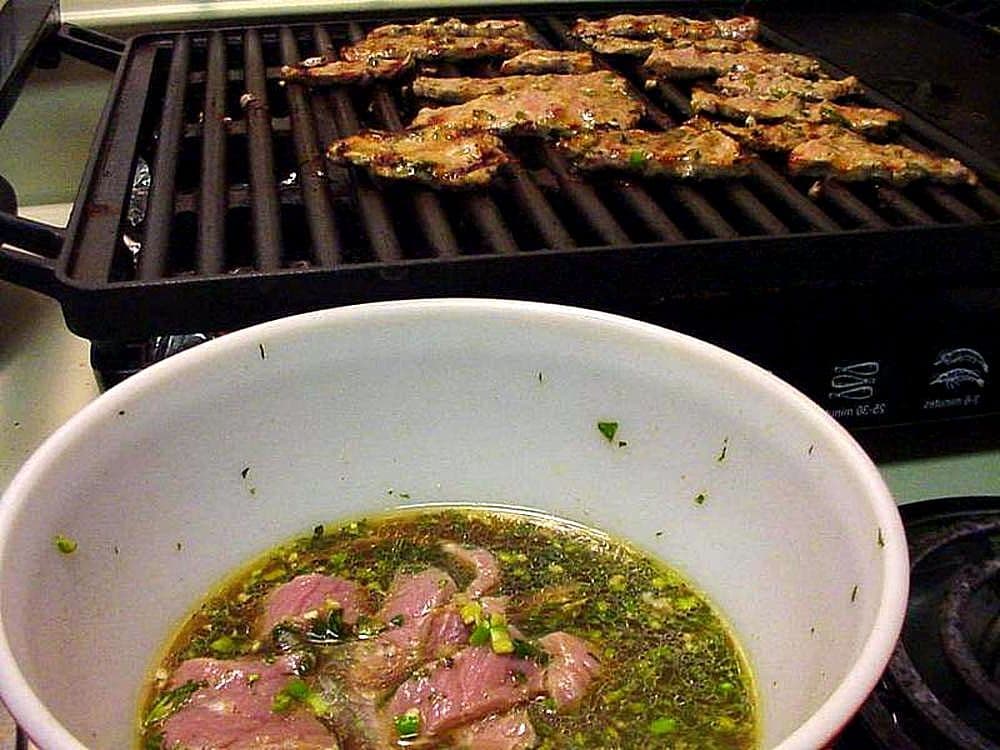
Marinades versus rubs for Australian barbecue
A rub seasons the surface and helps a crust. A marinade flavours and can tenderise the outer layer. Most Australian backyard cooks need less liquid and more salt than they think.
Jess Nguyen · 28 March 2026
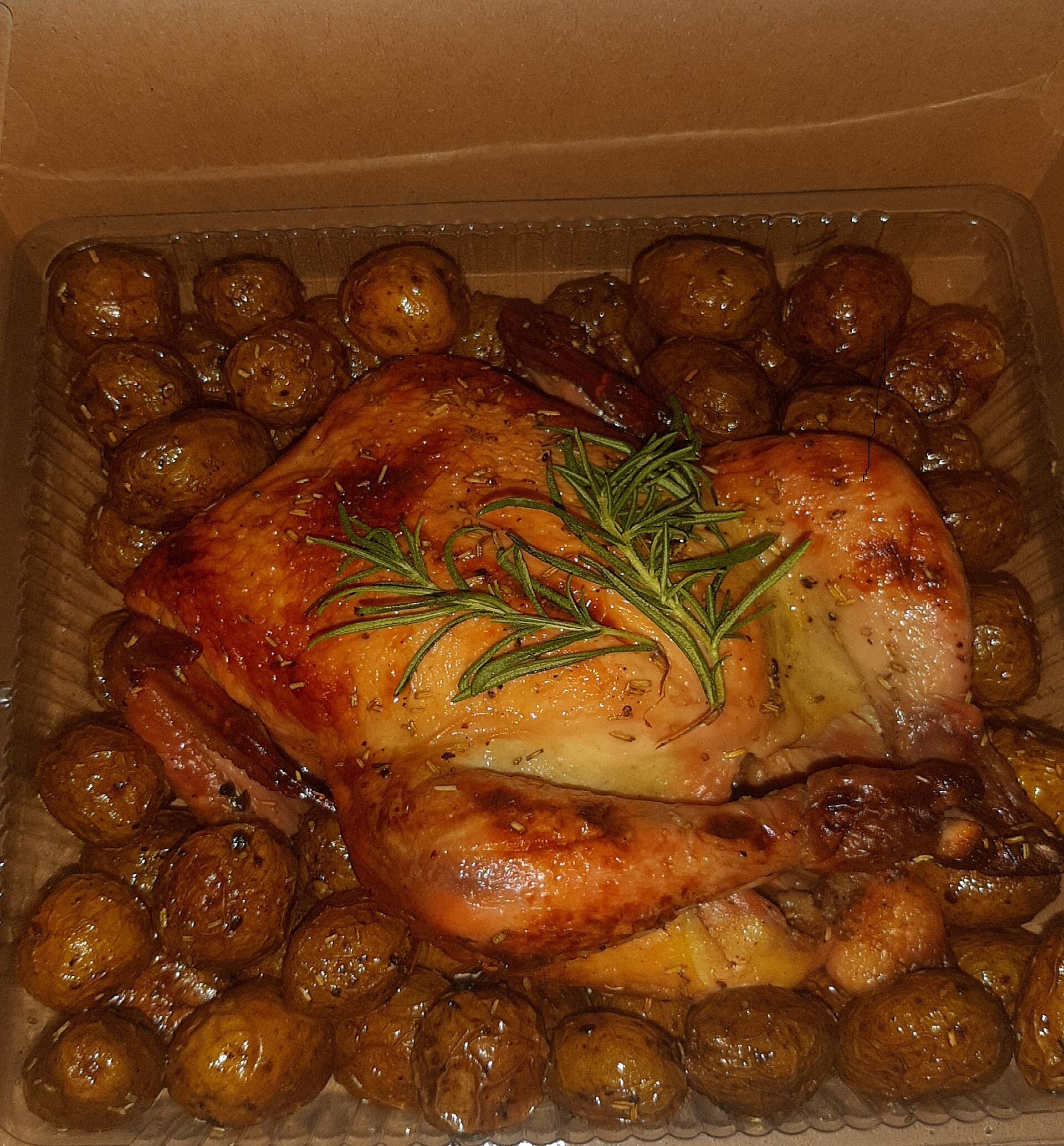
How to barbecue a whole chicken
A whole chicken on an Australian barbecue wants indirect heat, dry skin and a probe in the thigh. Spatchcock it if you would rather eat on time.
Jess Nguyen · 8 March 2026
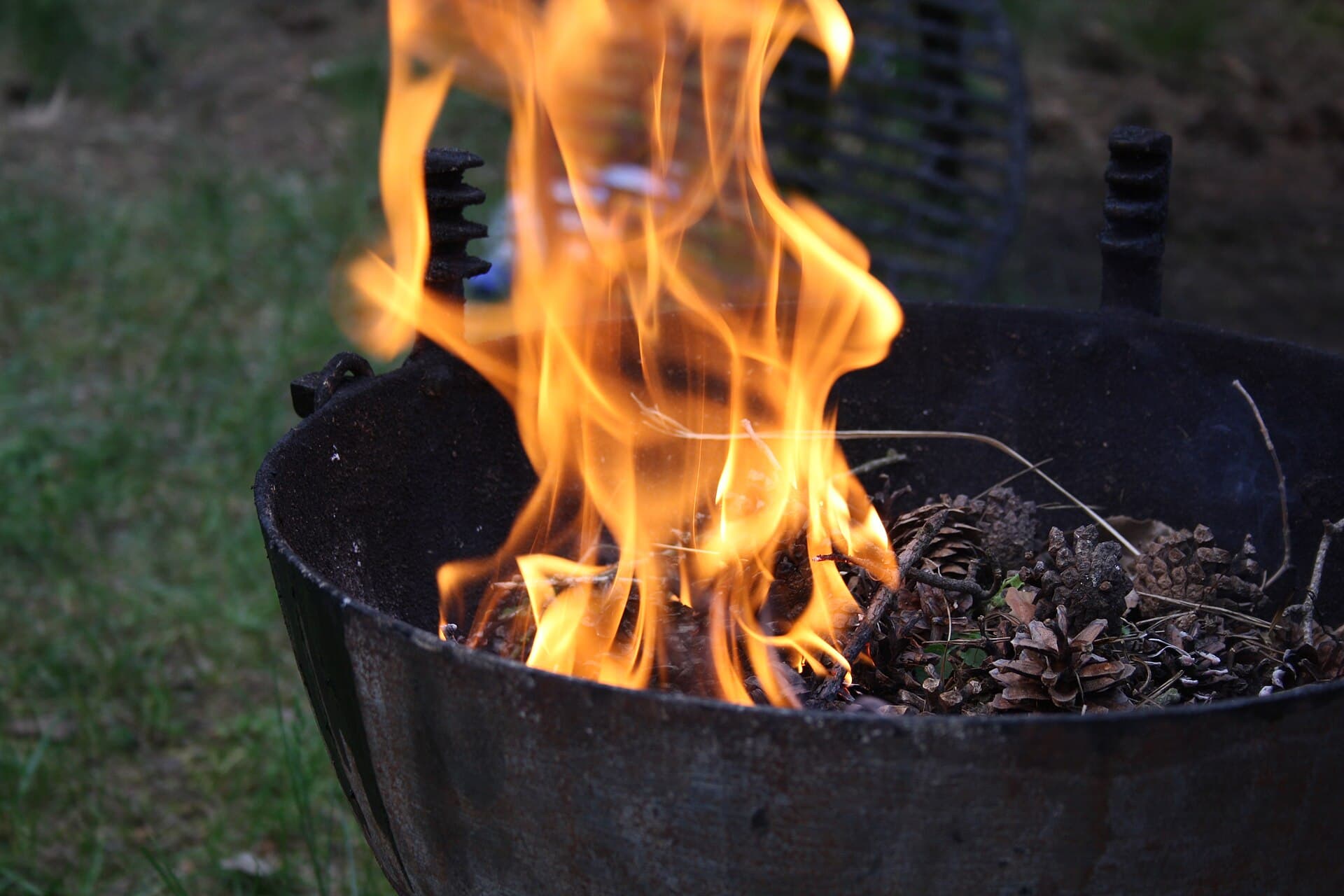
Indirect versus direct heat
Direct heat browns. Indirect heat cooks through. Almost every good barbecue meal in an Australian backyard is a conversation between the two.
Mina Rahman · 28 February 2026