Australian smoking woods, ironbark, red gum and apple
How local hardwoods actually flavour food on a kettle, kamado or offset — ironbark, red gum, apple and the woods to leave in the pile.
Tom Bellear, Outdoors editor · 1 May 2026 · 6 min read · 1,374 words
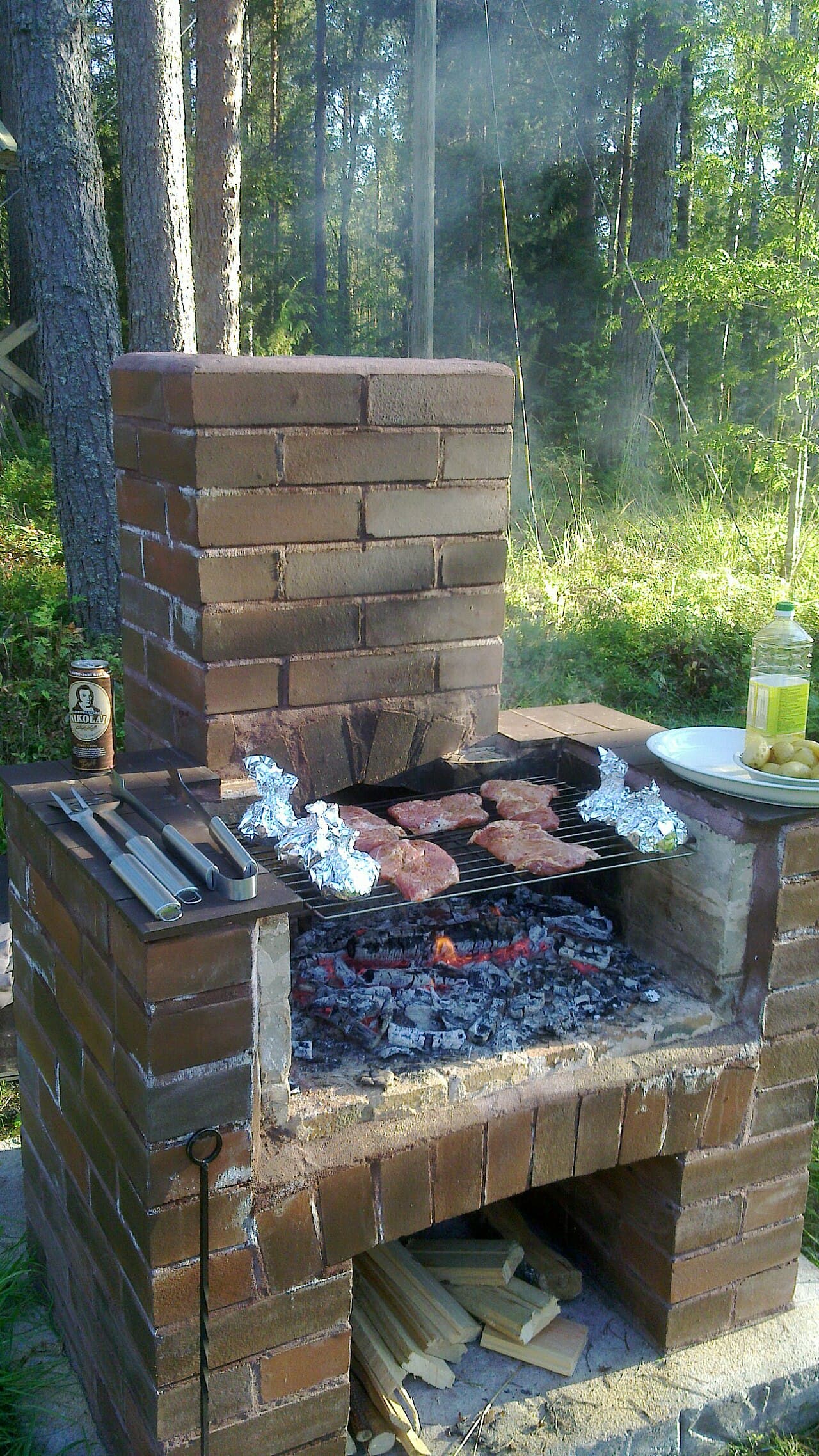
Photo: Wood-heated outdoor barbecue by Tanger. CC BY-SA 3.0. Source: Wikimedia Commons. See image credits.

Smoke is burnt timber, not a seasoning dust you sprinkle at the end. The wood you choose changes the food. The dryness of that wood changes it more.
Australia has a different pile from the American cookbook. Hickory and mesquite appear on pellet bags. In the backyard the useful names are ironbark, red gum, apple, and a short list of other hardwoods a firewood yard will actually sell.
This is a flavour and fire note, not a botany survey. Pair it with the machine you own: kamado, kettle and offset, how to light charcoal, or pellet smokers if the wood arrives as a compressed pellet.
Seasoned, dry and named
Green wood is full of water. It smoulders, it spits, and it tastes of sap. Seasoned wood has lost that water in a stack, under a roof, with air around it. End grain that has checked, a split that feels light, and a clean ring when two pieces knock are the backyard tests. A moisture meter is useful if you run an offset every week. It is not required for a handful of chunks on a kettle.
Ask for the species. “Mixed hardwood” is a heating pile. It may include something resinous. It may include something that was a pallet last year. A yard that can say ironbark, red gum, or apple is a yard you can go back to.
Never burn treated pine, fence palings, painted offcuts, chipboard, or the remains of a wardrobe. The smoke carries things you do not want on food. The same rule applies to a street-pruning pile unless you know the tree and you know it was not sprayed yesterday.
Store splits off the dirt, under cover, with the sides open. A tarp that wraps the stack will sweat them. In the wet tropics the store wants to be a cupboard, not a hopeful heap. The same climate that rusts a kettle will ruin a bag of chips. See wet-season storage for the machine; apply the same dryness test to the fuel.
If the wood hisses and weeps on the coals, it is not a flavour. It is a delay.
Ironbark
Ironbark is a dense eucalypt. It burns hot and long. The smoke is a clean hardwood note, not a sweet fruit note. It is the usual Australian answer when someone asks for a beef wood.
On an offset, ironbark splits are a working firewood. They hold a coal bed. They will run a brisket if they are dry and if you feed the box before you are desperate. On a kettle, you want chunks, not a log. A couple of fist-sized pieces on ashey heat beads is enough. More is not more. It is bitter.
Ironbark can bully pork and poultry if you run a heavy smoke for hours with a dirty fire. Keep the burn clean — thin exhaust, not a white column — and give chicken a shorter smoke window. The whole chicken will take a milder wood more kindly.
Because it is dense, ironbark is unforgiving when it is wet. A “seasoned” split that still feels heavy will sulk in the firebox and smoke like a damp campfire. Pay for dryness.
Red gum
Red gum is another eucalypt, common as firewood along the rivers and in hardware racks. It lights more readily than ironbark and burns a little faster. The smoke is still a hardwood, a bit sweeter to some palates, still not apple.
It is a good everyday offset wood and a good chunk wood for a mixed cook: beef on one side of the grate, a tray of vegetables on the other. It will do lamb. It will do a Christmas ham if you do not drown the glaze in a thick start-up smoke.
Red gum coals are useful. If you are running a firepit or a brick barbecue as well as a kettle, the same pile can feed both. Do not take that as permission to cook over the same fire you burnt the packaging on.
Watch for dirt and bark. River red gum from a careless pile can be sandy. Sand on a grate is not seasoning. Knock the splits before they go in the box.
Some yards sell “red gum offcuts” from milling. Those can be excellent if they are dry and untreated. They can also be offcuts from something else. Look at the colour and ask.
Apple and the milder pile
Apple is the fruitwood Australians can actually find. It is milder, a little sweet, and the right first wood for people who think they do not like smoke. Poultry, pork, and a tray of onions all sit well under it. Prawns want a light hand; apple is kinder than ironbark.
True orchard apple is not on every corner. Some bags are apple-adjacent fruitwood or a blend. Taste the cook, not the label. If the smoke is gentle and the bark is clean, it will do the job.
Other mild woods that turn up in Australian piles: cherry if you can get it, peach, and some acacias sold as “wattle”. Wattle varies. A named, seasoned fruitwood is the safer weeknight choice.
Pecan and hickory appear in imported chunks and in pellets. They are fine. They are not more authentic than the tree that grew here. Use them if they are what the shop has dry.
Oak, in the European and American sense, is less common as a backyard smoking wood here. She-oak and casuarina turn up as firewood; they can be astringent. Try a small chunk on a practice cook before you commit a shoulder.
How much wood, and in what shape
A kettle or kamado wants chunks. Two or three pieces the size of a small fist, added to ashey coals, will smoke a chicken or a rack. Chips burn fast and often flame. If chips are what you have, soak them only if you need to slow a flare; wet chips also delay smoke. Many cooks are happier with dry chips in a foil pouch that has a few holes, sat on the coals, not in a pile that catches.
An offset wants splits. A split is a log opened along the grain so it lights and airs. Feed the firebox before the temperature falls off a cliff. A dying fire that you then stuff with wood will billow. That billow is the dirty flavour people blame on the species.
Pellets are a different format. The species on the bag is a hint. Dryness and a clean pot matter more. Do not pour backyard chips into a pellet hopper. You will jam the auger. Read the pellet piece.
A brick or steel wood barbecue — the sort in the hero photograph of a chimney and a grate over coals — is a coal bed first. Burn the wood down, then cook. Flames licking a chop are not “wood-fired flavour”. They are a flare. The same direct and indirect rules apply.
Pairing without folklore
Beef, especially a long cook: ironbark or red gum, clean fire, patience.
Lamb: red gum or a mixed hardwood, or apple if you want it gentler for a Australia Day cut.
Pork and poultry: apple first, red gum if that is what is dry.
Seafood and cheese: almost no wood, or a single apple chunk. The food is delicate. Smoke is not a sauce you can scrape off.
Vegetables and bread: a light hardwood, or the residual smoke from the meat cook. They pick up more than people expect.
These are starting points, not laws. A dirty ironbark fire will taste worse than a clean apple fire under the same brisket. Learn to burn clean before you collect species like vinyl.
Bushfire bans still apply. Wood is solid fuel. On a banned day the pile stays in the shed and the gas trolley, if it is legal, does the dinner. Bushfire-season barbecue safety is the rule, not a mood.
If you are still choosing the machine that will burn this wood, the buying guides will send you to a kettle, a kamado or an offset. Buy the wood after you have a dry place to put it. A beautiful species in a wet bag is just a future jam in the firebox.
Questions readers ask
- Which Australian wood should I start with?
- Apple or another mild fruitwood for poultry and pork, ironbark for beef if you want a stronger hardwood note. Buy seasoned splits from a firewood yard that will name the species.
- Can I burn wood from the nature strip?
- Only if you know the species, it is untreated, and it is dry. Street trees can be sprayed, painted or still green. A mystery log is a poor way to flavour a brisket.
- How long should smoking wood be seasoned?
- Hardwood splits want many months under cover, not a week on the patio. The wood should ring, show cracks on the end grain, and feel light for its size.
- Do I need chunks, chips or logs?
- Chunks on a kettle or kamado, a log or a split in an offset firebox, chips only if you can keep them from flaming and dying in ten minutes. Match the size to the fire, not to the bag art.
Keep reading
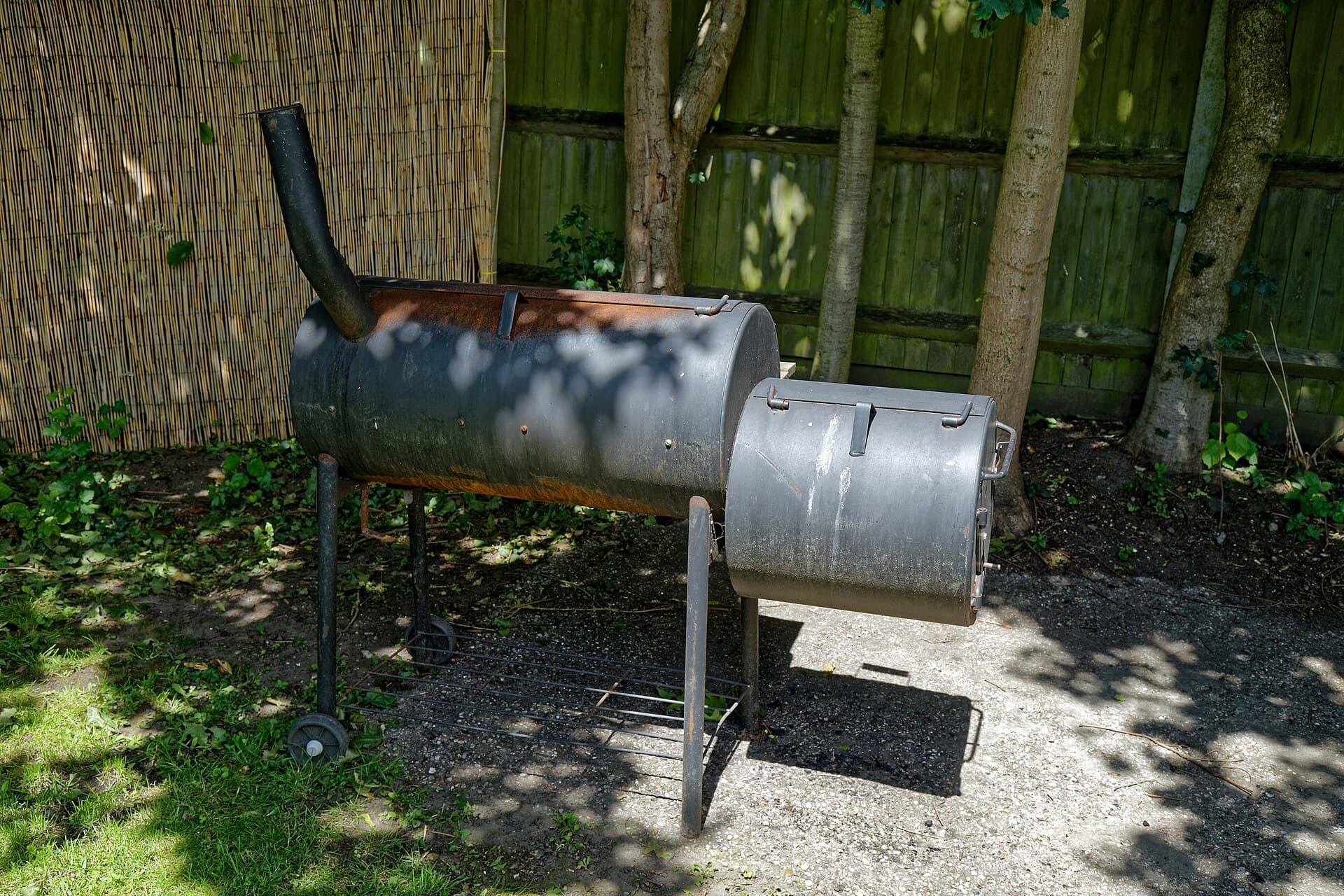
Hood versus open grill in Australian wind
A hood is a lid that turns a grate into a small oven. An open grill is a fire you stand over. Wind decides which one still cooks in an Australian backyard.
Mina Rahman · 12 May 2026
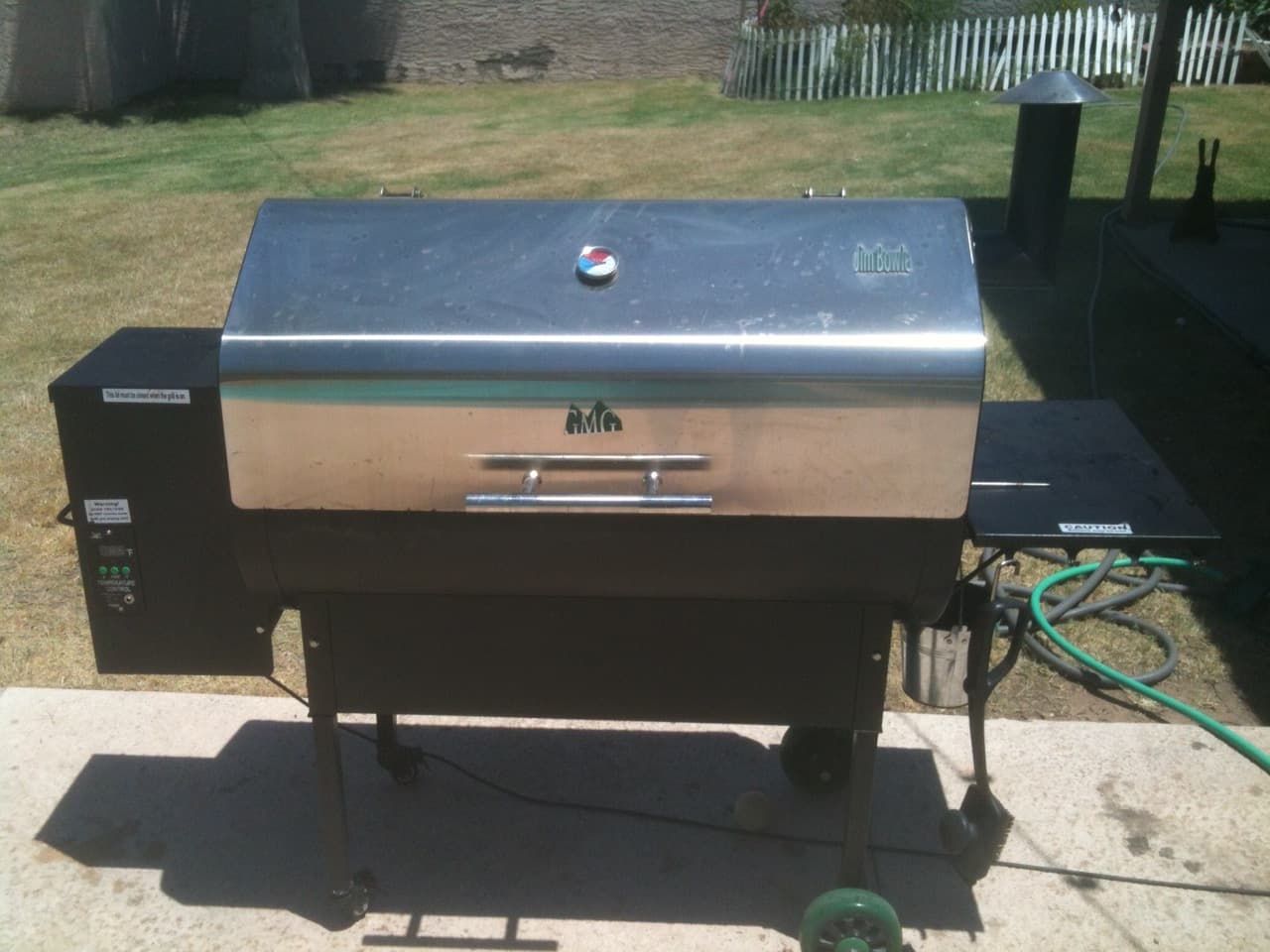
Pellet smokers in Australia
A pellet barbecue is an electric wood fire. What electricity, humidity, pellet supply and bushfire bans do to that idea in an Australian backyard.
Callum Hartley · 20 April 2026
How to light and control a charcoal grill
Light heat beads or lump without a lake of fluid, then run vents and zones so an Australian kettle or kamado holds the heat you asked for.
Mina Rahman · 10 April 2026