Australia Day lamb on the grill
Lamb chops for the impatient, a butterflied leg for the table, and salads that survive January. Light early, watch the fire bans, and do not cook through the worst of a heatwave.
Jess Nguyen, Food editor · 12 January 2026 · 6 min read · 1,437 words
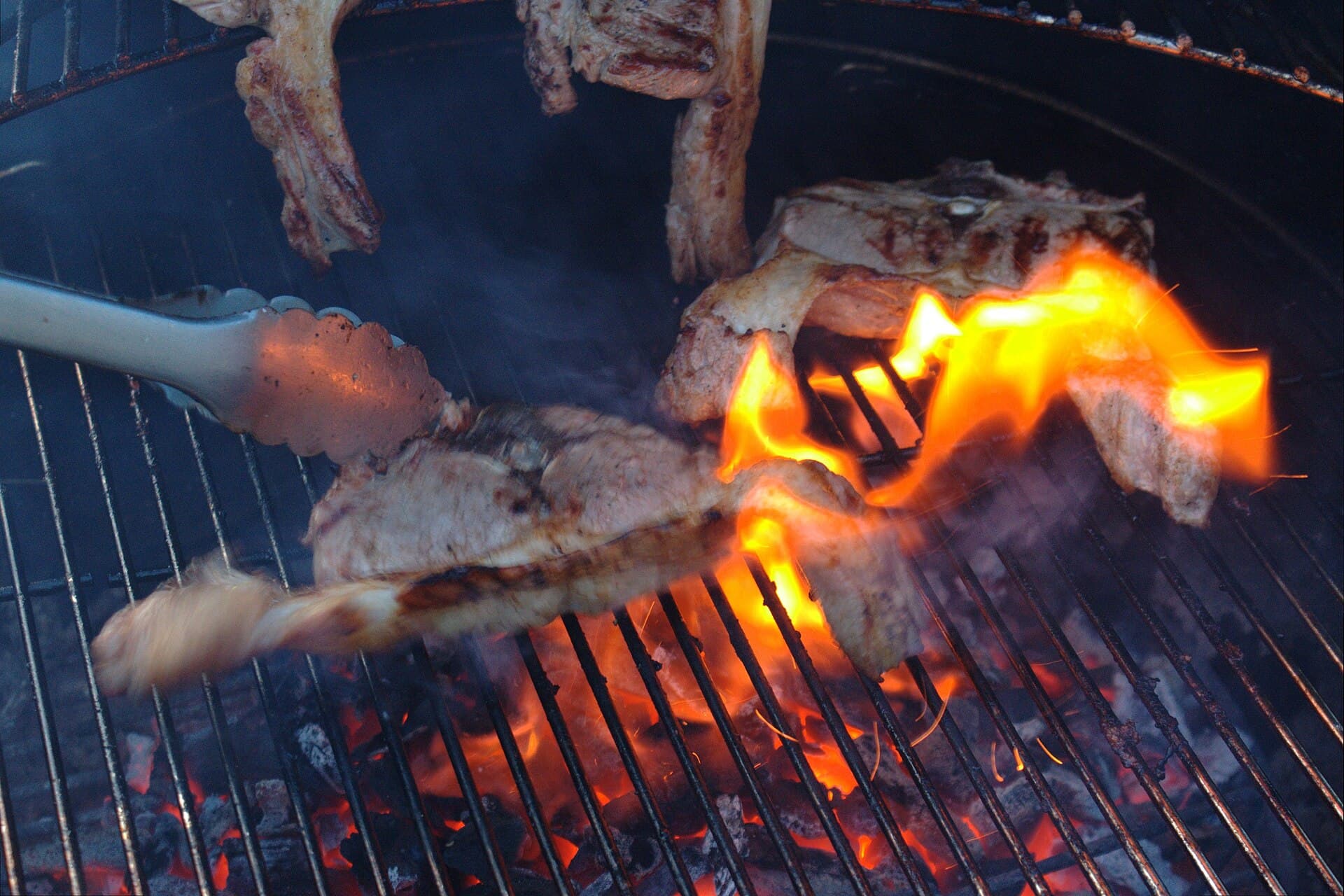
Photo: Lamb chops on a barbecue by domdomegg. CC BY 4.0. Source: Wikimedia Commons. See image credits.

Australia Day lunch is a timing problem dressed as a menu. Treat chops and a butterflied leg as two different fires. The hard parts are the heat, the fire bans, the salads that wilt on a 38 °C deck, and the people who arrive hungry while the leg is still at 48 °C.
If you would rather cook seafood or a vegetarian spread, do that. The seasonal warnings stay the same. Temperatures are Celsius. If two-zone fire is still fuzzy, read indirect versus direct heat first.
Why lamb belongs on this date
Lamb is a fast red meat. A loin chop is done in minutes. A butterflied leg is done in under an hour if the butcher opened it. That suits a public holiday too hot for a three-hour oven roast.
Lamb likes yoghurt, lemon, garlic, mint, cucumber and tomatoes — January food. Loin and chump chops are the weeknight cut scaled up. Cutlets cook even faster. A butterflied leg is the sharing cut. Shoulder wants a long cook, and a January afternoon is a poor time for that.
Chops feed the people who cannot wait. The leg is for when they sit.
Trim only the hard, thick fat. A little fat on a chop is flavour and insurance. A woolly cap of fat on a leg will flare and then taste like a grease fire. Your butcher will butterfly a leg if you ask on the 24th. Do not ask on the morning of the 26th.
Chops over direct heat
Chops are the first wave. They feed the people who cannot wait, and they teach you whether today’s grate is honest.
Salt them 30 to 40 minutes ahead, or overnight if they are thick. A yoghurt marinade is welcome if you scrape the excess off. Oregano, lemon zest, pepper and a film of oil are enough if you are tired. Pat them dry. Wet chops steam, then stick.
Use direct heat. You want a grate hot enough to mark in a minute. Leave a cool side. When fat flares, the chop moves left for ten seconds, then back. Do not spray the fire. Flare-ups are how a festive lunch becomes a story you tell at work.
Loin chops about 2 cm thick often want two to three minutes a side for medium-rare. Cutlets want less. Chump can want a little more. Probe if the chops are thick; 54 to 56 °C and a rest is the target we use. Rest them on a warm platter, not in a pile that steams the crust. Tent loosely if the wind is mean.
Cook in batches. A crowded grate stews the meat. Hold the first batch on the cool side with the hood up. Snags go there after they take colour. Light early.
Butterflied leg
Open the leg out so it is roughly even. It will not be even. That is fine. The thin flaps will be more done and become the slices for people who want well-done lamb. The thickest muscle is the one you probe.
Season it like you mean it. Yoghurt, garlic, lemon, cumin and salt overnight is the version we cook most. A dry rub of salt, pepper and rosemary is cleaner if you want a crust. In both cases, bring the surface to tacky-dry before it hits the barbecue. A dripping leg on a grate is a flare and a pale surface.
Cook it on the cool side, hood down, at about 180 to 190 °C. A 2 kg butterflied leg often wants 35 to 55 minutes to reach the mid-50s °C in the thickest part. Then give it a few minutes of direct heat if the surface is shy. Rest 15 minutes. Slice across the grain, which on a boned leg means looking twice.
This is not a reverse sear steak, but the idea is cousin: gentle heat for doneness, fierce heat for the outside, then a rest. If the day is windy and the hood will not hold 180 °C, be patient rather than turning every burner on and scorching the garlic.
A bone-in leg can use the same indirect set-up, but slicing it for twelve in the sun is a chore. We prefer butterflied.
Salads that survive January
The salad is half the meal. If it is a bowl of dressed leaves, it will be soup by two o’clock.
Build on things that can sit: cucumber, tomato, red onion, cooked grains, chickpeas, roasted beetroot that you did this morning before the day warmed up, a cabbage slaw, grilled zucchini held at room temperature. Dress leafy things at the table, not at 11 am. Keep the dressing in a jar in the esky.
A yoghurt and cucumber sauce belongs next to lamb. Mint belongs in it. Garlic belongs in it in a quantity you will still want to speak after. That sauce can live in the fridge until service.
Bread should be the last thing you grill — a quick toast on the cool-ish side — so it does not sit like a cracker. Fruit is an underrated Australia Day side. Watermelon with salt and a little feta does not wilt. It does drip. Give it a tray.
If you have vegetarians at the table, they are not an afterthought tray of supermarket falafel. Put halloumi and a pile of vegetables on the grate with the same care you gave the lamb. The dedicated vegetarian barbecue method is the one to follow, and it can run on the same two-zone fire.
Drinks and shade are food. An esky in the sun is a warm bath by 1 pm. Put it in the shade, put a towel over it, and stop opening it for one can at a time if you can help it. People who are too hot do not eat the lunch you cooked.
Heatwave and fire-ban caveats
January is when this menu meets the climate. A 40 °C western Sydney afternoon is a logistics problem. The lamb will cook faster than it did at Easter. The rest will carry over more. You will not want to stand at a hood. Start in the morning or late afternoon. Do not schedule a 1 pm reverse-sear energy cook if the forecast is brutal.
Read cooking through an Australian heatwave and treat it as part of the recipe. Keep raw meat cold. Keep cooked meat in the shade, not on a black table in full sun. If the lunch is long, you may need a second smaller cook rather than one giant platter that sits out for three hours.
Fire bans change the fuel. On a total fire ban, charcoal, wood and some gas set-ups are restricted depending on the state and the location. Check the local fire service on the morning, not the week before. Bushfire-season barbecue safety is the longer version. Have an oven plan for the leg. Chops can be done in a heavy pan. It is not a failure of national character to cook indoors when the grass is tinder.
Wind on an open grill will burn one side of a chop and leave the other raw. Use the hood. If you only have a hotplate, cook in batches and accept that you are making diner chops, which can still be good if you do not walk away.
A simple service plan
The night before: salt the leg or put it in yoghurt. Salt the chops or bag them. Make the sauce. Make the slaw. Chill drinks.
The morning: butterfly anything still whole. Set out tools, a board, foil, a probe. Check the ban. Decide the start time from the forecast, not from optimism.
Ninety minutes before you want to eat: light the barbecue. Start the leg on the cool side. Put bread, tomatoes and plates in the shade.
Thirty minutes out: rest the leg if it is already at temperature, or keep going. Start the chops in batches. Toast the bread. Dress the leaves.
At the table: slice the leg, put the chops on a warm platter, put the sauce down, and sit. The person who cooked should eat. A host who keeps “just doing one more tray” is how the lamb goes cold.
If this lunch is really a crowd, the rest of the thinking lives in how to host a backyard barbecue for a crowd. The lamb does not change. The eskies, the shade and the second pair of tongs do.
Australia Day lamb is not a performance. It is chops when people are hungry, a sliced leg when they sit, and the sense to stay out of the worst of the day.
Questions readers ask
- What internal temperature should I cook lamb to?
- We pull chops around 54 to 56 °C for medium-rare and a butterflied leg at 55 to 58 °C in the thickest part, then rest. Well-done lamb is better as a thinner chop you do not leave on until it is grey.
- Can I cook a bone-in leg on the barbecue?
- You can, on indirect heat, but it takes longer and the bone makes probing fiddly. A butterflied leg is the Australia Day cut because it cooks evenly and slices for a crowd.
- What if there is a total fire ban?
- Follow your state’s rules. Many bans restrict open flame and solid fuel. A gas barbecue may still be allowed in a cleared backyard in some areas and not in others. Check on the day, and have an oven plan.
- How much lamb do I buy for ten people?
- About 2 to 2.5 kg of chops if lamb is the only meat, or a 2 kg butterflied leg plus a tray of snags and a vegetarian plate. People eat less meat when the salads are actually good.
Keep reading
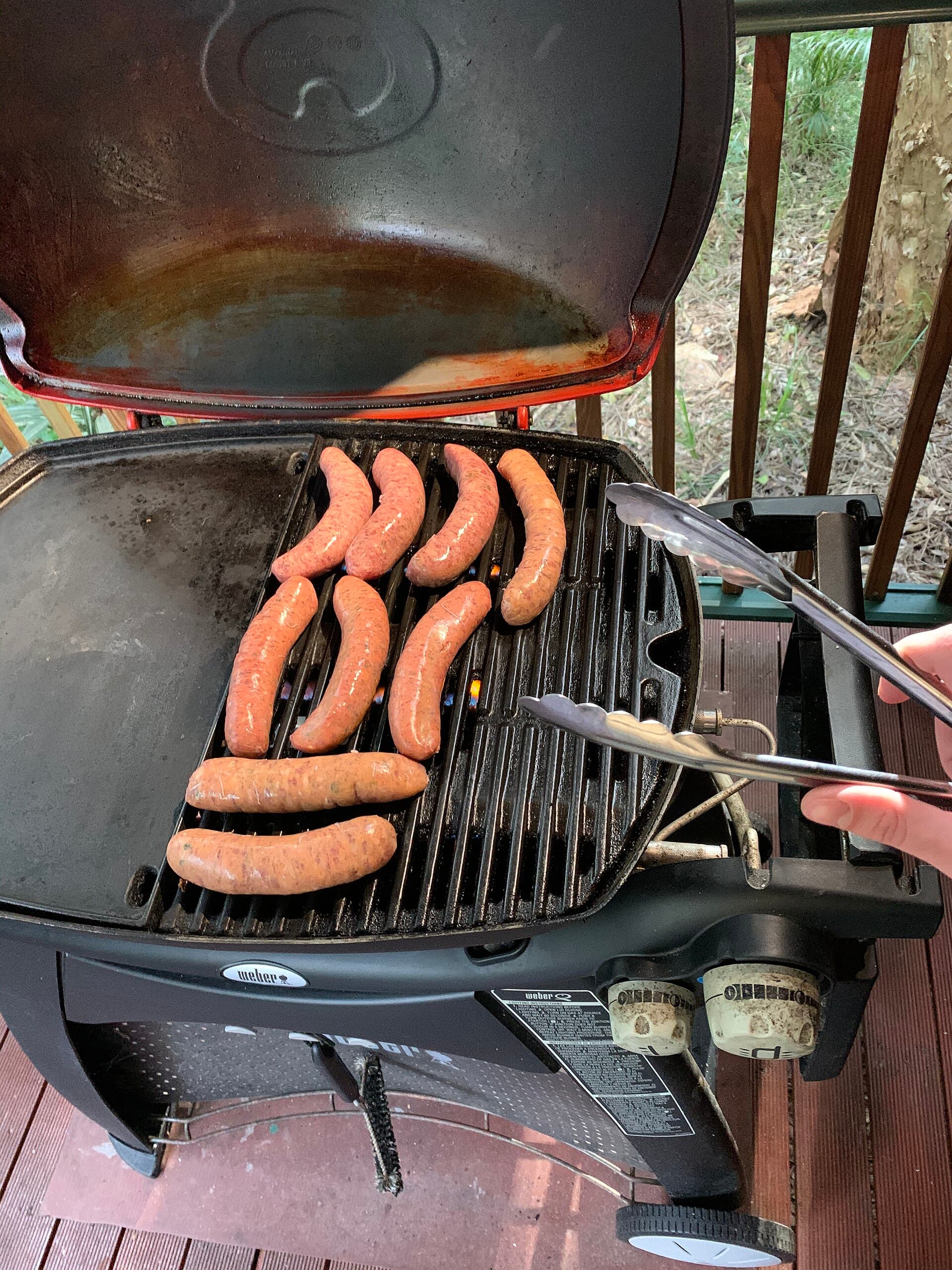
How to host a backyard barbecue for a crowd
Feeding a crowd on an Australian barbecue is a sequencing problem. Two zones, a short menu, cold drinks in the shade, and a plan for who eats when the first tray is ready.
Jess Nguyen · 16 April 2026
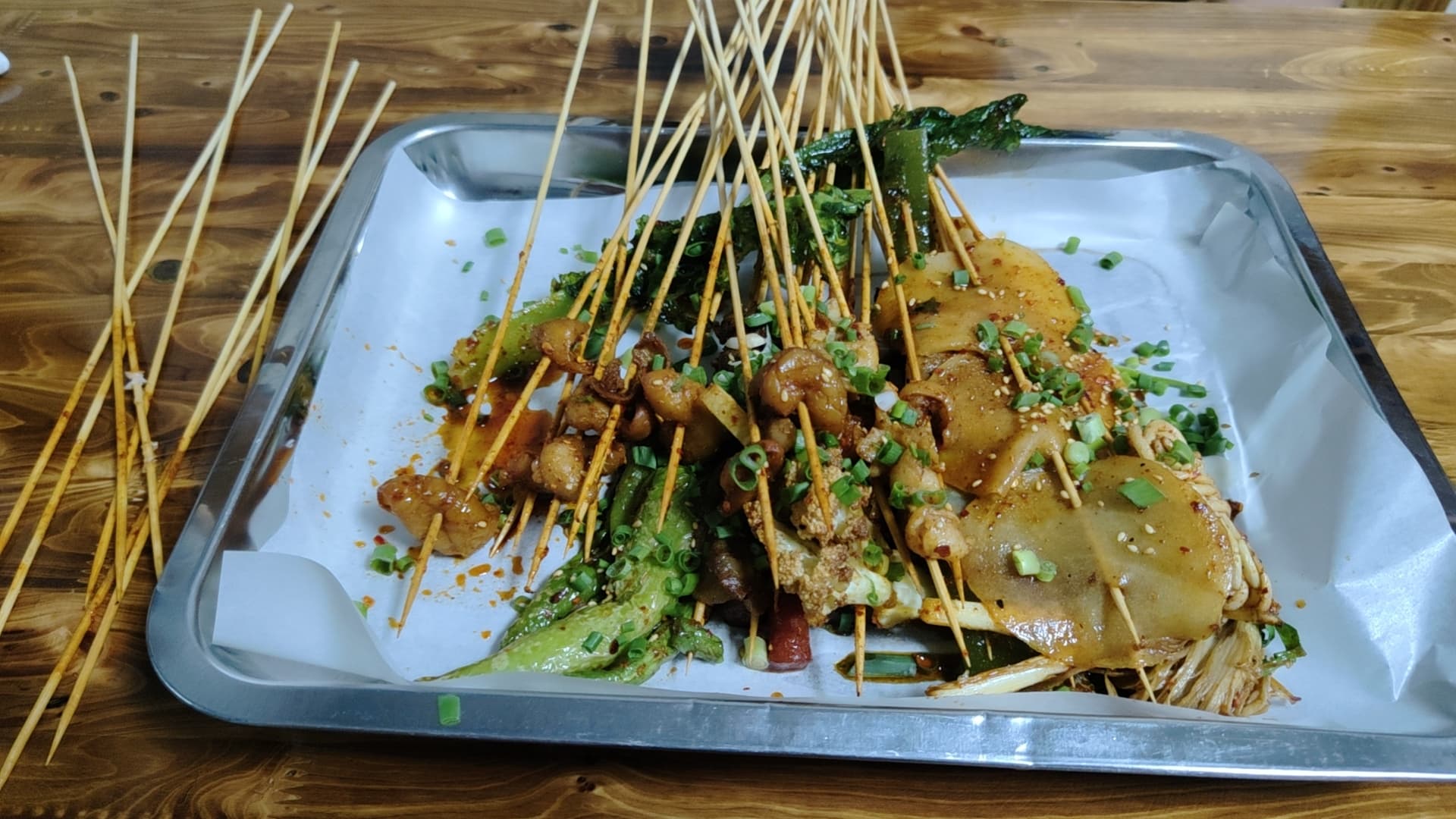
Vegetarian barbecue halloumi, mushrooms and vegetables
Halloumi, mushrooms and firm vegetables can be the whole barbecue, not a sad side. Give them two zones, oil, salt and the same attention you would give a chop.
Jess Nguyen · 6 April 2026
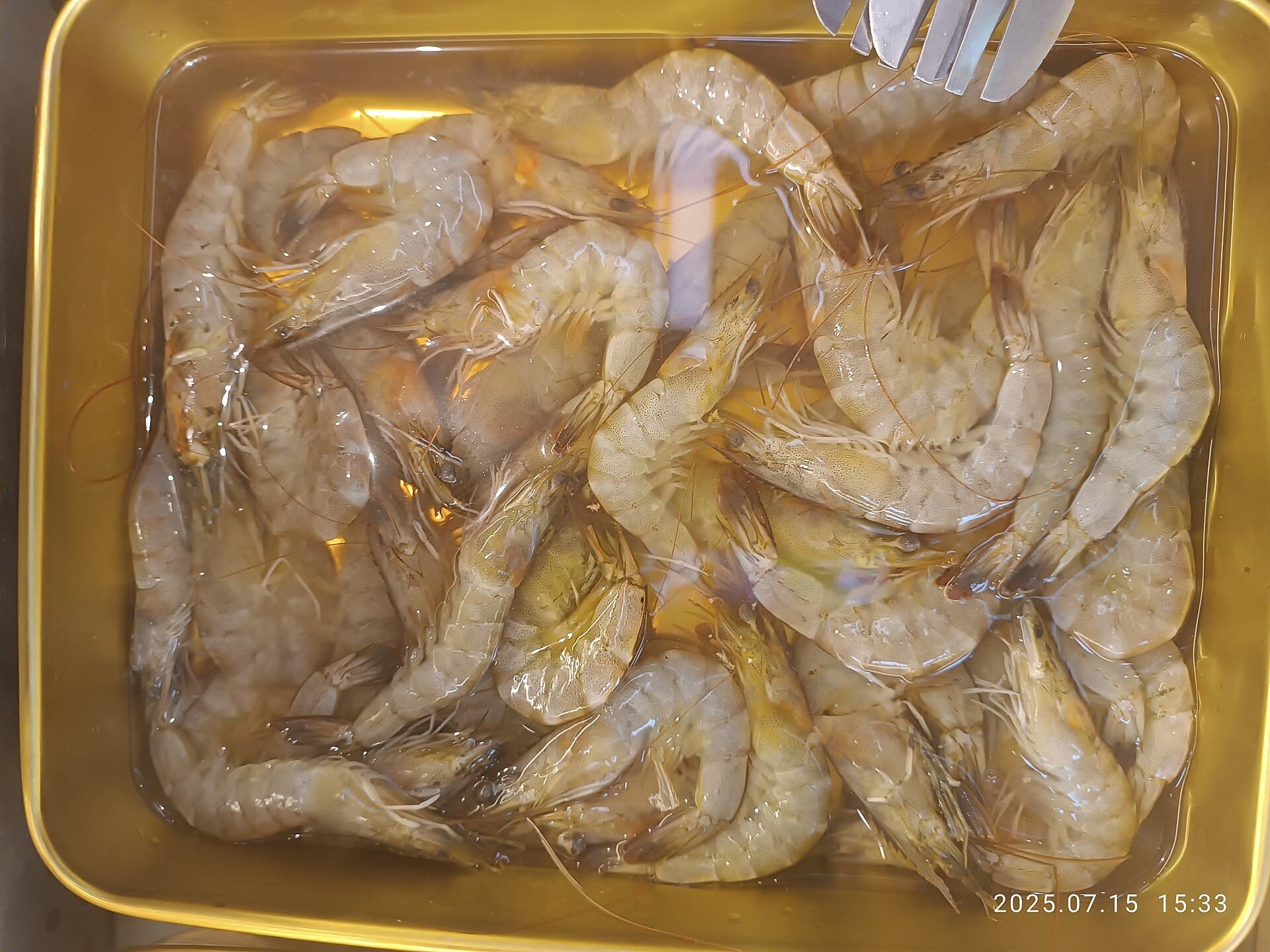
Seafood barbecue prawns, barramundi and bugs
Prawns, barramundi and bugs like a clean hot grate, a little oil and a short cook. Buy them cold, dry them, and take them off the fire as soon as they turn opaque.
Jess Nguyen · 22 January 2026