How to host a backyard barbecue for a crowd
Feeding a crowd on an Australian barbecue is a sequencing problem. Two zones, a short menu, cold drinks in the shade, and a plan for who eats when the first tray is ready.
Jess Nguyen, Food editor · 16 April 2026 · 6 min read · 1,379 words
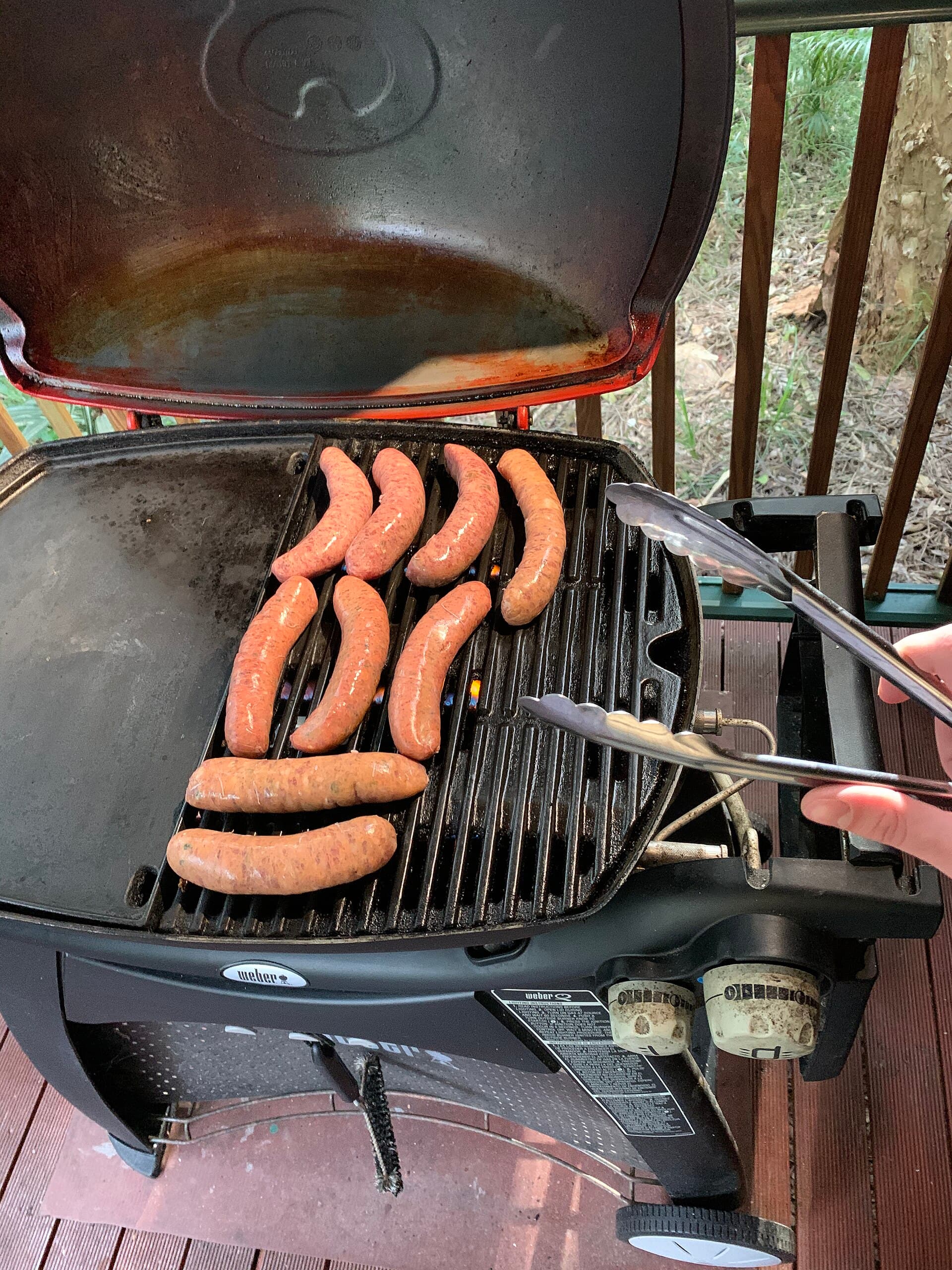
Photo: Sausages cooking on a barbecue by Hillsta. CC BY-SA 4.0. Source: Wikimedia Commons. See image credits.

A backyard barbecue for two people is cooking. A backyard barbecue for twelve is logistics that happens to include a fire. The sausages in the photograph are the honest picture: rows, batches, a grate that is only so large. The host who tries to reverse-sear six steaks, glaze a ham and toast twelve bread rolls at 1 pm on the same four burners will feed people badly and late.
This is a recipes-hub piece because the food still has to taste like something. It is also a hosting piece because the food will fail if the shade, the esky and the sequence fail. Read it next to Australia Day lamb and the vegetarian barbecue. Those are menus. This is how you run them when the garden is full.
How many people the grill can actually feed
Count grate space, not invitations. A typical four-burner hooded barbecue has a useful cooking area that looks large until you put a butterflied lamb and a tray of vegetables on it. A Weber Q will feed six if you batch and hold. A six-burner built-in will feed more, and still will not sear twelve steaks at once.
Decide what “eat at the same time” means. A standing afternoon of chops, snags and salads can run in waves. A sit-down lunch cannot. If you want everyone seated in front of sliced meat at 1:30, you need food that rests — a butterflied leg, a whole chicken, a ham — plus a last wave of something fast. If you want a rolling graze, you can live on batches.
Two proteins and one vegetarian main is enough. Three meats, garlic bread, prawns, and a pudding on the hood is not a menu. It is a queue. Snags are the flexible extra because they hold on the cool side. Steaks are the inflexible extra because they do not.
Write a shopping list by the plate, not by optimism. Twelve adults might eat 250 to 350 g of raw meat each if that is the centre of the meal, less if the salads are real. Children eat irregularly. Leftovers are cheaper than a second emergency shop at 2 pm on a Saturday.
A menu that uses two zones
If you do not already think in zones, stop and read indirect versus direct heat. The crowd version is simple. The cool side is for the large thing and for holding. The hot side is for colour and for the last-minute items.
A workable lunch: one indirect roast (chicken, butterflied lamb, or a tray of stuffed mushrooms), one direct item that can batch (chops, halloumi, prawns), sausages as filler, two salads that can sit, bread, a sauce. That is a complete table.
A workable afternoon: snags and onions on the plate, a bowl of slaw, bread, mustard, and a late tray of prawns if the budget stretches. This is the sausage photograph. It is not lesser. It is how most Australian crowds actually eat.
Do the long cook first. While it rests, you have the grate back. Then the batches. Then the bread. Then you sit down. The host who starts with the bread has no space and a garden full of people eating butter.
Sweet glazes and bottled sauces belong at the end of each batch, not in a puddle under everything. They burn, they smoke, and they make the next batch taste like the last. Marinades versus rubs is worth a look the day before, not at 11 am with a crowd arriving.
Pre-chop. Pre-dress the slaw. Pre-salt the meat. The morning is for fire and assembly, not for finding a clean board.
Timing, eskies and shade
Work backwards from when people will be hungry, which is earlier than the invitation said. Light the barbecue 30 to 45 minutes before the first food needs to go on. Charcoal needs more notice than gas. If you are still learning that fire, how to light and control a charcoal grill is the weekday practice, not the party trick.
Shade is a food-safety tool. A raw tray in the sun is a mistake. A cooked platter in the sun is a mistake that lasts longer. Put a table in the shade for food. Put the esky in the shade. Put a second smaller esky for drinks so the food esky is not opened every four minutes.
Ice is a shopping-list item, not a hope. One bag is not enough for twelve people on a warm April afternoon. Drain meltwater so the snags are not swimming. Keep raw juice away from washed salad. Use separate tongs for raw and cooked. These are dull sentences and they are the ones that matter.
Drinks can be as simple as water, beer and something non-alcoholic in a marked jug. A cocktail station next to a hot barbecue is how people back into a cart. Keep the fire path clear. Kids and dogs do not understand the cool side.
Seating does not have to be a dining table. It does have to exist. People eating standing over a plate of chops will hover at the grate and talk to you while you try to probe a chicken. Give them somewhere else to be.
Allergies, vegetarians and the quiet guest
Ask. A message that says “any allergies, and who does not eat meat” is hospitality. Inventing a plate at 1 pm from bread and tomato is not.
Cook the vegetarian food as food, not as a garnish. Halloumi and mushrooms on the hot grate, with a sauce, is a main. A lonely skewer at the back is an insult. Follow the vegetarian barbecue method and give it time on the fire, not the last three minutes of residual heat.
Keep a separate tray if cross-contact matters to someone. You cannot promise a sterile backyard. You can promise you did not cook the tofu in yesterday’s lamb fat on purpose.
Have a bit more food than the exact headcount. Have a bit of it not be meat. Have it ready before people are quiet in that particular way that means they are starving.
If you are the only cook, assign jobs that are not the fire: ice, plates, the person who tells you when the first tray is empty. Two people at one small grate is how tongs disappear.
Safety, fire bans and the end of the day
Check fire restrictions the morning of, every time, in the warm months. Bushfire-season barbecue safety is the longer read. A total fire ban can end a charcoal plan. A gas plan can still be legal or not depending on where you live. Have an indoor fallback for the roast. Nobody needs you to be the person who lit a kettle against advice.
Keep a fire extinguisher or a fire blanket you have actually looked at, not a relic in the shed. Keep water nearby for grass, not for throwing on a grease fire. Flare-ups, hot spots and grease fires explains why water and grease argue. A clean barbecue before the party is the best prevention. How to clean a gas barbecue is the unglamorous prep.
Heatwaves change the invitation. Cooking through an Australian heatwave may simply say: start at 5 pm, or do not do this today. Older guests and small children should not be a loyalty test on a 42 °C deck.
The best host is the one who eats. If you cannot sit, the menu was too large for the fire.
When people leave, put leftovers in the fridge once they have stopped being dinner. Do not leave a tray of snags out “for later” on a warm night. Turn the gas off at the bottle. Shut the vents on a kettle. Make sure the charcoal is dead before you walk inside for the evening. Cover the machine if rain is coming. The wet-season version of that habit lives in storing a barbecue through the wet season.
A crowd barbecue is successful when the first wave of food is good, the second wave arrives before plates are empty, and the person who cooked had a drink and a chop. Everything else is extras. Light early, cook less than you planned, and use the cool side as if it were another pair of hands.
Questions readers ask
- How many people can a four-burner barbecue feed at once?
- Comfortably, it can cook for eight to twelve if some food is indirect and some is already rested. Past that you need batches, a second fire, or food that does not all have to hit the table at the same second.
- Should I pre-cook sausages and finish them on the barbecue?
- You can, and it is how many school fetes stay safe. For a backyard lunch we prefer colour on the grate then a finish on the cool side. Boiling them first works but flattens the flavour.
- What is the one thing guests can bring that actually helps?
- A made salad that can sit, ice, or a dessert that does not need the barbecue. Raw meat they expect you to season and time is not help.
- When should I cancel?
- On a total fire ban that covers your fuel, or in a heatwave where standing outside is unwise. The oven and a platter still count as hospitality.
Keep reading
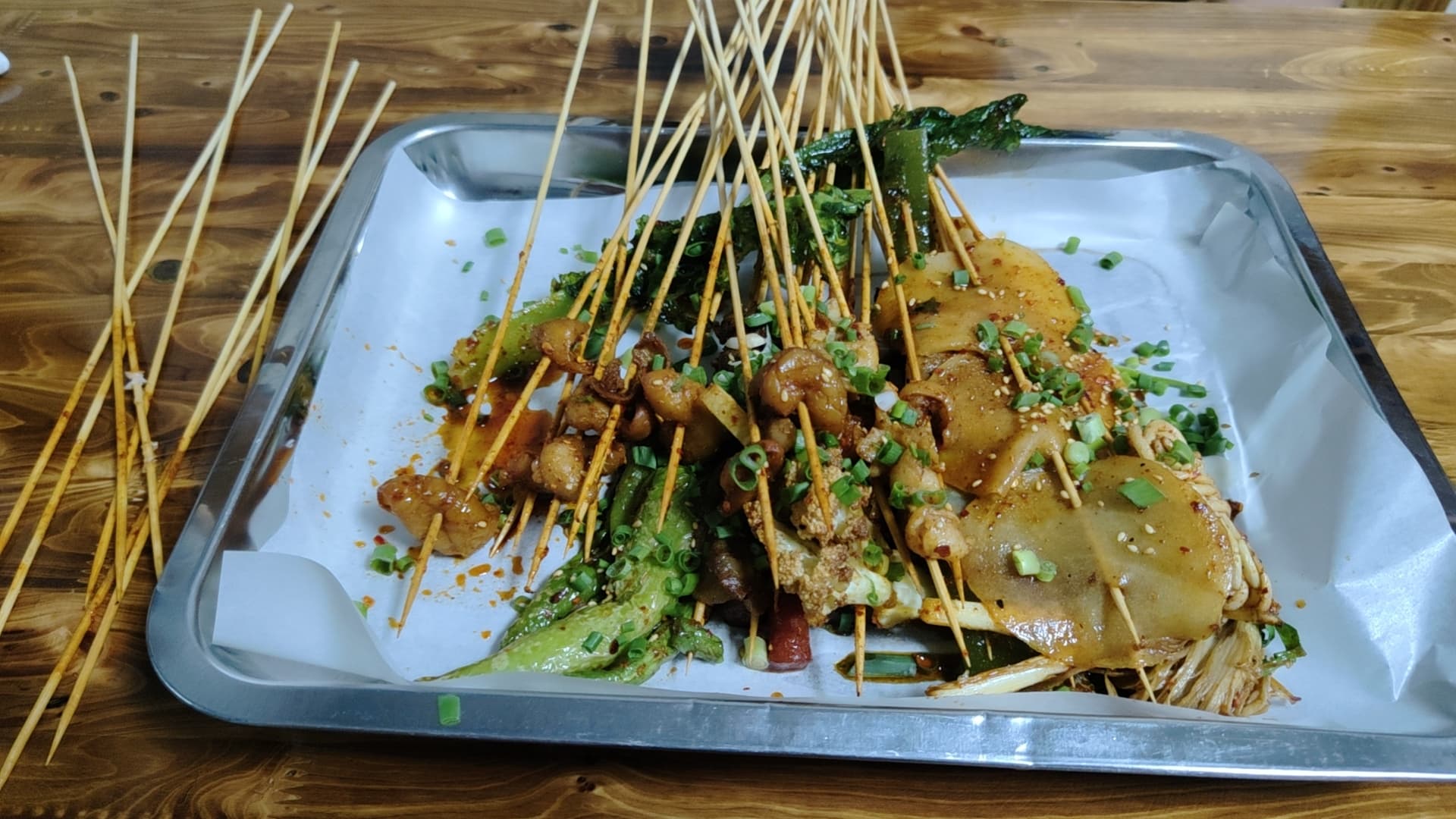
Vegetarian barbecue halloumi, mushrooms and vegetables
Halloumi, mushrooms and firm vegetables can be the whole barbecue, not a sad side. Give them two zones, oil, salt and the same attention you would give a chop.
Jess Nguyen · 6 April 2026
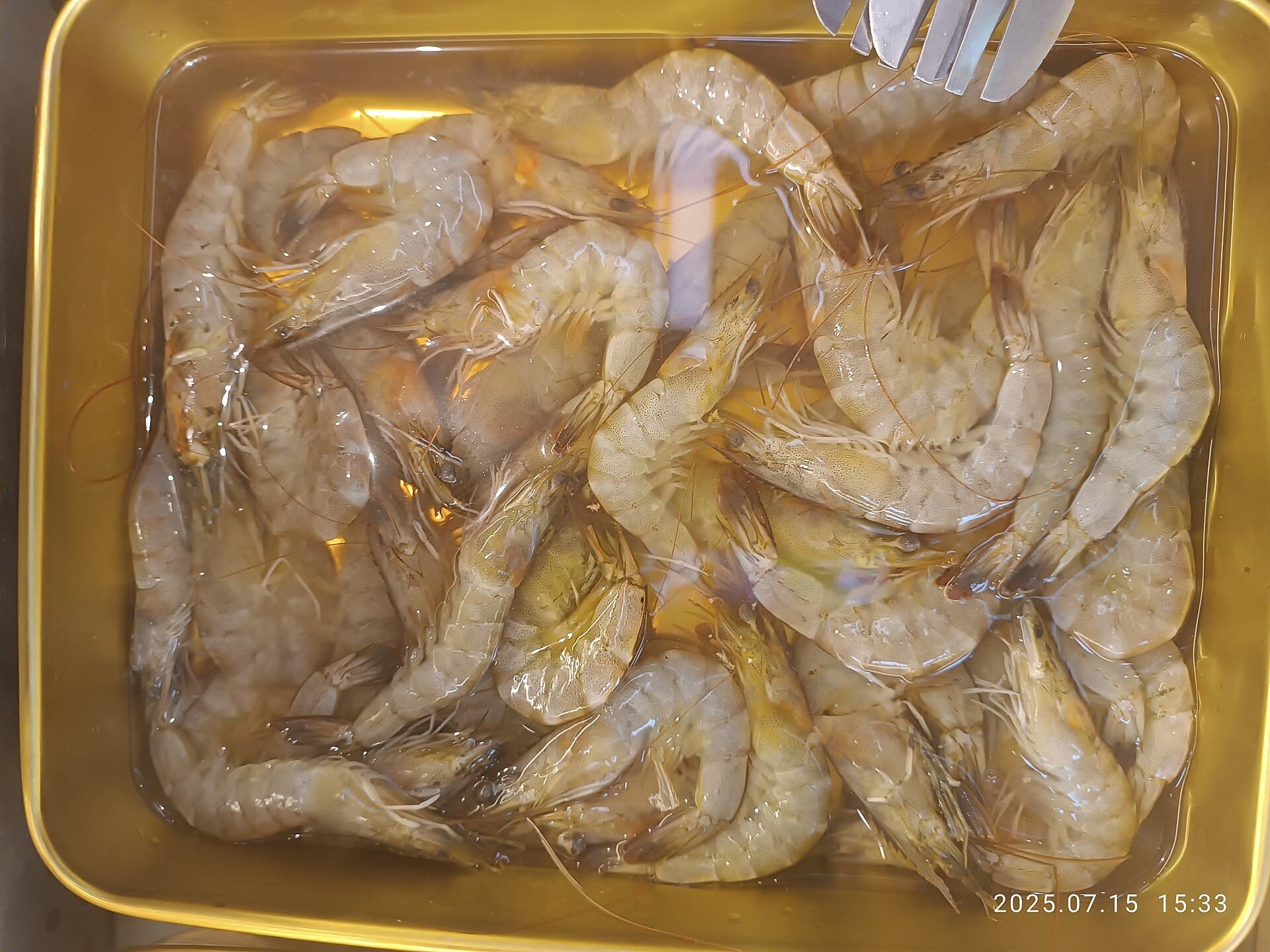
Seafood barbecue prawns, barramundi and bugs
Prawns, barramundi and bugs like a clean hot grate, a little oil and a short cook. Buy them cold, dry them, and take them off the fire as soon as they turn opaque.
Jess Nguyen · 22 January 2026
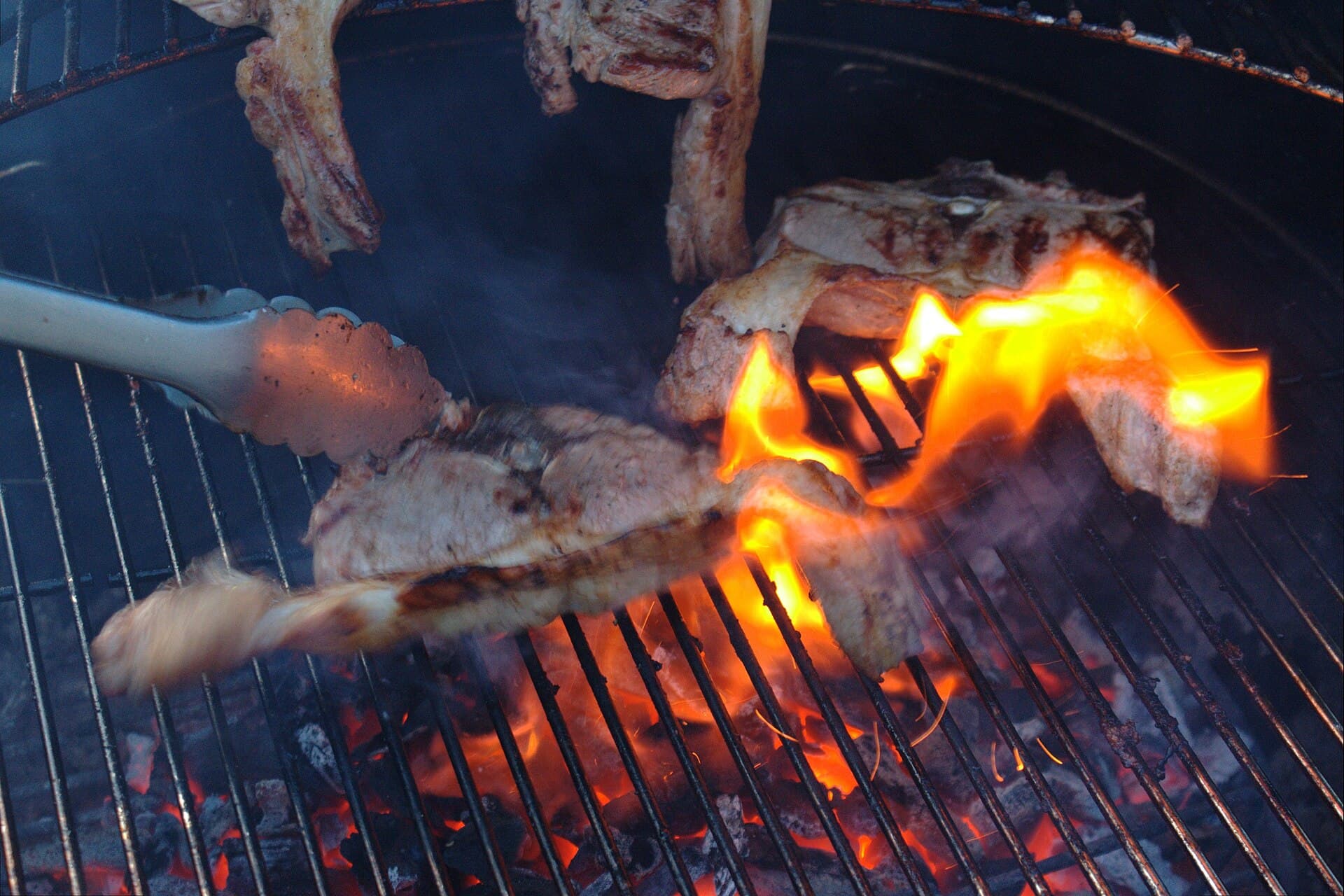
Australia Day lamb on the grill
Lamb chops for the impatient, a butterflied leg for the table, and salads that survive January. Light early, watch the fire bans, and do not cook through the worst of a heatwave.
Jess Nguyen · 12 January 2026