Built-in barbecue buying guide for Australia
A built-in barbecue is a wet-area renovation that happens to hold fire. Choose the head, the bench, the gas run and the drainage before anyone pours concrete.
Callum Hartley, Hardware editor · 12 March 2026 · 6 min read · 1,469 words
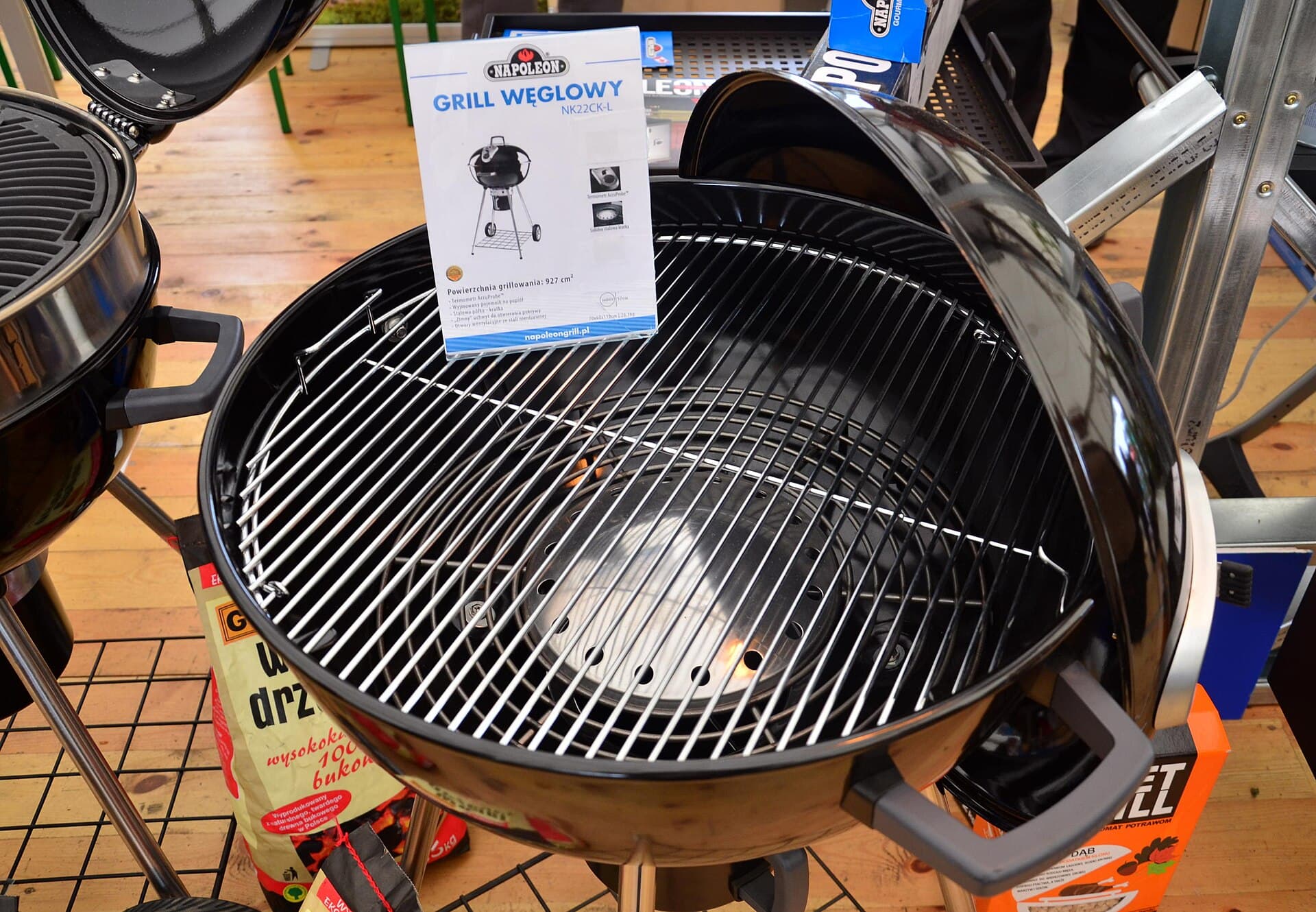
Photo: Built-in outdoor grill by Silar. CC BY-SA 4.0. Source: Wikimedia Commons. See image credits.

A built-in barbecue is not a trolley with the wheels taken off. It is a hole in a bench, a certified gas run, a grease path that has to work for a decade, and a piece of outdoor furniture you will still own when you sell the house.
Australian projects fail on the unglamorous parts: a cut-out that does not match the head, a stone bench with no drip edge, a natural-gas conversion done after the tiler has gone, and a hood that cannot open because the overhead shelf was drawn for looks.
If you are still deciding between a trolley and a built-in, start with how to choose a barbecue grill in Australia. If the project is a whole room, keep planning an Australian outdoor kitchen open beside this page.
Decide the job before the stone
A built-in is right when the cooking spot will not move, the house is yours, and you want the grill to sit in a run of bench with a sink, a fridge and a place to put a tray down.
It is wrong when you rent, when you might extend the house in two years, or when the only level ground is a deck that cannot take masonry weight. A good trolley on a pad is not a failure of taste. It is a machine you can roll under cover in a hailstorm.
Write down the plates you cook on a normal Saturday and on the two or three crowd nights. A four-burner drop-in with a hood covers most households. A six-burner with a side wok burner covers the household that also wants a saucepan station. A teppanyaki plate insert is a different cook: excellent for prawns and vegetables, poor at roasting a chicken unless you also have a hooded grill.
Charcoal and wood inserts exist. They need an ash plan, more clearance to combustibles, and a neighbour conversation about smoke. Compare the fire itself in kamado, kettle and offset smokers before you build a monument to a hobby you have not practised on a free-standing kettle.
The grill head is a specified hole
Buy a head that was designed to be built in. Heatlie, BeefEater, Ziegler & Brown, and several European and American cabinet brands publish cut-out drawings. Those drawings are the start of the joinery, not a hint.
A drop-in sits on a lip. A slide-in fills a cabinet like a kitchen oven. Both need air. Manufacturers specify clearances under the firebox and behind the back panel because burners breathe and because a grease fire has to go somewhere that is not the cavity.
Do not brick in a trolley firebox. The side vents will be wrong, the bottle cupboard will be inaccessible, and the warranty will vanish. If you like a particular trolley cook, buy the matching outdoor-kitchen head or keep the trolley.
Look at the hood travel in the drawing. A lid that needs 70 cm of air will hit the overhead cupboards someone sketched for “balance”. Look at the control panel. Knobs on the front want a shadow line so rain does not sit on them. Knobs on the right want a right-handed cook and a clear landing space.
Lid thermometers on built-ins lie the same way they lie on trolleys. Use a probe. Think in Celsius ranges, not in a single magic number.
Gas is a trade, not a hose
Natural gas is the clean built-in fuel if the house already has it and a licensed gasfitter can run a dedicated outdoor point. The head must be a natural-gas model or a conversion kit the manufacturer supports. Jet sizes are different. You cannot “turn it down a bit” on an LPG burner and call it town gas.
LPG built-ins are common where there is no gas main. The cylinder should live in a ventilated locker that is not under the fire, with a certified hose or a fixed pipe and an isolation tap you can reach without putting your hand through the grease tray. A 9 kg bottle in an unventilated cupboard under the burners is a bad copy of a trolley.
Read natural gas versus LPG before the plumber and the tiler argue on site. The gasfitter’s certificate is part of the job, not a piece of paper you hunt for at sale time.
Electric ignition needs a weatherproof point. If the outdoor kitchen also has a fridge and lights, plan the circuit so a trip does not take out the only torch. Pellet inserts need power and dry storage; they are rarely the first built-in in this climate. See pellet smokers in Australia if that is the fire you actually want.
Bench, stone and the wet
An outdoor bench is a wet-area bench that also sits next to 300 °C. Masonry with a stone or sintered top is the durable pattern. Stainless cabinets are the lighter pattern and the one that survives a coastal salt wind if the grade is right and you rinse it.
Leave a drip edge. Fat and rain will find the join between the head and the stone. A poorly sealed cut-out becomes a smell and then a rust line inside the cabinet. Use the manufacturer’s gasket or a detail the fabricator has done before.
Timber benchtops next to a grill look like a magazine. They also scorch, swell and grow a dark ring where the tongs sit. If you want timber, keep it away from the head and accept that it is furniture, not a cutting board you leave out in February.
Drainage is not optional. The pad should fall away from the house. The cabinet floor should not be a pond. The grease tray should pull toward the cook, not toward the wall cavity. A built-in that is hard to clean will become a grease fire.
Coastal jobs need marine-grade fasteners and a habit of washing salt off the lid. Tropical jobs need a cover and a plan for the wet season; see storing a barbecue through the wet season. Southern winter jobs need a hood that holds heat, which is the same physics as hood versus open grill.
Wind, extraction and the neighbour
A rangehood over an outdoor grill is often theatre. In a breeze it extracts the garden. In still air it may take some smoke. It does not replace a hood on the grill itself.
Site the bench so the prevailing wind does not blow the flame out the front of an open grill. A partial wall or a return in the cabinetry can shelter the fire without boxing it in. Do not enclose a gas barbecue so tightly that unburnt gas can pool.
Smoke is a neighbour issue even when the by-law is silent. Charcoal and wood inserts will test friendships in a terrace. Gas is quieter. If you live in strata or a tight townhouse, read balcony and apartment barbecue rules before you pour. A ground-floor courtyard is still someone else’s clothesline.
Overhead structures need clearance. A pergola beam above a hood is a grease and heat problem. A solid roof needs to be a designed outdoor room, not a tarp that melts.
Budget the whole run
The grill head is rarely the expensive part. Stone, cabinets, gas, electrical, a sink, and the extra weeks of a wet-area builder are the rest. A mid-class head in a well-built bench will cook better in five years than a premium head in a cavity that rusts.
Ask about spare burners, igniters and grease trays. A built-in you cannot service is a built-in you will demolish. Brands with Australian parts desks — BeefEater, Heatlie, the better hardware lines — are easier to live with than an imported orphan.
Do not invent a price. Get a gasfitter quote and a cabinet quote before you fall for a head on special. If the quotes only work if you skip ventilation or skip the drip tray access, the project is not cheaper. It is unfinished.
Pour the pad after the gas point is marked, not before. Moving a certified line through set concrete is how outdoor kitchens go sour.
A build sequence that saves the tiler
- Confirm fuel, head model and cut-out drawing.
- Have the gasfitter mark the point, the isolation tap and the locker.
- Build the carcass with the clearances in the manual, not the ones that look even.
- Trial-fit the head before the stone is glued.
- Connect, certify, then seal the join.
- Season the grates. How to season a new barbecue still applies when the machine cost as much as a kitchen oven.
Then cook something ordinary. Snags and a salad will tell you if the grease path works and if the wind has a new favourite corner. Save the Australia Day lamb for the weekend after you have emptied the tray twice.
Questions readers ask
- Do I need a licensed gasfitter for a built-in barbecue?
- Yes, if the machine is natural gas, and usually yes if you are running a fixed LPG line from a cylinder locker. A bayonet point and a certified hose are not a DIY weekend job.
- Can I drop a trolley grill into a masonry bench?
- Not if it was designed as a free-standing trolley. Heat, clearance and the grease path are different. Buy a drop-in or slide-in head with a published cut-out size.
- What bench material survives an Australian outdoor kitchen?
- Masonry, properly detailed stainless, and some sintered stone handle heat and wet. Untreated timber next to a grill head becomes a maintenance project and then a fire project.
- Should I build in charcoal or gas?
- Gas is the usual built-in because the fire is contained and the certification path is clearer. A charcoal or wood insert needs ash handling, more clearance, and a harder conversation with the certifier.
Keep reading
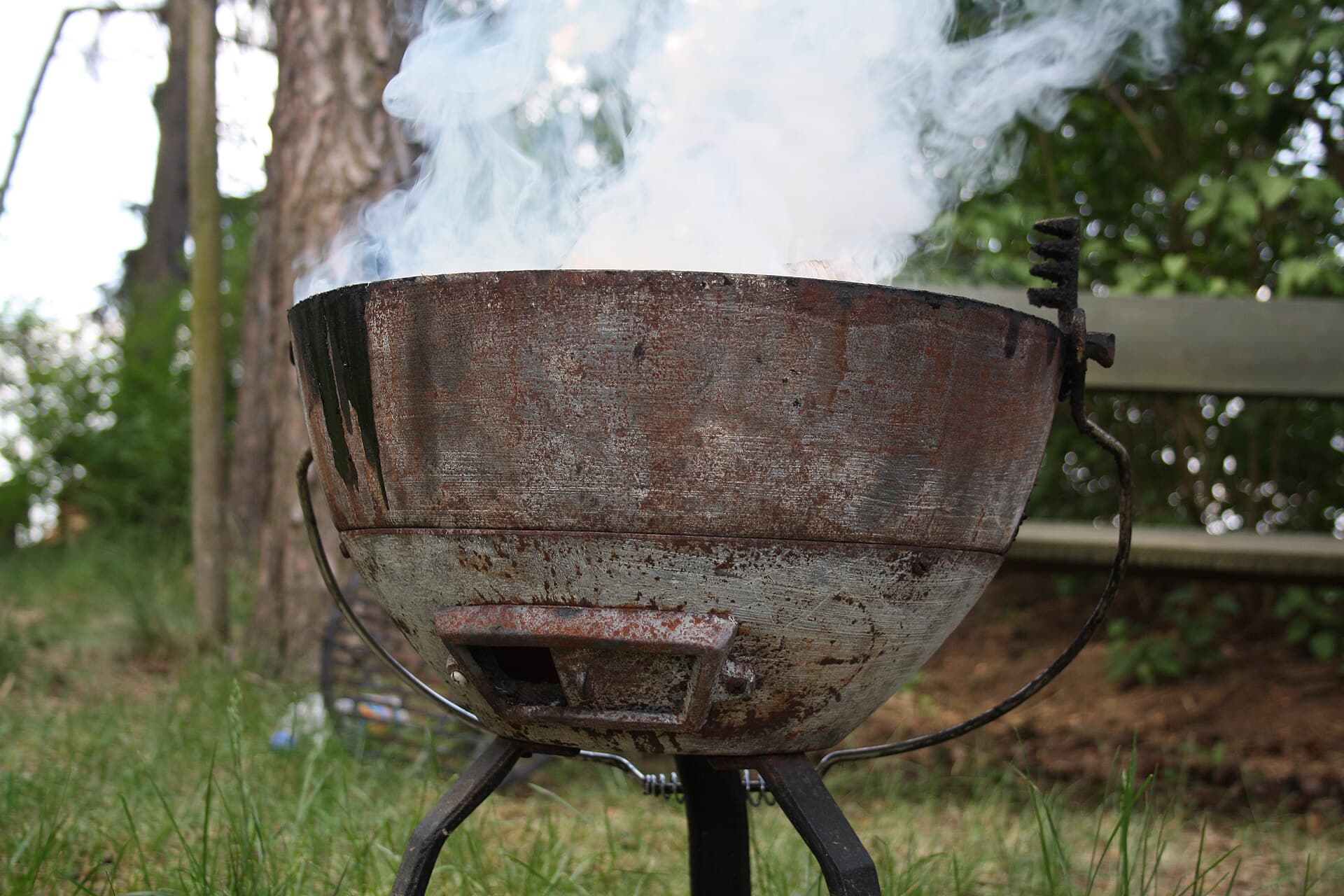
Kamado, kettle and offset smokers compared
Three charcoal and wood machines, three different fires. How ceramic kamados, kettle barbecues and offset smokers behave in an Australian backyard — heat, capacity, wind and the learning curve.
Callum Hartley · 22 March 2026
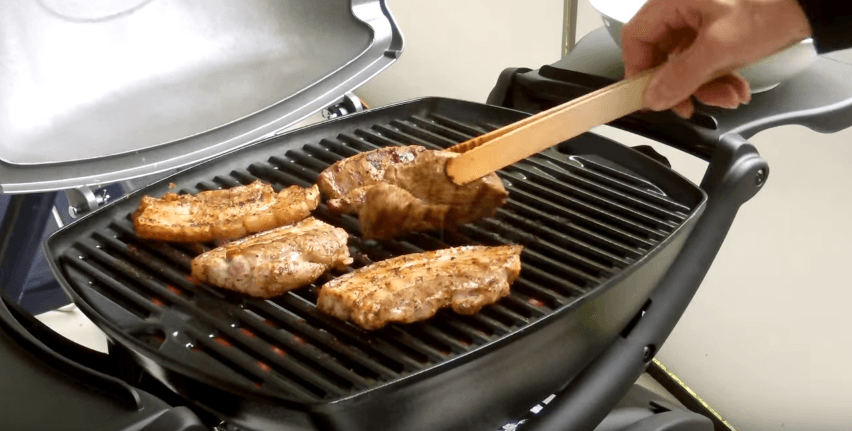
Portable barbecues for camping and caravanning
How to choose a camping or caravan barbecue that survives Australian parks, bottle rules, wind and a boot full of other gear — without buying a patio trolley by mistake.
Tom Bellear · 2 March 2026
Weber Q, Family Q and Spirit buying guide
How portable Q-class, Family Q and Spirit-style trolley barbecues actually behave in Australian backyards — bottles, side tables, roasting and the limits of a compact hood.
Callum Hartley · 18 February 2026