How to choose a barbecue grill in Australia
Match household size, fuel, wind and strata rules to a grill class before you spend. A decision path for LPG, natural gas, charcoal, pellet, portable and built-in machines.
Callum Hartley, Hardware editor · 10 February 2026 · 7 min read · 1,594 words
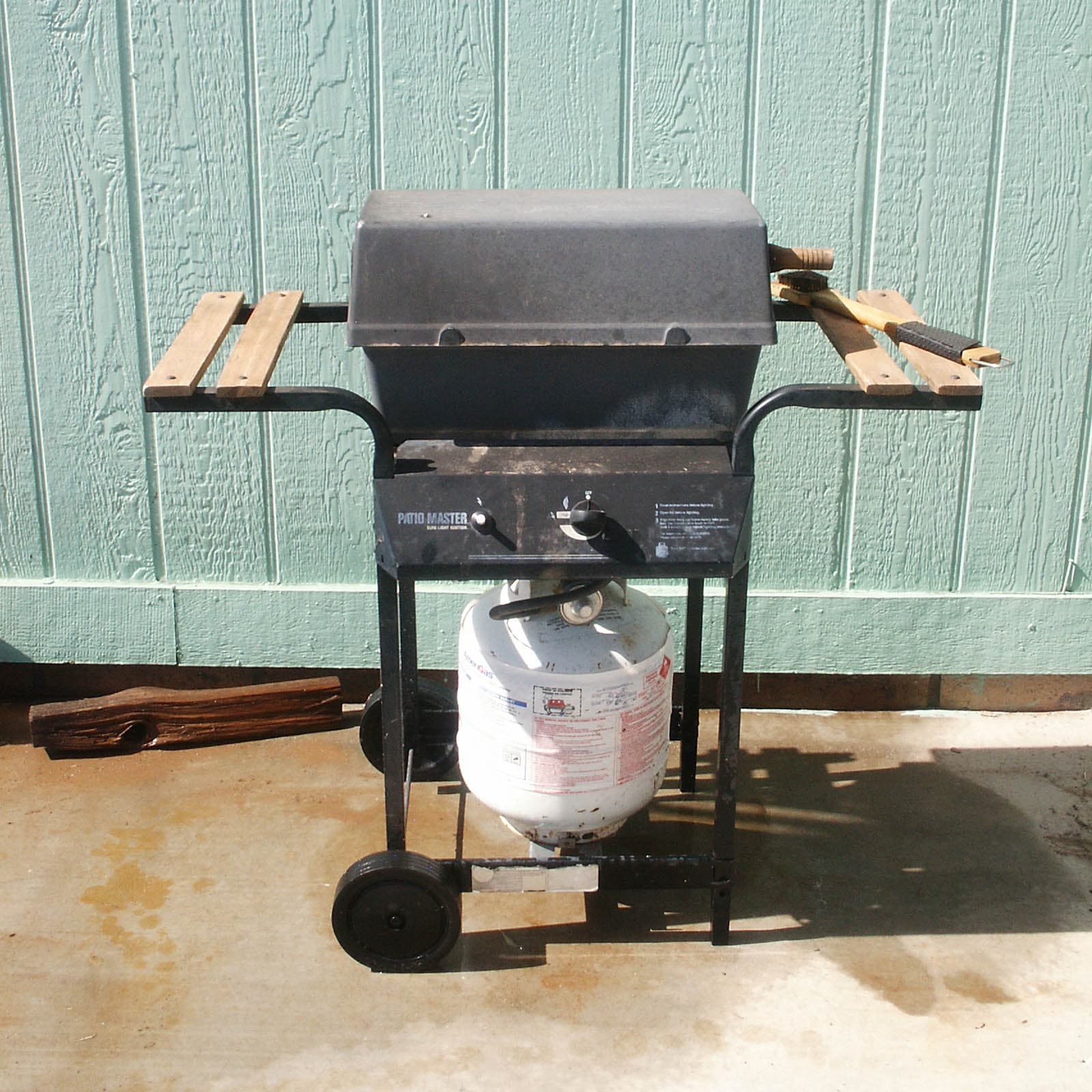
Photo: Propane gas barbecue by Owen Kelly. CC BY 3.0. Source: Wikimedia Commons. See image credits.

A barbecue in Australia is an outdoor appliance first and a cooking toy second. It lives in salt air, a southerly, a Brisbane storm and a January that can make the lid too hot to touch. The right machine still lights, holds a zone of heat, and fits the people you actually feed.
Start with household size, then fuel, then the yard. Brand comes last. Use this masthead path to pick a class, then the narrower buying guides.
Household size is a grate problem
Count plates, not people on the electoral roll. A couple who grill twice a week need less grate than a household of four that hosts every other Sunday.
Two burners, or a compact hooded portable, will cook four steaks if you work in batches. The limit is staging: once the first lot is done you need a warm area, or the early plates go cold.
Four burners is the Australian family default. Run two on a weeknight and four when the cousins arrive. A side burner is useful for onions; it is not a reason to buy a six-burner you will never fill. Six burners start to make sense when you regularly feed ten or more. That machine needs a pad, a cover, and a place the hose will not trip anyone.
Charcoal and pellet cookers are sized by grate diameter or chamber length. A 57 cm kettle will roast a chicken. It will not plate twenty steaks. An offset with a long chamber will, after you have learned to run a fire for hours.
Buy for the night you cook most often, then decide whether the rare crowd night is worth a second, smaller grill.
If you host a few times a year, a portable plus the main trolley is often saner than one giant hood. See how to host a backyard barbecue for a crowd.
LPG, natural gas, charcoal and pellets
Fuel decides where the grill can live and who may connect it.
LPG is the Australian default. A 9 kg bottle, a regulator, and a hose you can inspect. You can move the machine and swap a spare at the servo. Heat is immediate. Bottles still run out mid-cook if you do not weigh them, and a cheap regulator in coastal air does not last.
Natural gas is a house service. A licensed gasfitter runs a line to a certified outdoor point and converts or supplies the burner set. You cannot unhook it and roll it across the yard. You do get a flame that does not depend on a bottle. Read natural gas versus LPG before anyone drills a benchtop.
Charcoal — lump or heat beads — is a fire you manage. Flavour is real. So is ash, lighting time, and the apartment buildings that will not let you light it. How to light and control a charcoal grill is the skill piece; this page is only the buying fork.
Pellets sit between gas convenience and wood flavour. They need electricity, a dry hopper, and a supply you can actually buy in your town. They are more likely to be restricted on a total fire ban than a gas trolley. Pellet smokers in Australia covers humidity, power and bans.
Electric plates exist where flame is banned. Treat them as a constraint purchase, not a flavour choice.
Portable, trolley and built-in
Shape is about how you live in the yard, not how a showroom looks.
A portable — the compact hooded class that includes Weber Q-style machines and Gasmate campers — lives on a table, a folding stand, or a caravan step. It is the right first grill for a rental, a courtyard and a touring setup. It is the wrong only grill if you roast every Sunday for six. Compare classes in the Weber Q, Family Q and Spirit buying guide, then portable barbecues for camping and caravanning.
A trolley with a hood, side tables and a bottle cupboard is the suburban workhorse. Look at lid thickness, the hood seal, whether the side tables fold without cracking, and whether you can get the bottle out without tipping the frame. Cast-iron or enamelled grates hold heat. Thin stamped steel does not, especially in wind.
A built-in is a renovation: a drop-in head, a bench that can take heat and wet, certified gas, and drainage that works. You cannot take it when you sell. Do not buy it to fix a bad patio. See built-in barbecue buying in Australia and, if the project is a whole room, planning an Australian outdoor kitchen.
Kamados, kettles and offsets are different charcoal machines. A ceramic kamado holds heat for hours. A kettle is the cheapest way into two-zone cooking. An offset is a firebox and a long cook. Compare them in kamado, kettle and offset smokers.
Wind, hoods and the Australian backyard
An open hotplate on a coastal deck is a different appliance from a hooded four-burner in a sheltered courtyard. Wind strips heat off a grate and pushes flame sideways, which is how you scorch one side and undercook the other.
A hood is not a gimmick here. It lets you roast a chicken, hold a pizza stone, and keep a two-zone fire when the southerly arrives. An open grill can still be right for a beer-garden cook or a built-in hotplate you stand over. The argument is in hood versus open grill in Australian wind.
Site the machine out of the prevailing breeze. Leave clearance to fences, eaves and the bottle. A solid wall behind a trolley can bounce heat back; a lattice that funnels wind onto the burners will not.
Coastal yards need stainless fasteners, a cover that sheds water, and a habit of rinsing salt off the lid. Inland heat cooks plastic side-table clips. Tropical wet rusts anything you leave uncovered. See storing a barbecue through the wet season.
Strata, balconies and the days you cannot light up
Apartment buyers fail this step more than any other. A handsome gas trolley is wasted if the by-law bans it.
Many schemes allow an electric barbecue on a balcony and nothing else. Some allow a small gas portable. Almost none allow charcoal on a high-rise balcony: ember and smoke travel. Read balcony and apartment barbecue strata rules before you order.
Houses are not free of rules. Total fire ban days restrict solid fuel in most states and can restrict gas in some districts. A pellet hopper and a wood firebox are more likely to be illegal on those days than a gas burner with a shut-off. Keep bushfire-season barbecue safety next to the cover.
If you rent, check the lease. A trolley on wheels is a courtesy to the next tenant. A built-in is a conversation with the owner, not a weekend surprise.
Budget classes without a price tag
Talk in classes, not catalogue numbers. Prices move; construction does not.
Budget trolley. Thin lid, stamped grates, plastic wheels. Fine for snags for a season if you cover it and clean it. Not a ten-year appliance.
Mid trolley. Heavier lid, better hood seal, enamelled or cast grates, a bottle cupboard, and burners you can replace. This is where most households that cook weekly should spend.
Premium trolley or cabinet. Thicker stainless, better insulation, service parts that still exist in five years. You are paying for heat holding and longevity, not different physics.
Portable class. Weight, bottle size and a stable stand matter more than extra burners you will never light at a campsite.
Charcoal class. A kettle is the entry. A kamado is the insulated step up. An offset is a hobby with a timber bill.
Built-in class. The head is only part of the spend. Bench, stone, gas run, cover and a wash-down for the fat tray are the rest.
Do not invent a score. Lift the lid, look at the burner tubes, and ask whether the grease path leads to a tray you can empty. A machine that is hard to clean will become a grease fire. Read how to clean a gas barbecue as part of the purchase. If the grates are bare metal, season the new barbecue before the first steaks weld themselves down.
A short decision path
Work through these.
Where does it live? Balcony with a flame ban: electric. Rental courtyard: portable or small trolley. Own house with a pad: trolley or built-in. Touring: portable with a stand that locks.
What fuel is legal and available? No gas point and no appetite for a gasfitter: LPG or charcoal. Gas point already certified: natural gas is worth quoting. No outdoor power and a long cook habit: charcoal or wood, not pellets.
How many plates on a normal night? Two, four, or a crowd. Size the grate to the normal night.
Do you roast? If yes, you need a hood that seals and enough thermal mass to hold 180–200 °C without a flare. Open hotplates do not roast a whole chicken.
Is the site windy? Hood first. Then a windbreak that is not a fire hazard. Then a grate material that holds heat.
Will you still own this house in five years? If not, do not pour a built-in.
Once the class is chosen, stop browsing every brand. Pick two machines, compare lid weight, grate material, service parts and the grease path, and buy the one you can clean. Skill — indirect versus direct heat, a reverse-sear steak, a tray of halloumi and vegetables — will matter more than a fifth burner you never light.
Questions readers ask
- How many burners do I need for a family of four?
- A hooded four-burner gas barbecue is the usual family machine if you cook for four and sometimes eight. Two burners will feed four if you cook in batches and keep a warm zone, but a crowd night becomes a queue.
- Should I buy natural gas or LPG?
- Natural gas only makes sense if a licensed gasfitter can run a dedicated line to a fixed outdoor point. Everyone else should stay on a 9 kg LPG bottle and a changeover you can do yourself.
- Can I use a barbecue on an apartment balcony?
- Many strata schemes ban open flame, charcoal and unflued gas on balconies. Read the by-law before you buy, and treat an electric plate as the fallback, not a gas trolley you hope nobody notices.
- Is a cheap hardware-store barbecue a false economy?
- A thin-lid two-burner can cook snags for a season if you cover it and clean it. The false economy is buying a machine that cannot hold heat in wind, then replacing it the next summer.
Keep reading
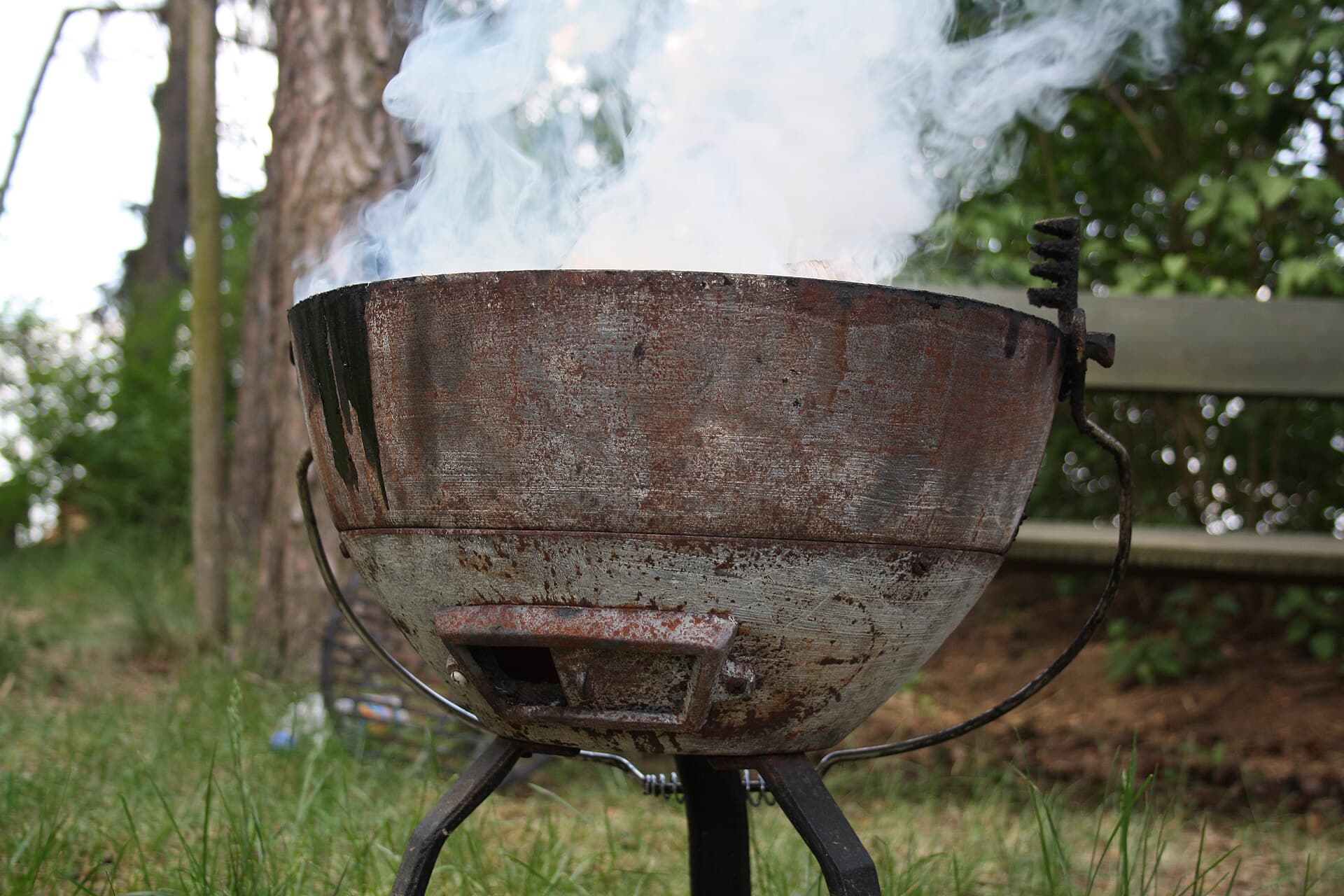
Kamado, kettle and offset smokers compared
Three charcoal and wood machines, three different fires. How ceramic kamados, kettle barbecues and offset smokers behave in an Australian backyard — heat, capacity, wind and the learning curve.
Callum Hartley · 22 March 2026
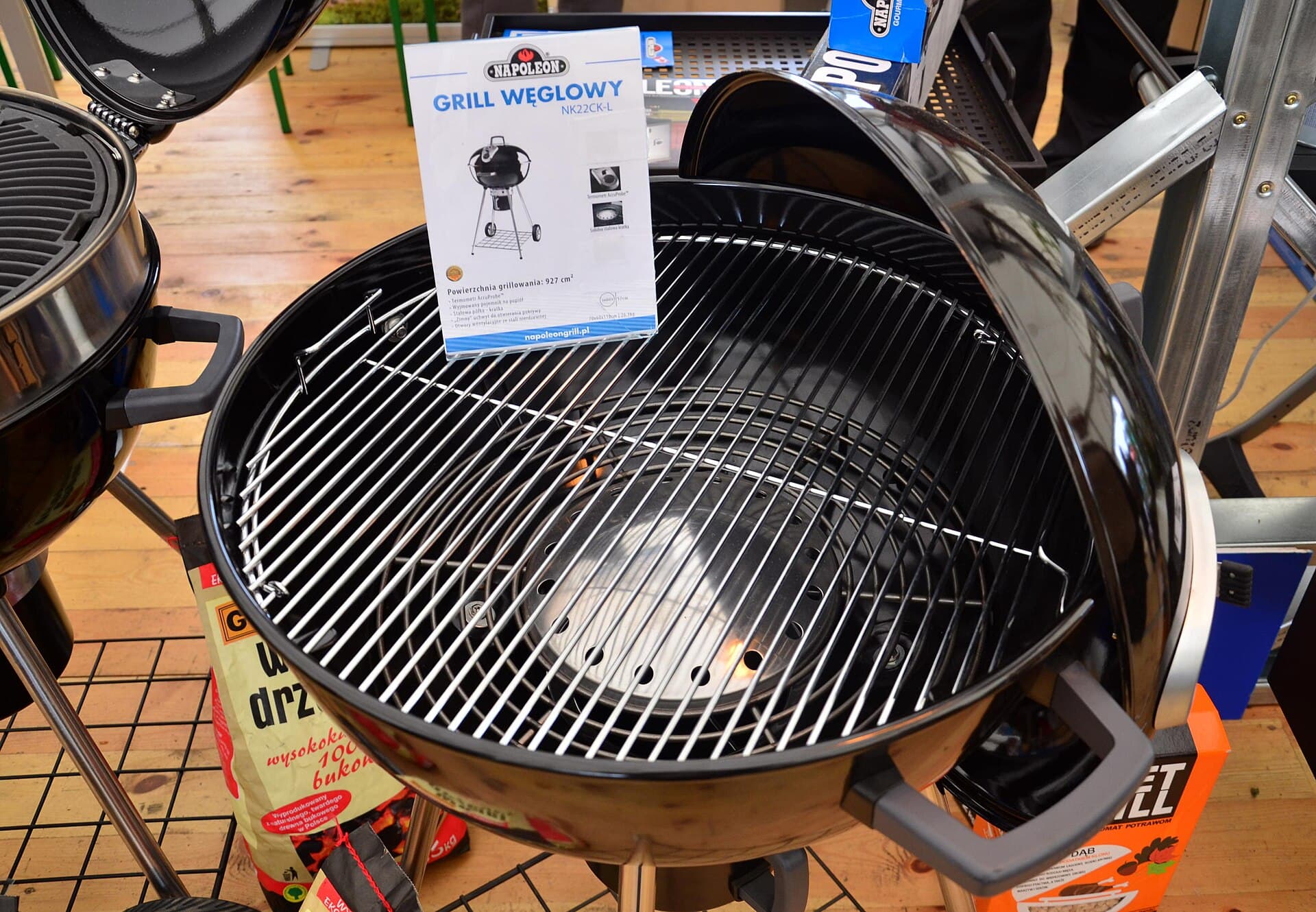
Built-in barbecue buying guide for Australia
A built-in barbecue is a wet-area renovation that happens to hold fire. Choose the head, the bench, the gas run and the drainage before anyone pours concrete.
Callum Hartley · 12 March 2026
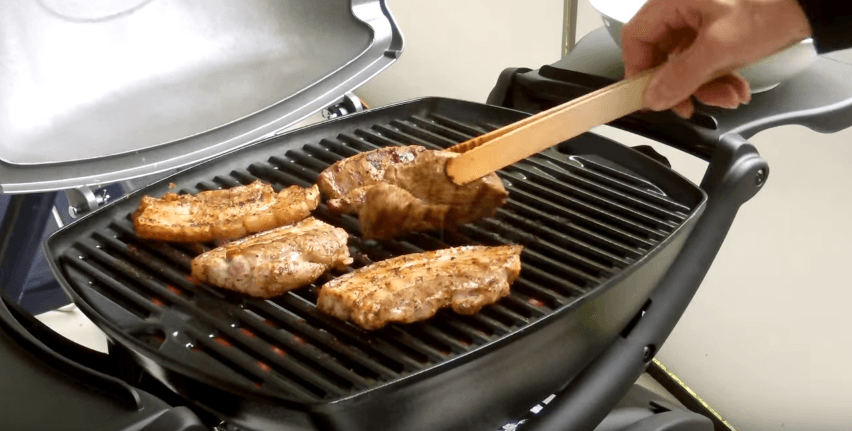
Portable barbecues for camping and caravanning
How to choose a camping or caravan barbecue that survives Australian parks, bottle rules, wind and a boot full of other gear — without buying a patio trolley by mistake.
Tom Bellear · 2 March 2026